Adaptogens Explained: A Field Guide to Choosing the Right One
Adaptogens Explained: A Field Guide to Choosing the Right One. Evidence-led plain-English guide from Vitadefence UK.
By Vitadefence Team

Adaptogens are a fascinating category of botanicals that have been used for centuries in traditional systems of medicine. These natural substances are believed to help the body maintain balance and respond more effectively to various stressors. This guide provides an evidence-led overview of the most researched adaptogens, helping you understand their traditional uses, the science behind them, and how to choose the one that may be right for you. We will explore key options like Ashwagandha, Siberian Ginseng, and Panax Ginseng, always within the framework of authorised health claims and traditional use.
What Are Adaptogens? A Brief Background
The term "adaptogen" was first proposed in the mid-20th century by Soviet scientists studying plants that appeared to increase the body's non-specific resistance to stress. The concept is rooted in the idea that certain herbs can help the body "adapt" to physical, chemical, or biological stressors. While the term is not a recognised medical classification in the EU, it is widely used in the context of traditional herbal remedies.
In the UK and across Europe, many adaptogenic herbs are regulated as traditional herbal medicinal products or food supplements. For a botanical to be classified as an adaptogen in traditional use, it generally meets three criteria: it must be non-toxic, produce a non-specific response to stress, and have a normalising effect on the body. The European Medicines Agency (EMA) has established monographs for many of these plants, outlining their traditional uses and safety profiles. It is important to note that these claims are based on longstanding use, not on modern clinical trials for specific diseases.
The Science Behind Adaptogens: What the Evidence Says
Scientific interest in adaptogens has grown significantly over the past two decades. Research, much of it published in peer-reviewed journals indexed on PubMed, has focused on the potential mechanisms of action. Many adaptogens appear to influence the hypothalamic-pituitary-adrenal (HPA) axis, which is the central stress response system. They may also modulate the release of stress hormones like cortisol and support cellular energy production.
Key Research Areas
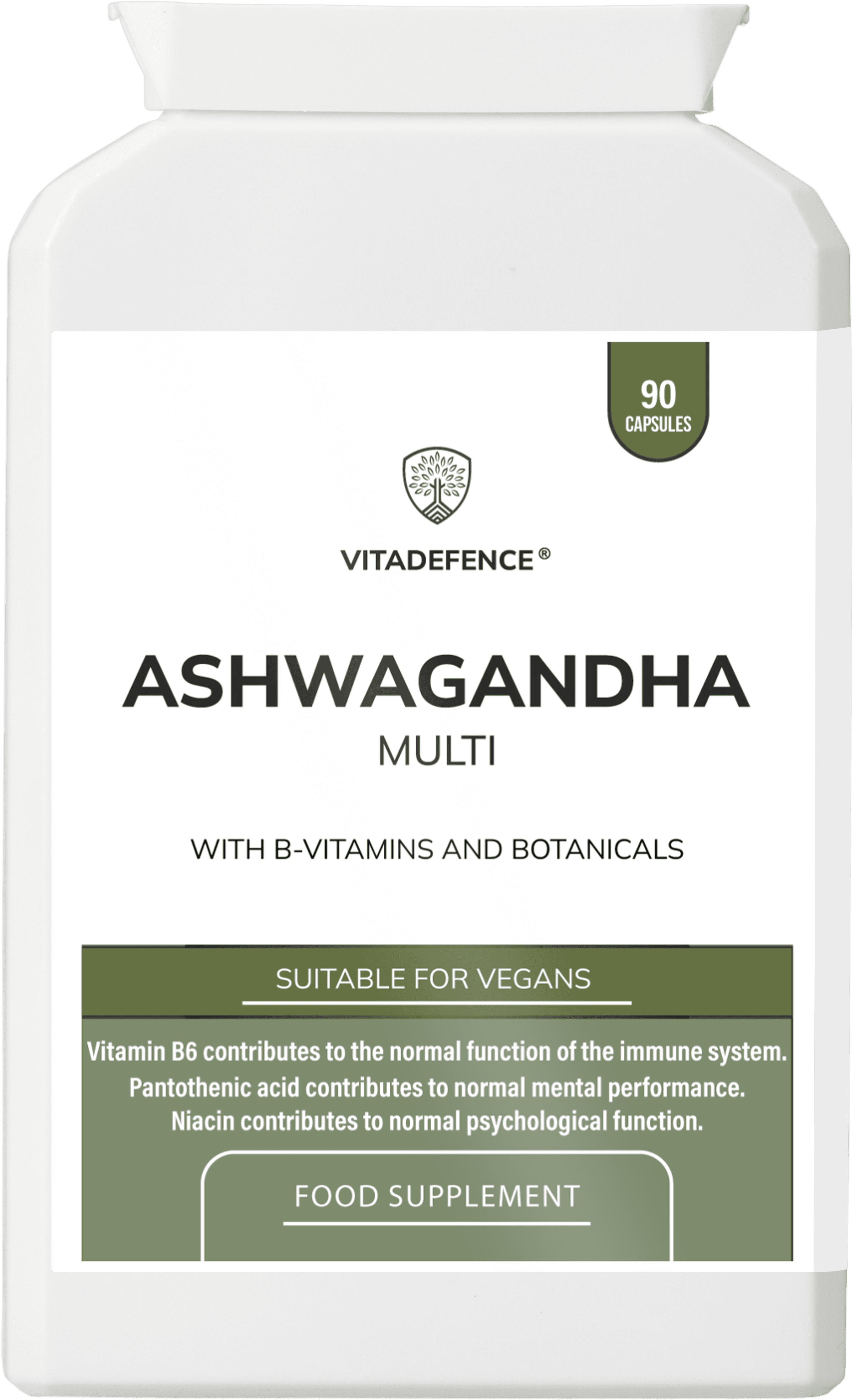
- Ashwagandha (Withania somnifera): Clinical studies have explored its role in supporting the body's response to occasional stress. A 2019 systematic review in *Medicine* (Baltimore) noted that Ashwagandha root extract may be effective in reducing stress and anxiety in adults. The typical dose used in studies ranges from 300 mg to 600 mg of a standardised extract per day. It is traditionally used in Ayurveda to support vitality and overall well-being. You can explore our Ashwagandha Multi for a convenient, high-quality option.
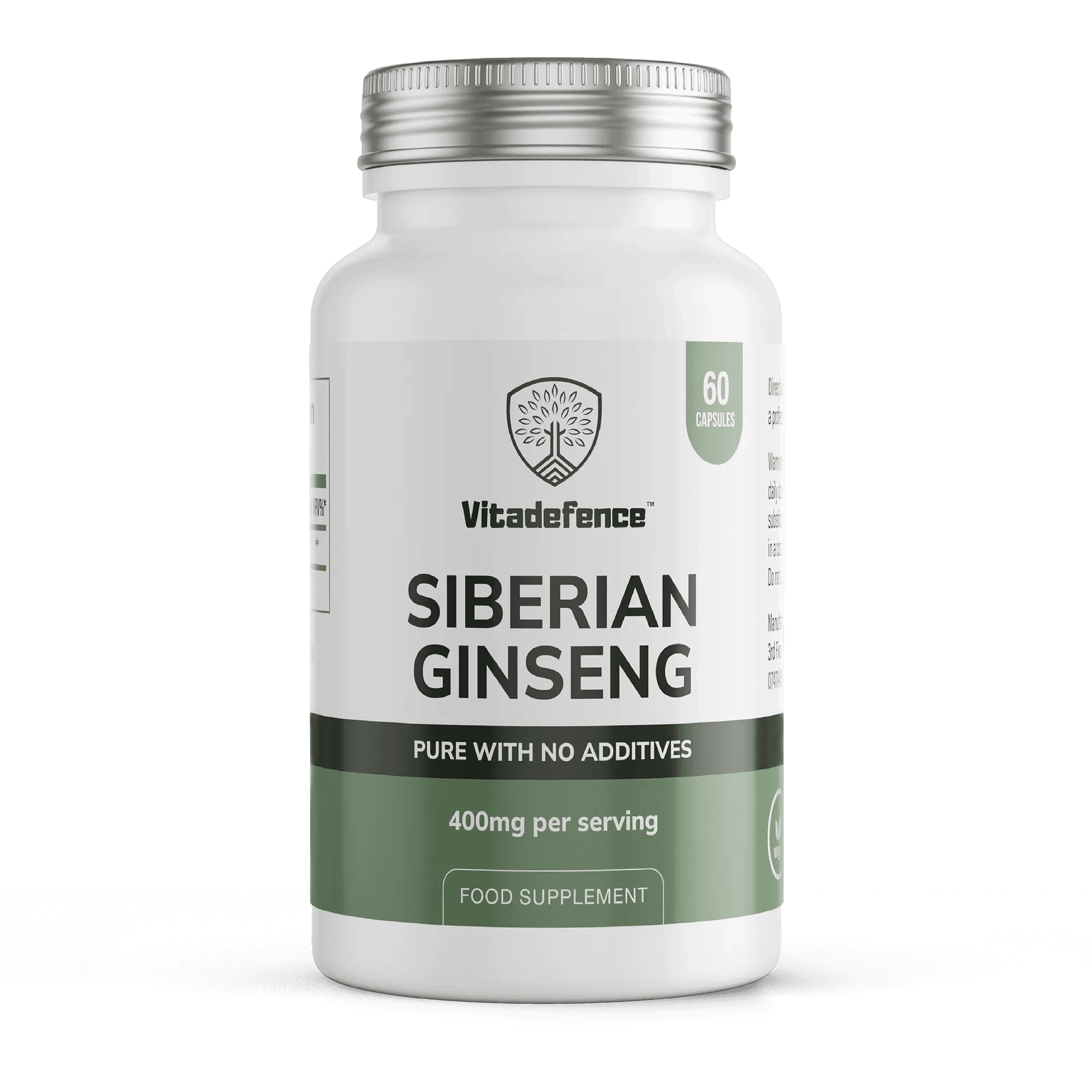
- Siberian Ginseng (Eleutherococcus senticosus): Often called "Eleuthero," this plant has a strong tradition in Russian and Chinese medicine. Research, including a 2014 review in the *Journal of Ethnopharmacology*, suggests it may help improve physical and mental performance under stress. The EMA monograph supports its traditional use for symptoms of asthenia (fatigue). Doses typically range from 2 to 3 grams of the root per day as a tea or 300-400 mg of a standardised extract. Our Siberian Ginseng supplement is a reliable source.
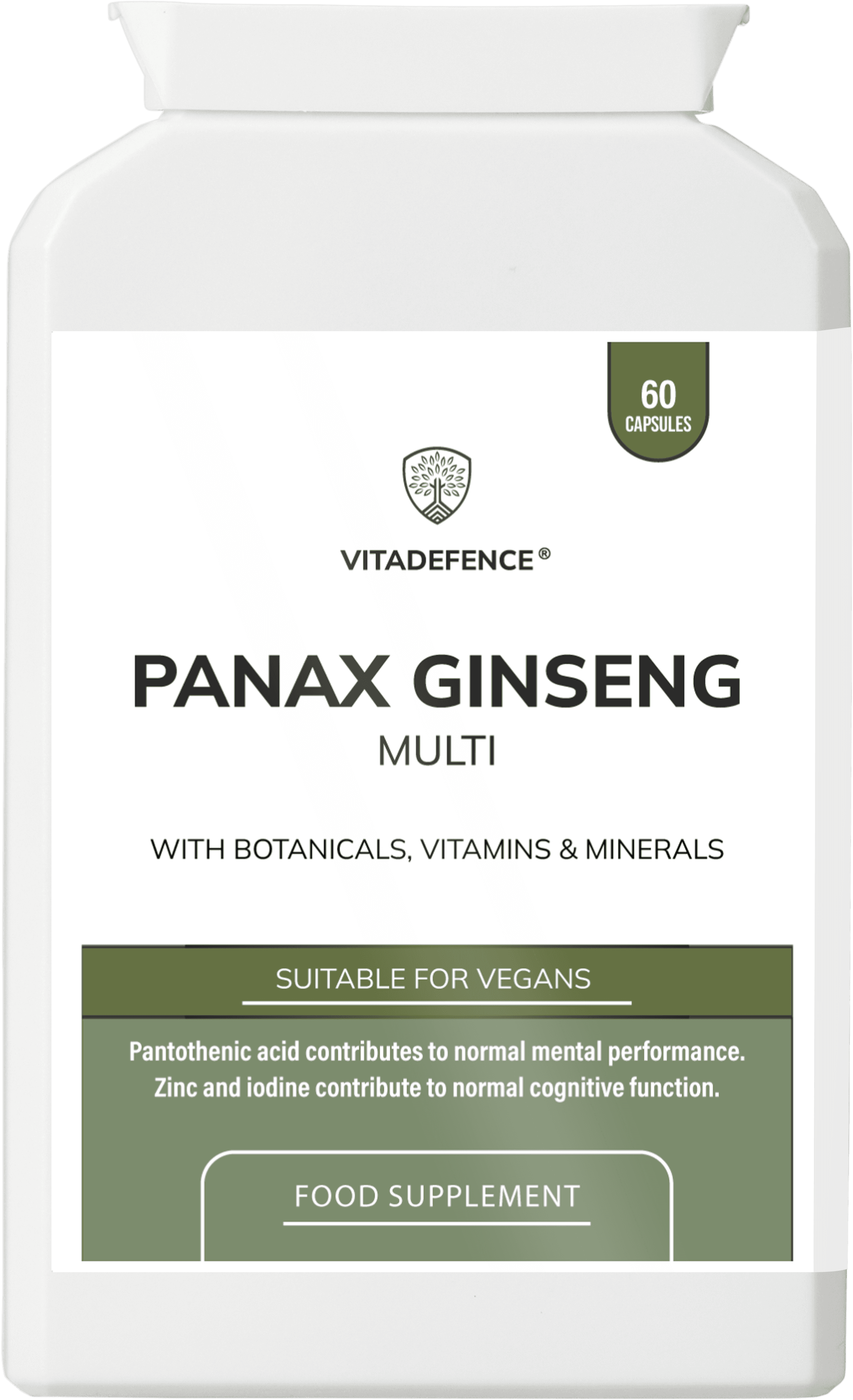
- Panax Ginseng (Panax ginseng): Also known as Asian or Korean Ginseng, this is one of the most studied adaptogens. A 2018 meta-analysis in the *Journal of Ginseng Research* found that it may help improve cognitive function, particularly in the context of mental fatigue. The EMA lists its traditional use for temporary mental and physical fatigue. Standardised extracts providing 2-7% ginsenosides are common, with doses of 200-400 mg per day. For a potent option, consider our Panax Ginseng Multi.
It is crucial to understand that while these studies are promising, they are not definitive. The EU Register of nutrition and health claims does not authorise claims that adaptogens "boost immunity," "cure stress," or "treat anxiety." Instead, the authorised language for these botanicals generally refers to supporting the body's adaptation to stress, maintaining vitality, or helping with temporary fatigue. Always consult a healthcare professional before starting any new supplement regimen.
Practical Guidance: Choosing the Right Adaptogen for You
Selecting the right adaptogen depends on your individual needs and lifestyle. The following guidance is based on traditional use and the available scientific literature. It is not a substitute for professional medical advice.
For General Stress Support and Balance
Consider Ashwagandha. Its traditional use in Ayurveda is for supporting the body's overall resilience to stress. If you experience occasional feelings of being overwhelmed or have trouble winding down, Ashwagandha may be a good starting point. It is often taken in the evening due to its traditionally calming nature. Our Ashwagandha Multi combines this herb with other supportive nutrients.
For Physical and Mental Fatigue
Consider Siberian Ginseng or Panax Ginseng. Siberian Ginseng has a traditional reputation for supporting physical endurance and combating fatigue. It is often used by those who feel run down or mentally drained. Panax Ginseng, on the other hand, is traditionally associated with cognitive function and mental clarity. If you need a boost in focus and energy during a demanding day, Panax Ginseng might be more suitable. You can compare our Siberian Ginseng and Panax Ginseng Multi to see which aligns with your needs.
For Supporting Cognitive Performance
Panax Ginseng has the strongest evidence for cognitive support, particularly in areas like working memory and reaction time. A 2016 study in *Psychopharmacology* found that a single dose of 200 mg of Panax Ginseng improved mental performance in healthy volunteers. For sustained cognitive support during periods of high demand, this is a traditional choice.
Who Should Be Cautious or Avoid Adaptogens?
While adaptogens are generally well-tolerated, they are not suitable for everyone. The following groups should exercise caution or avoid them without professional guidance:
- Pregnant or breastfeeding women: There is insufficient safety data for most adaptogens during pregnancy and lactation. Avoid use unless explicitly advised by a healthcare provider.
- Individuals with autoimmune conditions: Some adaptogens, particularly those in the ginseng family, may stimulate the immune system. This could theoretically exacerbate autoimmune diseases like rheumatoid arthritis or lupus.
- People on prescription medications: Adaptogens can interact with certain drugs. For example, Panax Ginseng may affect blood pressure medication or anticoagulants (blood thinners). Always check with a doctor or pharmacist.
- Those with hormone-sensitive conditions: Ashwagandha may have mild hormonal effects, so caution is advised for conditions like breast cancer or uterine fibroids.
- Individuals with sleep disorders: While Ashwagandha is calming, Panax Ginseng can be stimulating. Taking it too late in the day may interfere with sleep.
If you have any underlying health conditions or are taking medication, it is essential to consult a qualified healthcare professional before adding any adaptogenic supplement to your routine.
Frequently Asked Questions
1. Can I take adaptogens every day?
Many adaptogens are traditionally used over extended periods, but it is wise to cycle them. For example, take them for 6-8 weeks, then have a 1-2 week break. This can help maintain effectiveness and reduce the risk of tolerance. Always follow the dosage instructions on the product label.
2. Are adaptogens safe for children?
There is limited research on the use of adaptogens in children. They are generally not recommended for individuals under 18 years of age without medical supervision. For healthy children, a balanced diet and good sleep are more appropriate for stress support.
3. How long does it take to feel the effects of an adaptogen?
This varies by individual and the specific adaptogen. Some people may notice subtle changes within a few days, while others may need 2-4 weeks of consistent use. Adaptogens are not fast-acting stimulants; they work gradually to support the body's balance.
4. Can I combine different adaptogens?
Yes, many traditional formulas combine multiple adaptogens. However, it is best to start with one at a time to understand how your body responds. If you are experienced, combining Ashwagandha with Siberian Ginseng is a common approach for both calming and energising effects. Our Ashwagandha Multi is a good standalone option.
5. Do adaptogens have side effects?
Side effects are rare but can include mild digestive upset, headaches, or changes in sleep patterns. Panax Ginseng may cause insomnia in some people if taken late in the day. Always start with the lowest recommended dose to assess tolerance.
6. Are adaptogens regulated in the UK?
Yes, adaptogenic supplements are regulated as food supplements under UK law. They must comply with safety and labelling requirements. Products like those from Vitadefence are manufactured in the UK to high quality standards. For more details, see our shipping and quality information.
How Vitadefence Does It
At Vitadefence UK, we take a rigorous approach to adaptogenic supplements. Every product in our range is made in the United Kingdom in a GMP-certified facility. We source our botanicals from trusted suppliers and use standardised extracts to ensure consistency and potency. Our Ashwagandha, Siberian Ginseng, and Panax Ginseng supplements are formulated based on the traditional use literature and current scientific understanding. We believe in transparency, which is why we provide clear dosage information and avoid overblown claims. Our commitment is to offer high-quality, plant-based supplements that support your well-being as part of a balanced lifestyle. You can read more about our philosophy in our customer reviews and value bundles.
Bottom Line
Adaptogens offer a fascinating and evidence-informed way to support your body's natural ability to handle stress. Whether you are looking for general balance with Ashwagandha, a boost for physical fatigue with Siberian Ginseng, or cognitive support with Panax Ginseng, there is an option that may suit your needs. The key is to choose a high-quality product from a reputable manufacturer and to use it as part of a holistic approach to health that includes good nutrition, sleep, and exercise. For a reliable starting point, explore our Ashwagandha Multi or Panax Ginseng Multi. Remember, supplements are not a substitute for a healthy lifestyle, and it is always advisable to consult a healthcare professional before starting any new regimen.
This article is for educational purposes only and does not constitute medical advice. The information provided is based on traditional use of botanicals and available scientific literature, as permitted under EU Regulation 1924/2006. It is not intended to diagnose, treat, cure, or prevent any disease. Always consult a qualified healthcare professional before starting any new supplement, especially if you are pregnant, nursing, taking medication, or have a medical condition. The EU Register of nutrition and health claims does not authorise claims that these products treat, prevent, or cure any illness. Individual results may vary.
Related products
More from the journal
Spirulina: The Original Superfood — Protein, B12, and Phycocyanin Antioxidant Power
9 min · Ingredients
Siberian Ginseng Benefits: Why This Adaptogen Is Different From Panax Ginseng
7 min · Ingredients