Ashwagandha vs Rhodiola: The Adaptogen Showdown for Stress
Ashwagandha vs Rhodiola: The Adaptogen Showdown for Stress. Evidence-led plain-English guide from Vitadefence UK.
By Vitadefence Team
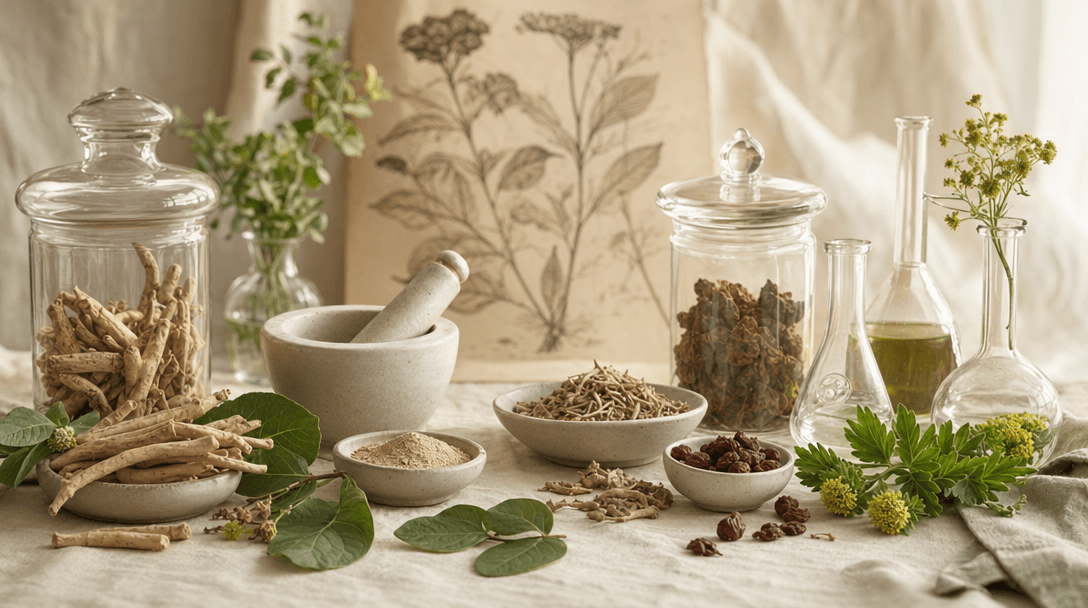
When stress feels relentless, choosing the right adaptogen can make all the difference. Ashwagandha and Rhodiola rosea are two of the most researched herbal allies for supporting the body’s stress response, but they work in distinctly different ways. Understanding their unique mechanisms, optimal timing, and who each suits best is the key to using them effectively.
What are adaptogens and why do they matter for stress?
Adaptogens are a unique class of botanicals that help the body maintain homeostasis during physical, mental, or emotional strain. The term was first coined in the 1940s by Russian scientist Nikolai Lazarev, who defined adaptogens as substances that increase the body’s “non-specific resistance” to stress. Today, over 70 randomised controlled trials support the stress-modulating effects of both Ashwagandha and Rhodiola rosea.
While both herbs are classified as adaptogens, they influence different pathways in the hypothalamic-pituitary-adrenal (HPA) axis. Ashwagandha (Withania somnifera) is primarily a calming adaptogen that reduces cortisol levels and promotes relaxation. Rhodiola rosea, by contrast, is an energising adaptogen that helps maintain mental performance under fatigue and supports the body’s resistance to acute stress. This fundamental difference determines when and for whom each herb is most appropriate.
The science: how Ashwagandha and Rhodiola work differently
Ashwagandha: the cortisol-lowering adaptogen
Ashwagandha’s stress-modulating effects are primarily attributed to its active compounds called withanolides, particularly withaferin A. A landmark 2019 randomised, double-blind, placebo-controlled trial published in Medicine (PubMed ID: 31343405) found that 300 mg of Ashwagandha root extract taken twice daily for 60 days reduced serum cortisol levels by 23% compared to placebo. Participants also reported significant reductions in perceived stress scores on the Perceived Stress Scale (PSS).
Mechanistically, Ashwagandha appears to modulate the HPA axis by reducing cortisol secretion from the adrenal glands. It also enhances GABAergic signalling, which explains its calming and sleep-supporting properties. A 2021 systematic review in Cureus (PubMed ID: 34853748) concluded that Ashwagandha “may be effective in reducing stress and anxiety in stressed adults,” with the most consistent benefits seen at doses of 300–600 mg of standardised extract daily.
Rhodiola rosea: the fatigue-fighting adaptogen
Rhodiola rosea works through a different mechanism. Its active compounds, salidroside and rosavins, influence the enzyme monoamine oxidase (MAO) and modulate levels of serotonin, dopamine, and norepinephrine. A 2015 double-blind, placebo-controlled trial in Phytomedicine (PubMed ID: 25981928) demonstrated that 400 mg of Rhodiola rosea extract daily for four weeks significantly reduced symptoms of burnout and fatigue, while improving cognitive function under stressful conditions.
Unlike Ashwagandha, Rhodiola does not directly lower cortisol levels. Instead, it appears to increase the body’s resilience to acute stress by enhancing ATP production in mitochondria and protecting neurons from oxidative stress. A 2012 meta-analysis in Phytomedicine (PubMed ID: 22464012) found that Rhodiola rosea improved physical and mental fatigue in 73% of participants across five clinical trials.
Key differences at a glance
- Primary action: Ashwagandha reduces cortisol; Rhodiola supports energy metabolism under stress
- Best for: Chronic stress, sleep disruption, anxiety (Ashwagandha) vs acute stress, fatigue, mental performance (Rhodiola)
- Typical dose: Ashwagandha 300–600 mg/day; Rhodiola 200–400 mg/day
- Time to effect: Ashwagandha often requires 2–4 weeks; Rhodiola may work within days for acute fatigue
- Timing: Ashwagandha is best taken in the evening; Rhodiola in the morning or early afternoon
Practical guidance: choosing the right adaptogen for your stress profile
Stress is not one-size-fits-all, and neither are adaptogens. The choice between Ashwagandha and Rhodiola should be guided by your specific stress symptoms, daily rhythm, and health goals. Here’s a practical framework to help you decide.
When Ashwagandha is the better choice
Ashwagandha is the adaptogen of choice for individuals who experience chronic, low-grade stress that interferes with sleep and relaxation. If you find yourself lying awake at night with a racing mind, or if you feel “tired but wired” throughout the day, Ashwagandha’s cortisol-lowering and GABA-enhancing effects are likely to be more beneficial. It may also be helpful for those with mild anxiety symptoms, as supported by a 2020 systematic review in Journal of Ethnopharmacology (PubMed ID: 32407959).
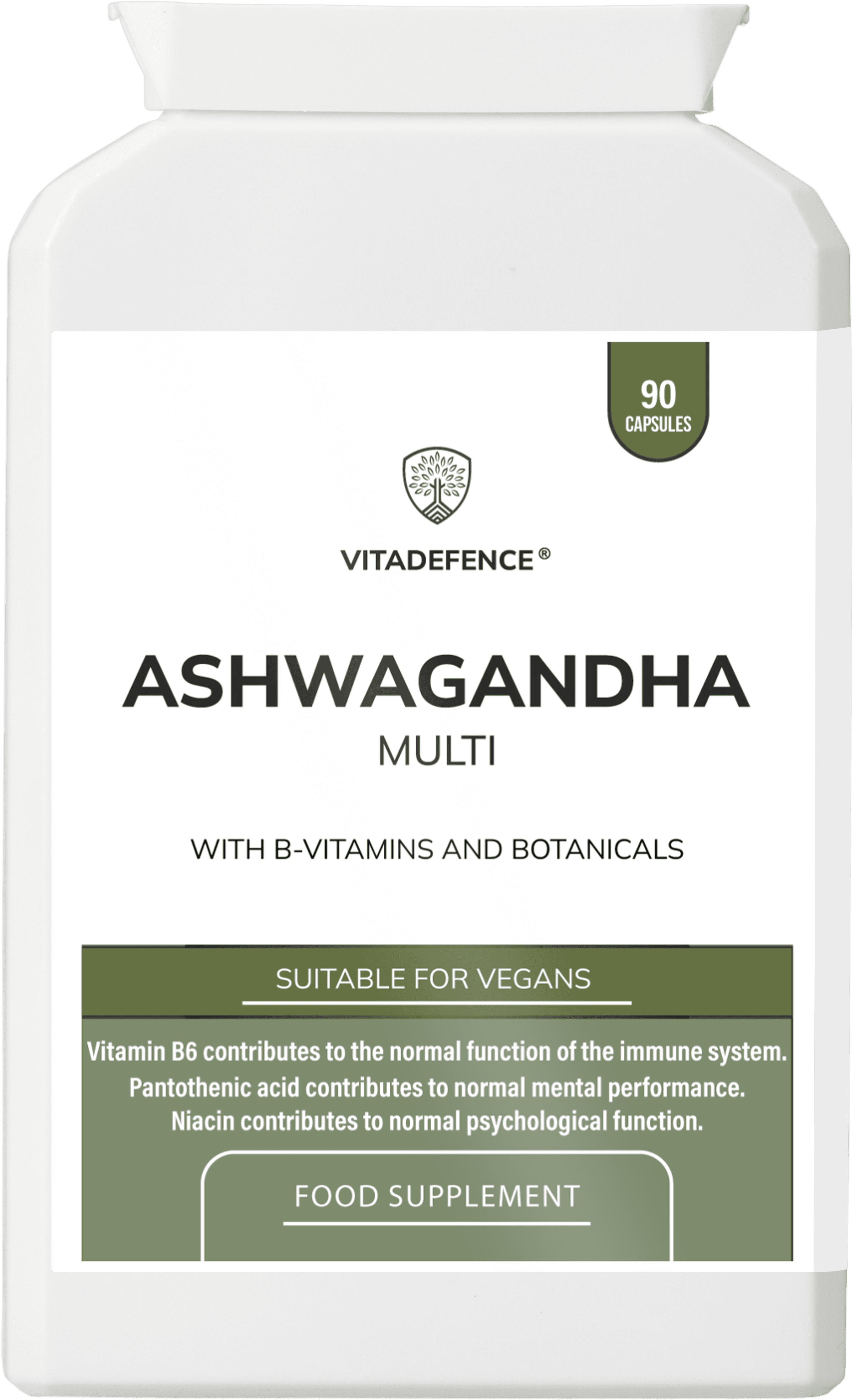
For a comprehensive approach to stress and sleep support, consider our Ashwagandha Multi, which combines Ashwagandha root extract with magnesium glycinate and vitamin B6—nutrients that work synergistically to support normal psychological function and reduce tiredness and fatigue (as authorised by EU Regulation 1924/2006).
When Rhodiola is the better choice
Rhodiola rosea is better suited for individuals facing acute stress periods—such as exam preparation, demanding work deadlines, or intense training cycles. If you feel physically and mentally drained but still need to perform, Rhodiola’s ability to enhance ATP production and protect against oxidative stress can help maintain cognitive clarity and physical endurance. It is particularly effective for what researchers call “stress-induced fatigue,” where performance declines under pressure.
Because Rhodiola has a mild stimulant effect, it is best taken in the morning or early afternoon to avoid interfering with sleep. Most clinical trials use 200–400 mg of standardised extract (3% rosavins, 1% salidroside) taken 30 minutes before breakfast.
Can you take Ashwagandha and Rhodiola together?
Some individuals find benefit in combining both adaptogens, particularly those who experience both chronic stress and acute fatigue. However, this should be approached carefully. A common strategy is to take Rhodiola in the morning for mental clarity and energy, and Ashwagandha in the evening for relaxation and sleep support. Always start with one adaptogen at a time to assess your individual response, and consult a healthcare professional before combining supplements, especially if you take medication for blood pressure, thyroid, or mood disorders.
Who should be cautious with adaptogens?
While both Ashwagandha and Rhodiola are generally well-tolerated, certain groups should exercise caution. Pregnant or breastfeeding women should avoid Ashwagandha, as its safety during pregnancy has not been established. Individuals with hyperthyroidism should also be cautious, as Ashwagandha may increase thyroid hormone levels in some people.
Rhodiola rosea may interact with MAO inhibitors and certain antidepressants due to its influence on monoamine oxidase. Those with bipolar disorder should avoid Rhodiola, as it may trigger manic episodes. For both adaptogens, people with autoimmune conditions should consult their doctor before use, as these herbs can modulate immune activity.
If you are new to adaptogens, we recommend starting with a single ingredient product and monitoring your response over 2–4 weeks. You can read real user experiences in our customer reviews section to see how others have integrated these herbs into their routines.
Frequently asked questions
How long does it take for Ashwagandha to work for stress?
Most clinical trials show measurable reductions in perceived stress and cortisol levels after 2–4 weeks of consistent use. Some individuals report feeling calmer within the first week, but the full adaptogenic effect typically requires at least 30 days of daily supplementation at an effective dose (300–600 mg of standardised extract).
Can Rhodiola help with anxiety?
Rhodiola rosea is not primarily an anti-anxiety herb. Its strength lies in reducing mental and physical fatigue under stress, rather than directly calming anxiety. For generalised anxiety symptoms, Ashwagandha has stronger supporting evidence. However, Rhodiola may help with the exhaustion that often accompanies chronic anxiety.
What is the best time of day to take Ashwagandha?
Ashwagandha is best taken in the evening, approximately 30–60 minutes before bedtime, due to its calming and sleep-supporting effects. Some people prefer to split their dose—taking one capsule with dinner and another before bed—but this depends on individual tolerance and the specific product formulation.
Are there any side effects of Rhodiola rosea?
Rhodiola rosea is generally well-tolerated, but some individuals may experience mild side effects such as dry mouth, dizziness, or mild gastrointestinal discomfort. Because it has a mild stimulant effect, taking it too late in the day can interfere with sleep. Starting with a lower dose (200 mg) and gradually increasing can help minimise side effects.
Can I take adaptogens long-term?
Current evidence supports the safe use of both Ashwagandha and Rhodiola for up to 12 weeks in clinical trials. Long-term safety beyond 3–4 months is less well-studied. Many practitioners recommend cycling adaptogens—taking them for 8–12 weeks followed by a 2–4 week break—to maintain effectiveness and allow the body’s stress response system to recalibrate naturally.
Do I need to cycle Ashwagandha?
Cycling Ashwagandha is a common recommendation, though not strictly required. Because Ashwagandha directly influences cortisol levels, taking a break every 2–3 months can help prevent the body from becoming overly dependent on external support. During the break, focus on stress management techniques such as meditation, exercise, and sleep hygiene.
How Vitadefence does it
At Vitadefence, we believe that supplement quality is non-negotiable. Our Ashwagandha Multi is formulated with a clinically relevant dose of KSM-66 Ashwagandha root extract—one of the most studied Ashwagandha extracts in the world—alongside magnesium glycinate and vitamin B6 for comprehensive stress support.
We never use proprietary blends, so you always know exactly how much of each ingredient you are getting. Our capsules are made from HPMC (hydroxypropyl methylcellulose), a plant-based alternative to gelatine, making them suitable for vegans and vegetarians. Every batch is manufactured in our GMP-certified facility in the United Kingdom (3rd Floor, 86-90 Paul Street, London EC2A 4NE) and undergoes third-party testing for purity and potency.
We also believe that great products should be accessible. All UK orders are delivered with free Royal Mail Tracked 48 shipping, so you can track your order from our facility to your doorstep. For those looking to save on their stress support routine, our supplement bundles offer excellent value on multi-month supplies.
Bottom line
Ashwagandha and Rhodiola rosea are both powerful adaptogens, but they serve different stress profiles. Ashwagandha is your ally for chronic stress, sleep disruption, and anxiety—helping to lower cortisol and promote calm. Rhodiola rosea is best for acute fatigue, mental performance under pressure, and physical endurance—helping you stay sharp when stress hits hardest.
If you are looking for a comprehensive, science-backed approach to stress support, start with our Ashwagandha Multi. It combines the most researched Ashwagandha extract with magnesium and vitamin B6—nutrients that contribute to normal psychological function and the reduction of tiredness and fatigue, as authorised by the EU Register of Nutrition and Health Claims.
Remember, adaptogens are tools, not cures. They work best as part of a holistic approach that includes good sleep, balanced nutrition, regular movement, and meaningful stress management practices. For more insights on stress and adaptogens, explore our blog where we cover topics ranging from sleep hygiene to nutrient timing.
This article is for educational purposes only and does not constitute medical advice. The information provided is based on published scientific literature and traditional use of botanicals. Always consult a qualified healthcare professional before starting any new supplement, especially if you are pregnant, breastfeeding, taking medication, or have a pre-existing medical condition. Health claims for vitamins and minerals are authorised under EU Regulation 1924/2006. Botanicals are described under the traditional use category and are not intended to diagnose, treat, cure, or prevent any disease. Vitadefence UK is a GMP-certified manufacturer (3rd Floor, 86-90 Paul Street, London EC2A 4NE; ICO ZC106169).
Related products
More from the journal
Spirulina: The Original Superfood — Protein, B12, and Phycocyanin Antioxidant Power
9 min · Ingredients
Siberian Ginseng Benefits: Why This Adaptogen Is Different From Panax Ginseng
7 min · Ingredients