Best Supplements for Energy and Fatigue: A 2026 Evidence Review
Best Supplements for Energy and Fatigue: A 2026 Evidence Review. Evidence-led plain-English guide from Vitadefence UK.
By Vitadefence Team

Feeling drained by mid-afternoon or struggling to shake persistent tiredness is one of the most common health complaints in the UK. While a good night's sleep and a balanced diet are foundational, many people turn to supplements for an extra edge. This 2026 evidence review cuts through the noise, examining which botanicals and nutrients actually have scientific backing for energy and fatigue, and how to choose them wisely.
The Energy Crisis: What's Really Going On?
Before reaching for a supplement, it's worth understanding why you might feel fatigued. Energy production in the body is a complex biological process involving mitochondria (the powerhouses of your cells), nutrient cofactors, and the adrenal system. Chronic stress, poor sleep, and nutrient-poor diets can all impair this machinery. According to the NHS, common causes of fatigue include iron deficiency, thyroid issues, and low vitamin B12. However, for many people, the issue is less about a clinical deficiency and more about suboptimal intake of key nutrients that support energy metabolism.
This is where targeted supplementation can help—not as a magic bullet, but as a strategic tool to support your body's natural energy pathways. The European Food Safety Authority (EFSA) has authorised several health claims for vitamins and minerals related to energy, and certain botanicals have a traditional use for tiredness and vitality.
The Science: What Actually Works for Energy and Fatigue?
The supplement market is flooded with "energy boosters," but only a handful have consistent evidence behind them. Here’s what the science says about the most promising options for 2026.
B Vitamins: The Metabolic Spark Plugs
B vitamins are arguably the most important nutrient group for energy. They act as coenzymes in the metabolic processes that convert food into usable energy (ATP). Specifically, vitamin B6, B12, and folate are essential for red blood cell formation and homocysteine metabolism. EFSA has authorised the claim that "Vitamin B6 contributes to normal energy-yielding metabolism." A deficiency in any of these can lead to fatigue and low energy. Clinical doses typically range from 1.4 mg (B6) to 2.4 mcg (B12) daily, though higher doses are sometimes used under professional guidance.
For a comprehensive approach, look for a supplement that provides a full B-complex, as these nutrients work synergistically. Many users find that a B-complex taken in the morning helps sustain energy levels throughout the day without the crash associated with caffeine.
Panax Ginseng: The Adaptogenic Energiser
Panax ginseng (also known as Korean or Asian ginseng) is one of the most studied adaptogenic herbs for fatigue. A 2023 meta-analysis published in PubMed found that Panax ginseng significantly improved fatigue scores compared to placebo in both healthy adults and those with chronic fatigue. The active compounds, ginsenosides, are thought to modulate the hypothalamic-pituitary-adrenal (HPA) axis, helping the body adapt to physical and mental stress.
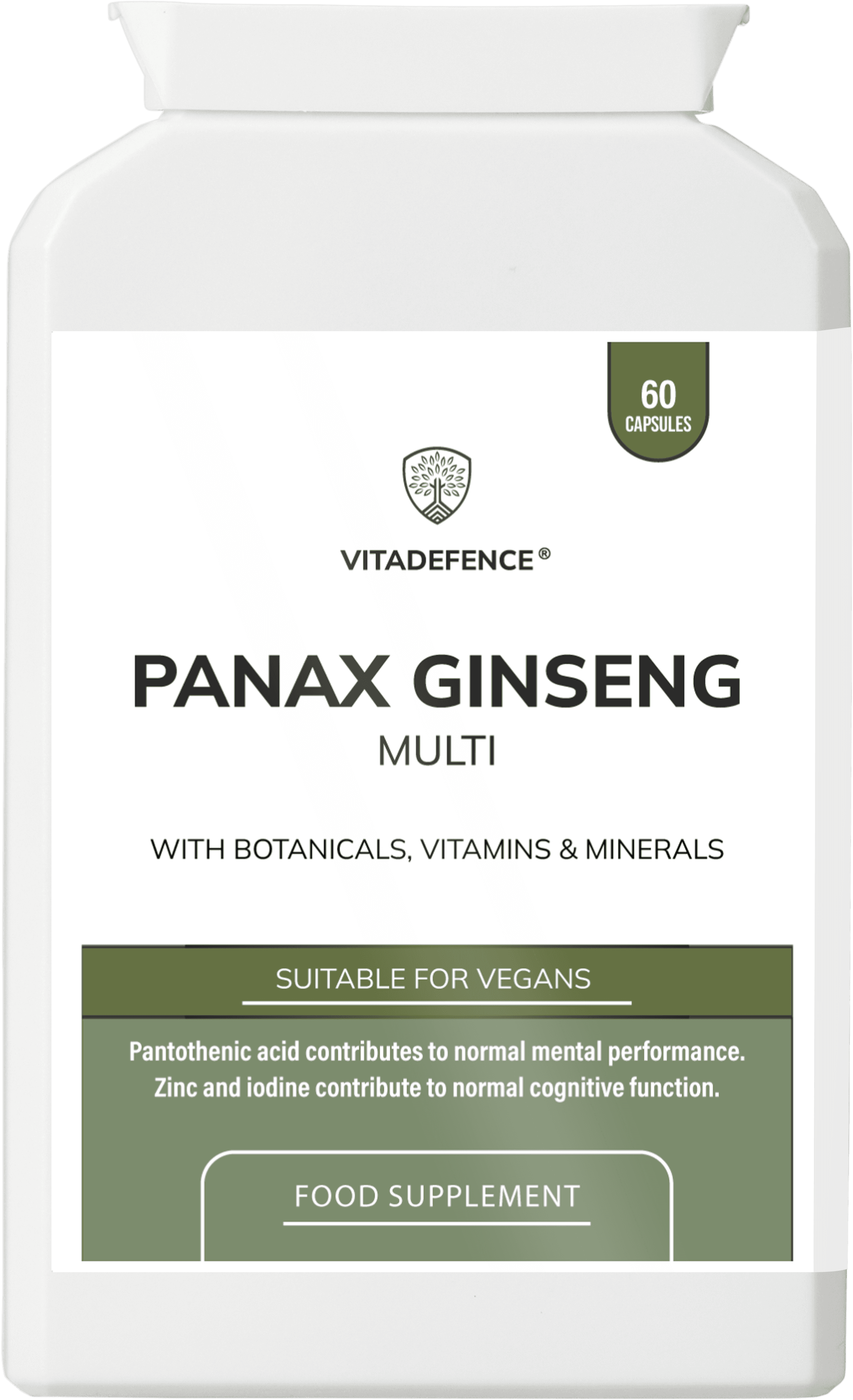
For energy support, standardised extracts containing 4-7% ginsenosides are typically used at doses of 200-400 mg per day. It's important to note that Panax ginseng is considered a stimulant and should be taken in the morning to avoid interfering with sleep. You can explore our Panax Ginseng Multi supplement, which combines this adaptogen with other supportive nutrients.
Siberian Ginseng (Eleuthero): A Gentler Alternative
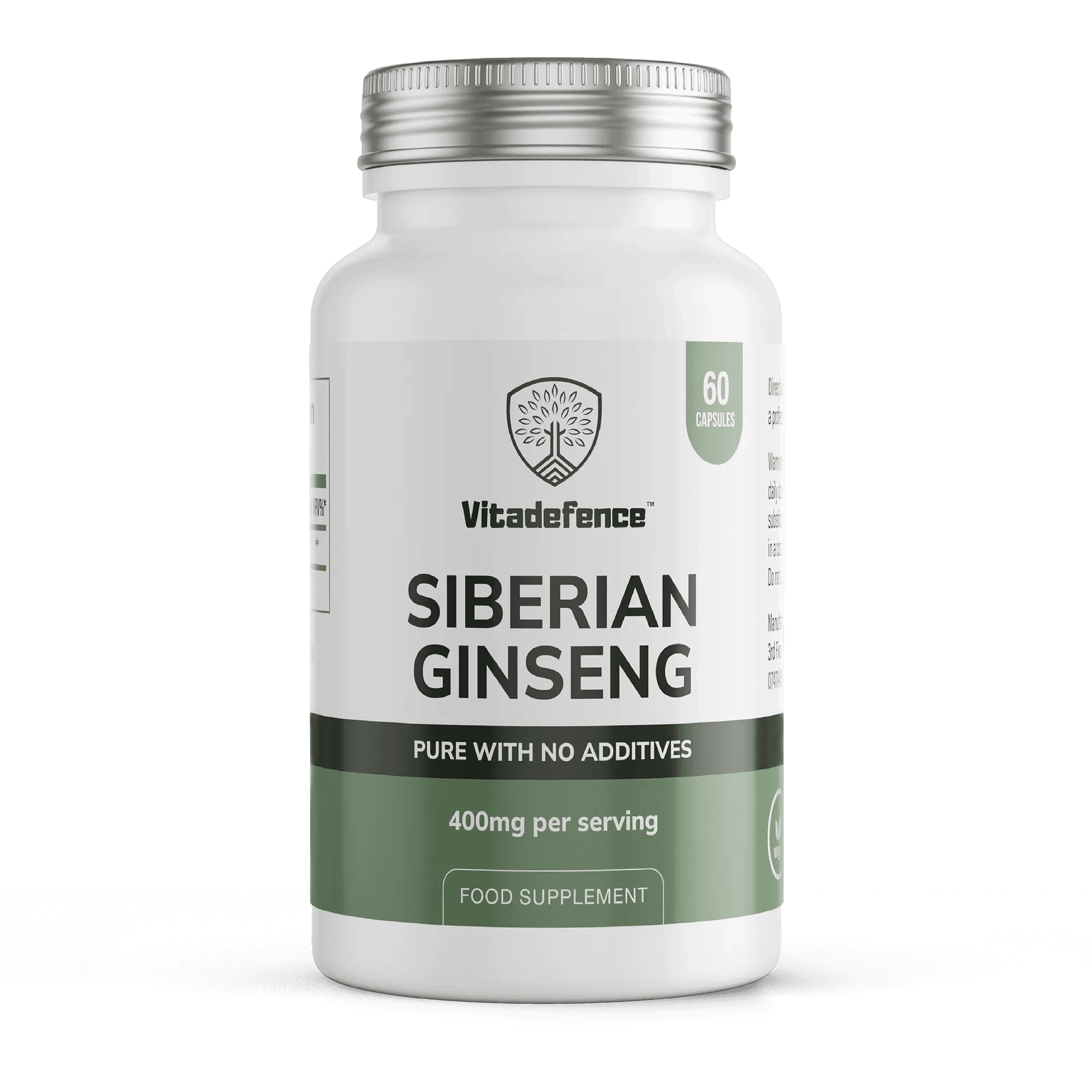
Often confused with Panax ginseng, Siberian ginseng (Eleutherococcus senticosus) is a different botanical with a similar adaptogenic profile. It has a traditional use for supporting physical performance and reducing fatigue. Unlike Panax, Siberian ginseng is generally considered milder and less stimulating, making it a good option for those who are sensitive to strong stimulants.
Research suggests Eleuthero can improve endurance and reduce perceived exertion during physical activity. It works by supporting the adrenal glands and improving oxygen utilisation. A standard dose is 300-600 mg per day of a standardised extract. Our Siberian Ginseng supplement is a popular choice for those looking for sustained, gentle energy support without the jitters.
Spirulina: Nutrient Density for Cellular Energy
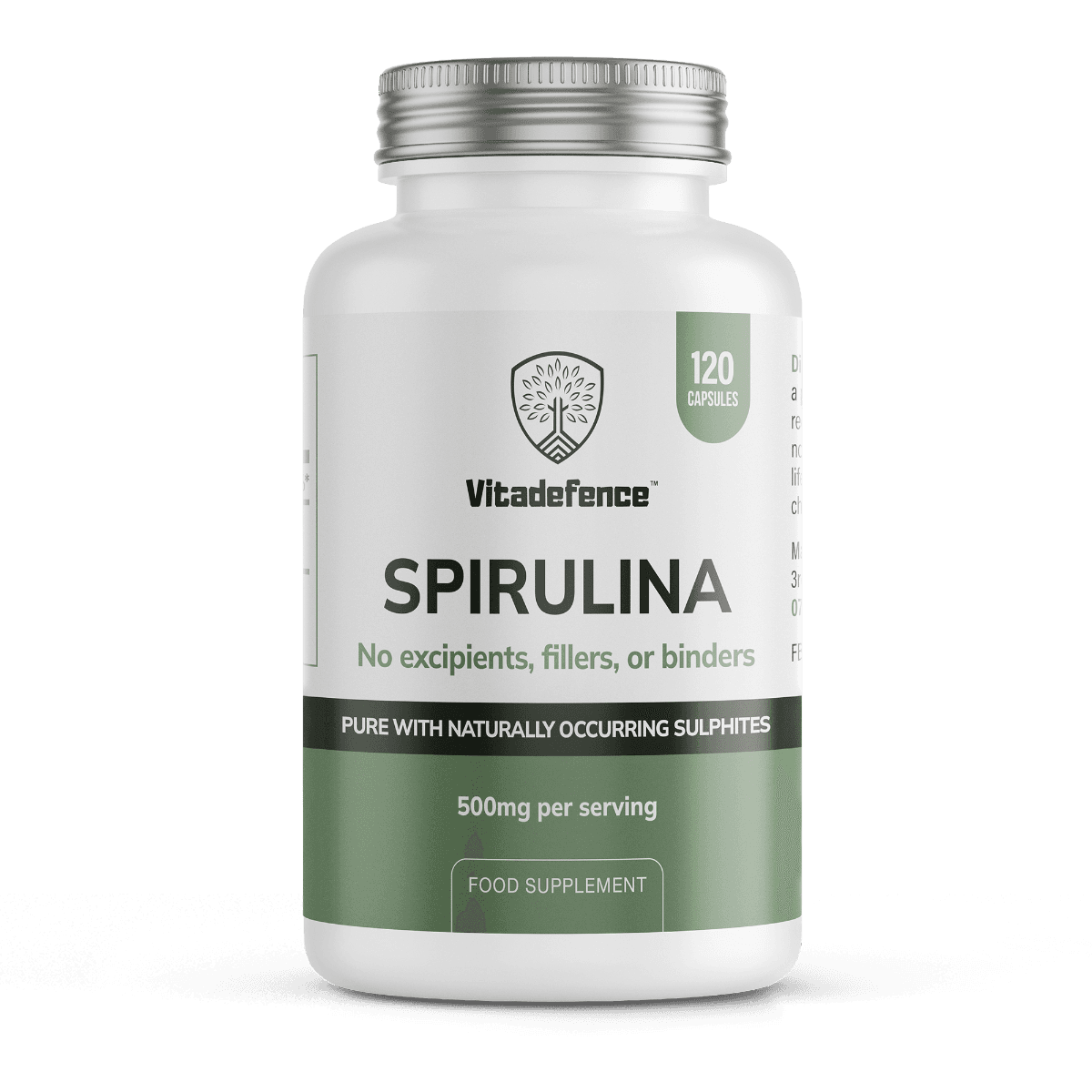
Spirulina is a blue-green algae that is incredibly nutrient-dense, providing protein, B vitamins, iron, and antioxidants. While not a direct stimulant, its high iron content can be particularly beneficial for energy if you have low iron stores (a common cause of fatigue). EFSA has authorised a claim for iron contributing to normal energy-yielding metabolism.
A 2021 study in the Journal of Medicinal Food found that spirulina supplementation reduced fatigue and improved physical performance in healthy adults. The phycocyanin in spirulina also has antioxidant properties that may help combat oxidative stress, which can contribute to feelings of tiredness. Typical doses range from 1-3 grams per day. You can find our high-quality, GMP-certified Spirulina supplement in our range.
Practical Guidance: How to Choose and Use Energy Supplements
With so many options, knowing where to start can be overwhelming. Here’s a practical framework for integrating supplements into your routine.
Step 1: Rule Out Medical Causes
Before self-supplementing, it's crucial to rule out underlying medical conditions. If you have persistent, unexplained fatigue, see your GP for a blood test. This should include a full blood count, ferritin (iron stores), vitamin B12, vitamin D, and thyroid function (TSH). Addressing a deficiency is far more effective than taking a general "energy supplement."
Step 2: Start with Foundational Nutrients
If your blood work is normal, start with a high-quality B-complex or a multivitamin that provides good levels of B vitamins, iron, and magnesium. These are the most evidence-based nutrients for energy metabolism. You can take them consistently for 4-6 weeks to assess their effect.
Step 3: Layer in Adaptogens for Stress-Related Fatigue
If stress is a major factor, consider adding an adaptogen like Panax ginseng or Siberian ginseng. These work best when taken cyclically (e.g., 8 weeks on, 2 weeks off) to prevent tolerance. Start with a lower dose and take it in the morning. Many customers find our bundles a convenient way to combine foundational nutrients with targeted adaptogens.
Step 4: Consider Timing and Quality
Energy supplements are best taken with breakfast to align with your body's natural cortisol rhythm. Avoid taking them late in the day. Crucially, choose supplements that are transparent about their ingredients. Avoid proprietary blends where the exact dose of each ingredient is hidden. Look for third-party testing and GMP certification, which we ensure at Vitadefence.
Who Is This For?
These supplements are designed for a wide range of people, but they are most beneficial for:
- Busy professionals experiencing mid-afternoon slumps and mental fatigue.
- Students needing sustained focus and energy during study periods.
- Athletes and active individuals looking to improve endurance and recovery.
- Older adults who may have reduced absorption of B vitamins and iron.
- Anyone recovering from illness who needs extra nutritional support.
Who Should Be Cautious?
While generally safe, these supplements are not for everyone. Exercise caution if:
- You are pregnant or breastfeeding: Always consult your midwife or GP before taking any supplement, especially adaptogens like Panax ginseng.
- You have high blood pressure or a heart condition: Stimulating herbs like Panax ginseng may raise blood pressure in some individuals. Siberian ginseng is generally considered safer.
- You are on medication: Ginseng can interact with blood thinners (e.g., warfarin), diabetes medications, and some antidepressants. Always check with a pharmacist.
- You have an autoimmune condition: Adaptogens can stimulate the immune system, which may be problematic for conditions like rheumatoid arthritis or lupus.
- You have haemochromatosis (iron overload): Avoid supplements containing iron, such as spirulina.
Frequently Asked Questions
Can supplements really help with chronic fatigue syndrome (CFS/ME)?
Some supplements, particularly B vitamins and CoQ10, may support mitochondrial function in people with CFS. However, no supplement is a cure. A 2024 review in Nutrients highlighted that individual responses vary greatly. It's essential to work with a healthcare professional experienced in CFS management. Our blog has more detailed articles on fatigue management.
How long does it take for energy supplements to work?
It depends on the supplement. B vitamins can start to improve energy within a few days if you are deficient, as they are water-soluble and quickly absorbed. Adaptogens like Panax ginseng typically take 2-4 weeks to build up in the system and produce noticeable effects. Be patient and consistent.
Can I take Panax ginseng and Siberian ginseng together?
While it's possible, it's generally not recommended because they have similar mechanisms of action and may overstimulate the nervous system. It's better to choose one based on your needs: Panax for a stronger, more stimulating effect, or Siberian for a gentler, more sustained support. You can read reviews of both on our reviews page to see what works for others.
Are there any side effects of energy supplements?
Most are well-tolerated. B vitamins can cause bright yellow urine (harmless). Adaptogens may cause mild insomnia, headaches, or digestive upset in some people. Spirulina can cause nausea at high doses. Always start with a low dose and increase gradually. If you experience any adverse effects, stop use and consult a healthcare professional.
What's the best time of day to take energy supplements?
Morning is best, ideally with breakfast. Taking them later in the day can interfere with sleep due to their stimulating properties. If you are taking a B-complex, avoid taking it on an empty stomach as it can cause nausea. Consistency is key for adaptogens.
Do I need to cycle adaptogens like ginseng?
Yes, many experts recommend cycling adaptogens to prevent tolerance and maintain effectiveness. A common protocol is 8 weeks on, followed by 2 weeks off. This helps your body maintain sensitivity to the herb. Our product pages provide specific guidance for each supplement.
How Vitadefence Does It
At Vitadefence, we take a no-nonsense approach to supplementation. We believe you deserve to know exactly what you're putting into your body. That's why we use HPMC (vegetable cellulose) capsules—free from gelatine and suitable for vegans. We never use proprietary blends, so you can see the exact dose of every ingredient on the label.
All our supplements are manufactured in our GMP-certified UK facility in London, ensuring the highest standards of quality, purity, and potency. We source ingredients responsibly and test for contaminants. Plus, we offer free Royal Mail Tracked 48 delivery on all orders, so your supplements arrive quickly and reliably. For more details, check our shipping information.
Bottom Line
Persistent fatigue can significantly impact your quality of life, but the right supplements can make a real difference when used strategically. Focus on evidence-backed nutrients like B vitamins and adaptogens such as Panax ginseng and Siberian ginseng. Start by ruling out medical causes, then layer in supplements based on your specific needs. Remember, there's no quick fix—consistency and quality are everything.
If you're ready to take control of your energy levels, explore our range of targeted, high-quality supplements. Our Panax Ginseng Multi is a great all-in-one option for those looking for a potent, adaptogenic boost. For a gentler approach, try our Siberian Ginseng. And for foundational nutrient support, our Spirulina is packed with iron and B vitamins.
This article is for educational purposes only and does not constitute medical advice. Always consult a qualified healthcare professional before starting any new supplement regimen, especially if you are pregnant, nursing, or have a pre-existing medical condition. The information provided is based on current scientific evidence and authorised health claims as of 2026. Individual results may vary.
Related products
More from the journal
Spirulina: The Original Superfood — Protein, B12, and Phycocyanin Antioxidant Power
9 min · Ingredients
Siberian Ginseng Benefits: Why This Adaptogen Is Different From Panax Ginseng
7 min · Ingredients