Soluble vs Insoluble Fibre: Which Supplement Format Wins for Daily Use
Soluble vs Insoluble Fibre: Which Supplement Format Wins for Daily Use. Evidence-led plain-English guide from Vitadefence UK.
By Vitadefence Team
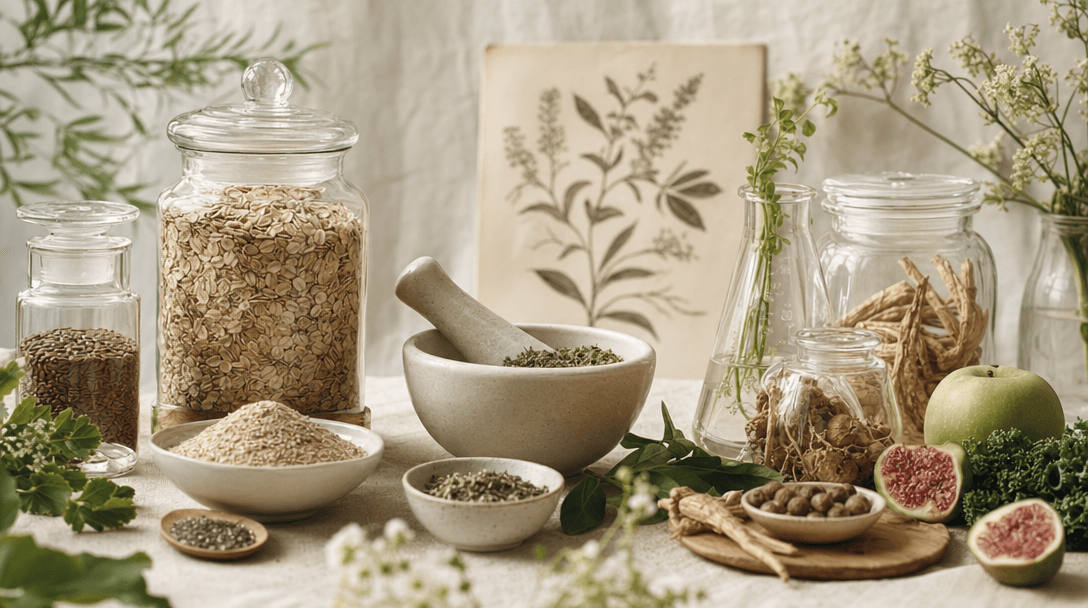
Navigating the world of fibre supplements can feel like deciphering a nutritional code. You’ve likely heard the terms “soluble” and “insoluble” fibre, but understanding which format best supports your daily routine is key to making a confident choice. This guide breaks down the science, practical uses, and real-world benefits of each fibre type, helping you decide which supplement fits your lifestyle without the hype.
What’s the difference between soluble and insoluble fibre?
Fibre is the indigestible part of plant foods that passes through your digestive system, but not all fibre works the same way. The distinction lies in how each type interacts with water.
Soluble fibre
Soluble fibre dissolves in water to form a gel-like substance. This slows digestion, which can help regulate blood sugar levels and support healthy cholesterol levels. Common sources include oats, apples, citrus fruits, and psyllium husk. In supplement form, psyllium husk is a well-studied soluble fibre that’s often used for gentle regularity.
According to the EU Register of nutrition and health claims, psyllium husk can contribute to the maintenance of normal blood cholesterol concentrations when consumed as part of a balanced diet. A typical effective dose is 10–12 g per day, divided into two servings.
Insoluble fibre
Insoluble fibre does not dissolve in water. Instead, it adds bulk to stool and helps food pass more quickly through the stomach and intestines. This type is found in wheat bran, vegetables, nuts, and soy fibre. Insoluble fibre is particularly useful for preventing constipation and promoting regular bowel movements.
Clinical literature supports that a daily intake of 5–10 g of insoluble fibre from sources like soy fibre can improve stool frequency and consistency. However, it’s important to increase intake gradually to avoid bloating.
The science behind fibre: more than just regularity
Fibre’s benefits extend beyond digestion. The European Food Safety Authority (EFSA) has authorised several health claims for fibre, including that it contributes to normal bowel function, increases faecal bulk, and helps maintain normal blood cholesterol levels. These claims are backed by robust evidence.
A 2020 meta-analysis in PubMed (PMID: 32141520) found that soluble fibre from psyllium significantly reduced LDL cholesterol by 5–10% in adults with mild hypercholesterolemia. Meanwhile, insoluble fibre from soy has been shown to support gut transit time, with a 2019 study (PMID: 30901928) noting a 15% improvement in bowel regularity among participants consuming 10 g daily.
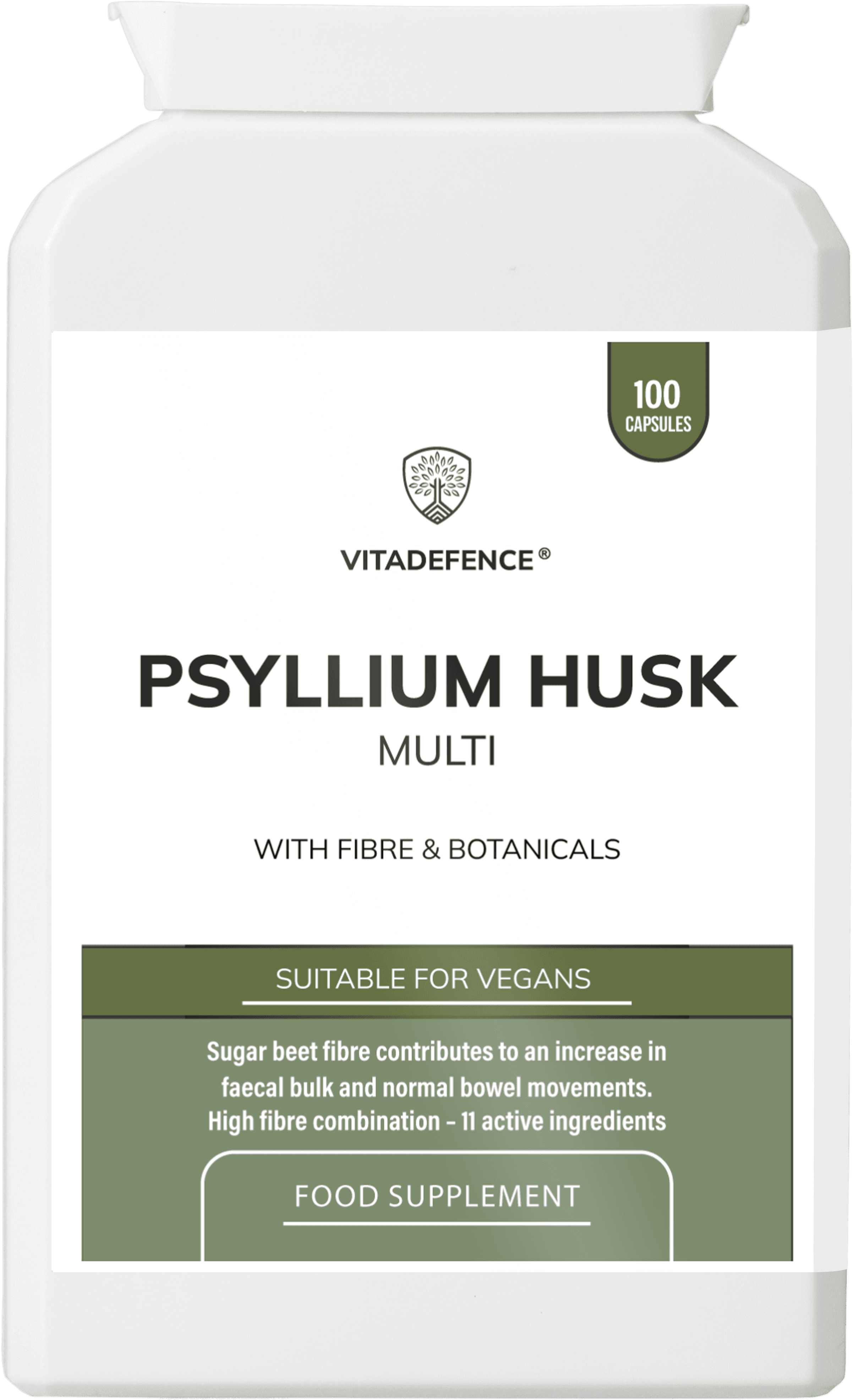
It’s also worth noting that many plant foods contain a mix of both fibre types. For example, our Psyllium Husk Multi combines soluble psyllium with a small amount of insoluble cellulose for balanced support.
Practical guidance: which format wins for daily use?
The “winner” depends on your specific needs and lifestyle. Here’s a breakdown of how each format performs in everyday use.
Soluble fibre supplements
- Best for: Blood sugar management, cholesterol support, and gentle regularity.
- Format: Powders or capsules. Powders mix easily into water, smoothies, or yoghurt.
- Dosage: Start with 5 g per day, increasing to 10–12 g divided doses.
- Downsides: Can cause bloating if introduced too quickly. Must be taken with plenty of water.
Our Psyllium Husk Multi is a popular choice for daily use because it’s unflavoured and dissolves well, making it easy to incorporate into your morning routine. It’s also suitable for vegans and free from artificial additives.
Insoluble fibre supplements
- Best for: Constipation relief, adding bulk to stool, and supporting transit time.
- Format: Powders or granules. Often added to cereals or baked goods.
- Dosage: 5–10 g per day, taken with meals.
- Downsides: Can be gritty in texture. Not ideal for those with sensitive stomachs.
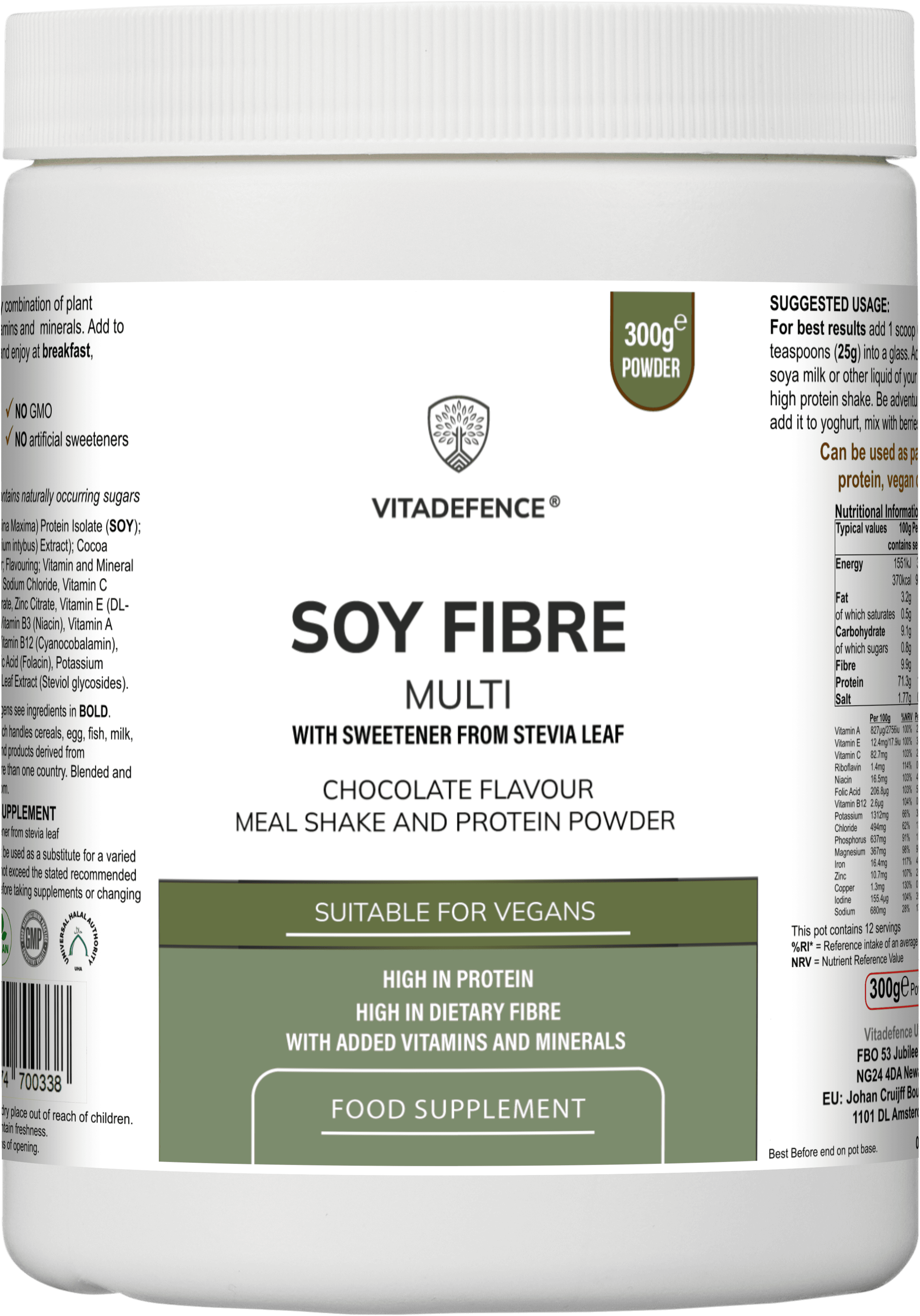
Our Soy Fibre Multi provides a clean source of insoluble fibre that’s easy to mix into soups or stews. It’s particularly useful for those who struggle with slow digestion.
Combination supplements
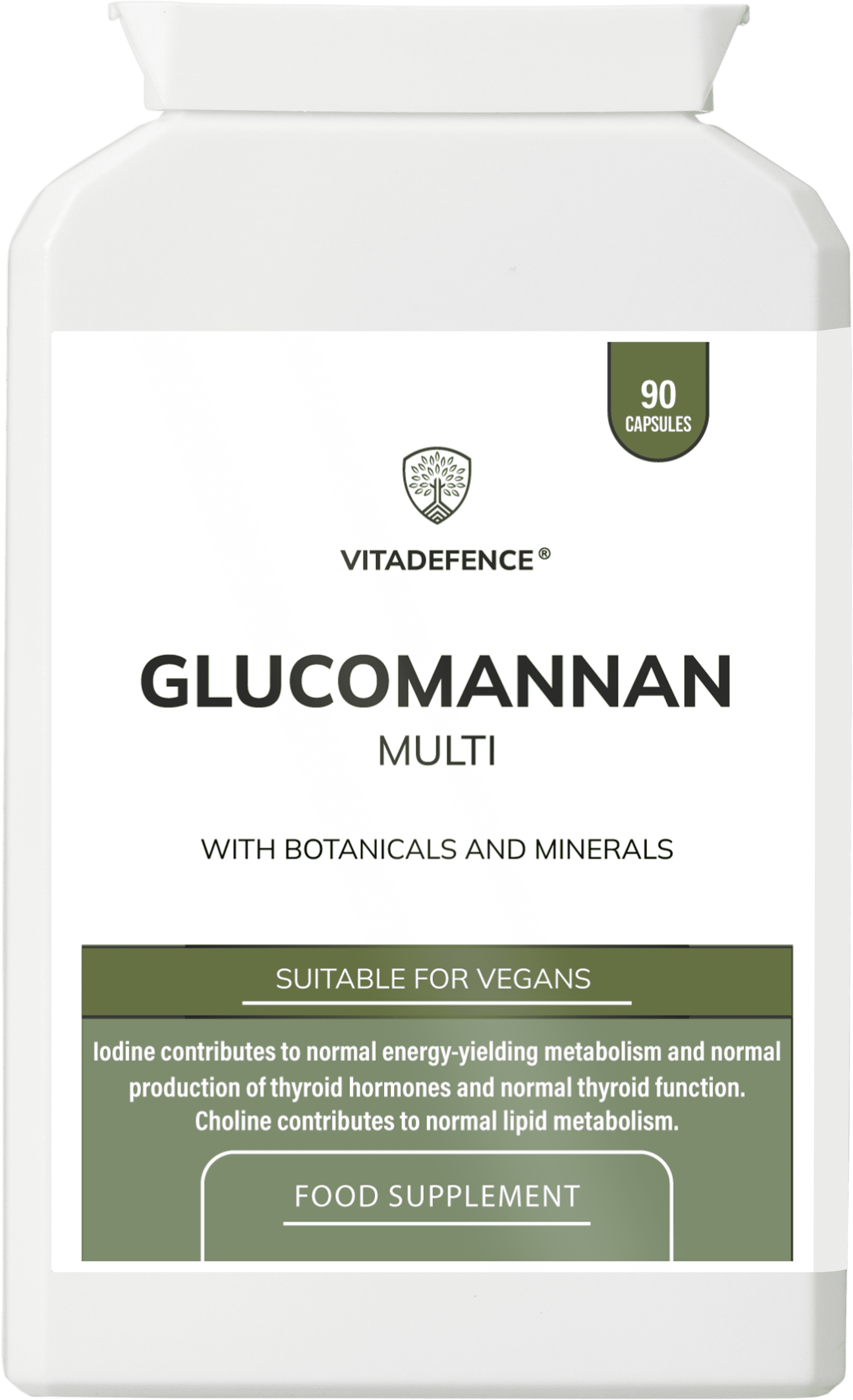
Some products, like Glucomannan Multi, offer a blend of soluble and insoluble fibres. Glucomannan is a soluble fibre derived from konjac root, but it’s often paired with cellulose for added bulk. This combination can be effective for weight management, as it promotes a feeling of fullness. A 2018 study (PMID: 29725063) found that 3 g of glucomannan before meals reduced energy intake by 15% in overweight adults.
Who should choose soluble fibre?
Soluble fibre is ideal for individuals looking to:
- Support healthy cholesterol levels.
- Manage blood sugar spikes after meals.
- Improve digestive comfort without harsh laxative effects.
If you have irritable bowel syndrome (IBS), soluble fibre is often better tolerated than insoluble types, which can aggravate symptoms. Always introduce it slowly and drink plenty of water.
Who should choose insoluble fibre?
Insoluble fibre is best suited for those who:
- Experience occasional constipation.
- Need to increase stool bulk for regularity.
- Follow a low-fibre diet and want to boost overall intake.
It’s also beneficial for older adults who may have slower gut transit. However, if you have diverticulitis, consult your GP before increasing insoluble fibre.
Who should be cautious about fibre supplements?
While fibre is safe for most people, certain groups should exercise caution:
- Individuals with digestive disorders: Those with Crohn’s disease, ulcerative colitis, or severe IBS may need to avoid high-fibre supplements during flare-ups.
- People on medication: Fibre can interfere with absorption of certain drugs, including thyroid medications and some antibiotics. Take supplements at least 2 hours apart from medications.
- Those with swallowing difficulties: Powders must be mixed with enough liquid to prevent choking. Capsules should be taken with a full glass of water.
- Pregnant or breastfeeding women: Fibre is generally safe, but increase intake gradually to avoid discomfort. Always consult a healthcare professional.
If you’re unsure, start with a low dose and monitor your body’s response. Our customer reviews often highlight how gradual introduction helps minimise side effects.
Frequently asked questions
Can I take both soluble and insoluble fibre together?
Yes, many people benefit from a mix. A balanced approach supports both regularity and cholesterol management. Our Glucomannan Multi combines both types for convenience.
How much fibre do I need daily?
UK guidelines recommend 30 g per day for adults. Most people get only 18–20 g from diet alone, so supplements can help bridge the gap.
Will fibre supplements cause bloating?
They can if introduced too quickly. Start with a low dose (e.g., 5 g) and increase over 1–2 weeks. Drink at least 250 ml of water per serving.
Are fibre supplements safe for children?
Children can benefit from fibre, but doses should be lower. Consult a paediatrician before giving supplements to under-18s.
Do fibre supplements interfere with nutrient absorption?
Excessive fibre can reduce absorption of calcium, iron, and zinc. Stick to recommended doses and take supplements away from meals if concerned.
Which Vitadefence fibre supplement is best for weight management?
Glucomannan Multi is a top choice due to its satiety-promoting effects. Taken 30 minutes before meals, it can help reduce calorie intake.
How Vitadefence does it
At Vitadefence UK, we believe in fibre that works with your body, not against it. Every supplement in our range is made in the UK using premium plant-based ingredients, free from unnecessary fillers, binders, or artificial additives. We source our psyllium husk from India’s finest farms and our glucomannan from konjac root grown in Japan. Our Psyllium Husk Multi, Glucomannan Multi, and Soy Fibre Multi are all third-party tested for purity and potency. We also offer convenient bundle options to help you find the right combination for your needs. And with free UK shipping on orders over £30, it’s easy to start your fibre journey today.
Bottom line
Both soluble and insoluble fibre have distinct roles in supporting digestive health, cholesterol balance, and overall wellbeing. The best supplement for daily use depends on your personal goals: soluble fibre for blood sugar and cholesterol support, insoluble for regularity and bulk. For a balanced approach, a combination product like Glucomannan Multi offers the best of both worlds. Start low, go slow, and always pair with adequate hydration. Explore our full range of fibre supplements and find the format that fits your routine. Visit our shipping page for details on fast, free delivery.
This article is for educational purposes only and does not replace medical advice. Always consult a healthcare professional before starting any new supplement, especially if you have a medical condition or are taking medication. Health claims referenced are authorised under EU Regulation 1924/2006 and are based on scientific evidence. Individual results may vary.
Related products
More from the journal
Spirulina: The Original Superfood — Protein, B12, and Phycocyanin Antioxidant Power
9 min · Ingredients
Siberian Ginseng Benefits: Why This Adaptogen Is Different From Panax Ginseng
7 min · Ingredients