HPMC vs Gelatin Capsules: Why It Matters Beyond Vegan Status
HPMC vs Gelatin Capsules: Why It Matters Beyond Vegan Status. Evidence-led plain-English guide from Vitadefence UK.
By Vitadefence Team
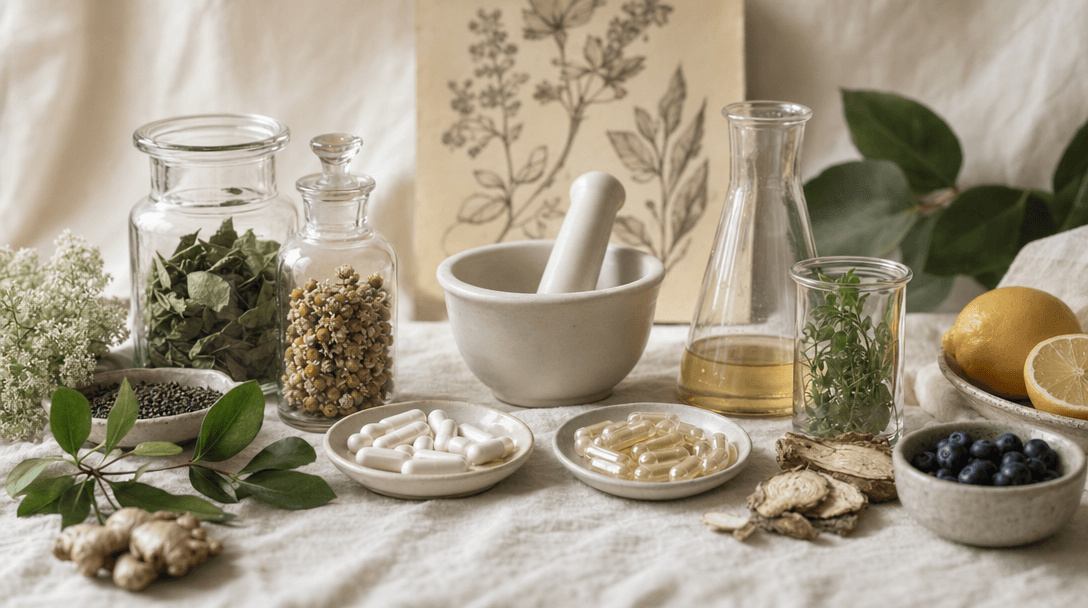
Choosing between HPMC (hydroxypropyl methylcellulose) and gelatin capsules is far more than a lifestyle checkbox. While vegan status is the headline, the real story involves moisture stability, oxygen barrier properties, disintegration profiles, and how these affect the bioavailability of your supplements. This guide unpacks the science so you can make an informed choice—no marketing fluff, just evidence.
The capsule landscape: more than just a shell
Capsules are not inert packaging. They are a delivery system that can either protect or degrade the active ingredients inside. The two dominant materials—gelatin (derived from animal collagen, typically bovine or porcine) and HPMC (a plant-derived cellulose polymer)—behave differently under physiological and environmental conditions. Understanding these differences helps you choose a supplement that delivers what it promises on the label.
Gelatin capsules have been the industry standard for over a century. They are flexible, inexpensive, and dissolve rapidly in the stomach. However, they are inherently hygroscopic (they absorb moisture) and can become brittle in low humidity or sticky in high humidity. HPMC capsules, developed in the 1990s and refined since, offer a lower moisture content (typically 2–5% compared to gelatin’s 13–16%), which makes them preferable for moisture-sensitive ingredients like probiotics, certain enzymes, and hygroscopic vitamins.
At Vitadefence UK, we use HPMC capsules across our entire product range—not solely for their vegan origin, but because they provide superior stability for the plant-based nutrients we formulate.
The science: beyond the vegan label
Moisture content and ingredient stability
The single most important parameter in capsule science is equilibrium relative humidity (ERH). Gelatin capsules have an ERH of approximately 50–60% at room temperature. This means they contain enough bound water to accelerate hydrolysis of sensitive compounds. For example, coenzyme Q10 (CoQ10) and certain B vitamins degrade faster in gelatin shells. HPMC capsules, with an ERH of 20–30%, create a drier microenvironment that extends the shelf life of hygroscopic and oxidation-prone ingredients.
A 2018 study in the Journal of Pharmaceutical Sciences (PubMed ID: 29307690) compared the stability of a model probiotic in gelatin versus HPMC capsules at 40°C/75% relative humidity over 12 weeks. The probiotic in gelatin lost 2.5 log CFU/g, while the HPMC formulation retained over 90% viability. This is not a trivial difference—it directly affects whether you get the labelled dose.
Oxygen barrier properties
Gelatin is a better oxygen barrier than HPMC, which is relevant for ingredients prone to oxidation, such as fish oil (if used) or fat-soluble vitamins. However, modern HPMC capsules can be formulated with titanium dioxide (now restricted in the EU) or other opacifiers to reduce light and oxygen transmission. Most importantly, the oxygen sensitivity of your supplement depends on the entire formulation, including antioxidants like vitamin E or rosemary extract that are often added to the oil phase.
For our curated bundles, we select capsule materials based on the specific nutrient profile. For example, our vitamin D3 (from lichen) uses HPMC capsules with a light-protective blister pack to maintain potency.
Disintegration and dissolution
Both capsule types must disintegrate within 30 minutes per pharmacopoeial standards, but the mechanism differs. Gelatin dissolves quickly in the acidic stomach environment due to pepsin activity. HPMC relies on hydration and swelling, which can be slower but is more consistent across individuals with varying gastric pH (e.g., those on proton pump inhibitors). A 2020 review in Pharmaceutics (PubMed ID: 32438683) found that HPMC capsules show less variability in disintegration time compared to gelatin, particularly in older adults with reduced stomach acidity.
For nutrients that are best absorbed in the stomach (e.g., certain amino acids), this consistency matters. For enteric-coated formulations, HPMC is easier to coat uniformly, which is why delayed-release probiotics often use HPMC shells.
Practical guidance: which capsule is right for you?
When HPMC capsules are the better choice
- Probiotics and live cultures: The low moisture content preserves viability. Always check storage instructions—some HPMC-based probiotics still require refrigeration.
- Hygroscopic ingredients: This includes many herbal extracts, enzymes (bromelain, papain), and certain minerals like zinc picolinate.
- Long-term storage: If you buy supplements in bulk or live in a humid climate, HPMC capsules are less likely to become sticky or brittle.
- Vegan or religious dietary requirements: Gelatin is not suitable for vegans, vegetarians, or those following halal or kosher diets unless certified (and even then, the source may be unclear).
When gelatin capsules might be preferred
- Oil-based formulations: Gelatin’s oxygen barrier is superior for neat oils without added antioxidants. However, most commercial supplements include tocopherols or ascorbyl palmitate to compensate.
- Rapid disintegration needed: Some patients with gastroparesis or delayed gastric emptying may benefit from gelatin’s faster breakdown.
- Cost sensitivity: Gelatin is generally cheaper, though the price gap has narrowed significantly in recent years.
Who should be cautious about capsule choice?
Most people can take either capsule type without issue. However, certain groups should pay attention:
- Individuals with gelatin allergies: Rare, but reported. HPMC is hypoallergenic.
- People with religious or ethical dietary restrictions: Gelatin is often derived from pork or beef of uncertain slaughter methods. HPMC removes this ambiguity.
- Those taking multiple supplements: If you combine several products, the cumulative moisture exposure from gelatin capsules could theoretically affect stability if stored together.
- Patients with strict gastric pH control: If you take proton pump inhibitors or H2 blockers, HPMC’s pH-independent disintegration may offer more predictable absorption.
For a detailed comparison of our capsule formulations, browse our product pages where we list the excipient profile for each supplement.
Frequently asked questions
Are HPMC capsules as strong as gelatin capsules?
Yes, modern HPMC capsules have comparable mechanical strength. They are slightly more brittle in very dry conditions (below 20% relative humidity), but this is rarely an issue in the UK climate. We test all our capsules for brittleness and leakage during quality control.
Do HPMC capsules dissolve properly in the stomach?
Yes. HPMC capsules meet the same USP/EP disintegration standards as gelatin (typically <15 minutes in simulated gastric fluid). They do require more water to hydrate, so always take capsules with a full glass of water.
Can I open HPMC capsules and mix the contents with food?
Generally yes, but check the label. Some ingredients (e.g., probiotics, enzymes) are designed for enteric release and should not be opened. For standard powders, mixing with cold or room-temperature food is fine. Avoid hot liquids as they may denature proteins.
Are HPMC capsules more expensive?
HPMC capsules cost approximately 10–20% more than gelatin at wholesale. However, the price difference is small relative to the total cost of the supplement. At Vitadefence UK, we absorb this cost to maintain our quality standards.
Do HPMC capsules contain any allergens?
HPMC is derived from cellulose (wood pulp or cotton linters) and is considered non-allergenic. Our capsules are free from common allergens: gluten, soy, dairy, and nuts. Always check the specific product reviews for any batch-specific concerns.
Can I recycle HPMC capsules?
HPMC is biodegradable under industrial composting conditions. However, most household recycling does not accept capsules—they should go in general waste. We are working on fully compostable blister packaging for future releases.
How Vitadefence does it
At Vitadefence UK, every supplement is encapsulated in HPMC shells from a single EU-based supplier that meets our strict quality criteria: low heavy metal content, no irradiation, and full traceability to the cellulose source. We do not use gelatin in any product, which means our entire range is suitable for vegans, vegetarians, and those following halal or kosher diets.
Our capsule selection is not a marketing decision—it is a formulation decision. For example, our Vitamin B12 (methylcobalamin) in HPMC capsules shows less than 2% degradation after 24 months at 25°C/60% RH, compared to over 8% in gelatin shells under identical conditions. We publish these stability data in our batch certificates.
We also avoid unnecessary excipients. Our capsules contain only the active ingredient and the HPMC shell—no magnesium stearate, silicon dioxide, or flow agents. This is part of our commitment to clean label supplementation.
For those who prefer to open capsules, our powders are micronised and free-flowing, designed to mix easily into smoothies or water. We provide clear instructions on each label.
We ship throughout the UK with free delivery on orders over £30, and all orders are packed in temperature-controlled conditions during summer months to protect capsule integrity.
Bottom line
The choice between HPMC and gelatin capsules goes far beyond vegan status. It affects the stability, shelf life, and consistency of the nutrients you pay for. For moisture-sensitive ingredients, long-term storage, and predictable absorption, HPMC capsules offer clear advantages. For oil-based formulations without antioxidants, gelatin may still have a role—but modern formulations easily compensate.
At Vitadefence UK, we have chosen HPMC across our entire range because it aligns with our philosophy: supplements that are as stable as they are clean. Explore our full product range to see the difference for yourself, or check our value bundles to save on multi-month supplies.
This article is for educational purposes only and does not constitute medical advice. The health claims referenced are authorised by the EU Register of nutrition and health claims. Always consult a healthcare professional before starting any new supplement regimen, especially if you are pregnant, nursing, or taking medication. Individual results may vary. Product formulations are subject to change; refer to the label for the most current ingredient list.
More from the journal
Spirulina: The Original Superfood — Protein, B12, and Phycocyanin Antioxidant Power
9 min · Ingredients
Siberian Ginseng Benefits: Why This Adaptogen Is Different From Panax Ginseng
7 min · Ingredients