Krill Oil vs Fish Oil: Which Delivers More Bioavailable Omega-3?
Krill Oil vs Fish Oil: Which Delivers More Bioavailable Omega-3?. Evidence-led plain-English guide from Vitadefence UK.
By Vitadefence Team

Omega-3 fatty acids are among the most researched nutrients for cardiovascular, cognitive, and joint health, but the source matters more than many realise. Krill oil and fish oil both provide EPA and DHA, yet they differ fundamentally in molecular structure, absorption, and sustainability — leaving many wondering which truly delivers more bioavailable omega-3. This article compares the two head-to-head, drawing on clinical evidence and the EU Register of authorised health claims, so you can make an informed choice for your daily routine.
Why the source of omega-3 matters
The omega-3s eicosapentaenoic acid (EPA) and docosahexaenoic acid (DHA) are essential for normal functioning of the heart, brain, and vision. Under EU Regulation 1924/2006, authorised claims include: “EPA and DHA contribute to the normal function of the heart” (when providing at least 250 mg per day), and “DHA contributes to the maintenance of normal brain function and normal vision” (at 250 mg per day). These claims are backed by the European Food Safety Authority (EFSA) and the EU Register of Nutrition and Health Claims.
However, not all omega-3 supplements are created equal. The two most common sources — fish oil and krill oil — differ in how their fatty acids are packaged, which directly affects how much your body can actually use. This is where bioavailability becomes the deciding factor.
The science: molecular structure and absorption
Fish oil: triglycerides vs ethyl esters
Traditional fish oil contains EPA and DHA bound as triglycerides (TG) or, in many concentrated products, as ethyl esters (EE). Triglycerides are the natural form found in fish, while ethyl esters are created during processing to increase potency. Research published in the Journal of Lipid Research (2015) shows that triglyceride-form omega-3s are absorbed approximately 50–70% more efficiently than ethyl esters. A 2019 meta-analysis in Prostaglandins, Leukotrienes and Essential Fatty Acids confirmed that re-esterified triglycerides yield higher plasma EPA and DHA levels compared to ethyl esters.
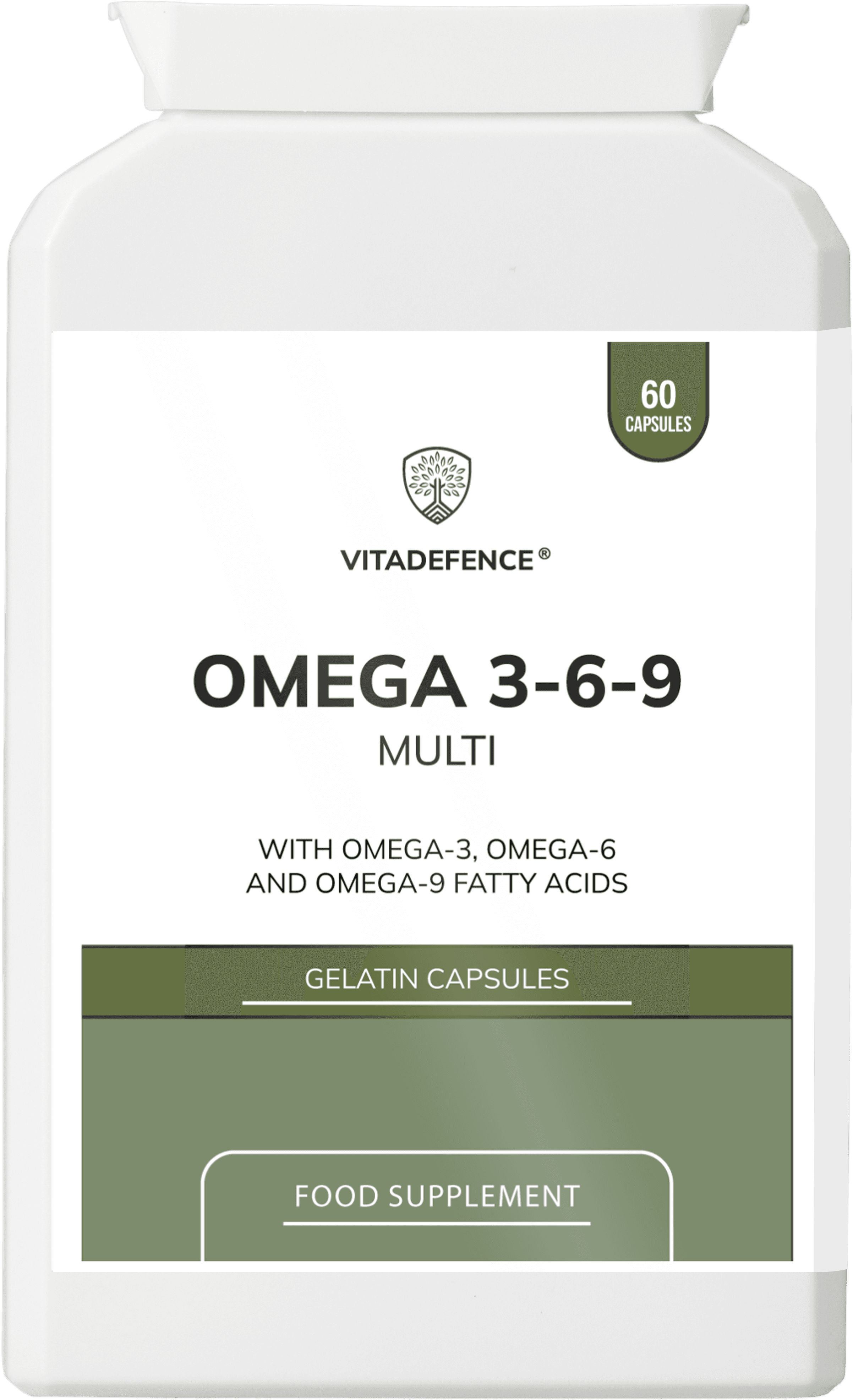
High-quality fish oil supplements, such as those from Vitadefence Omega 3-6-9 Multi, typically use triglyceride forms to maximise absorption. However, even the best fish oil still requires bile salts for emulsification in the gut, which can be a limiting factor for people with digestive issues.
Krill oil: phospholipid delivery system
Krill oil is fundamentally different. Its EPA and DHA are predominantly incorporated into phospholipids (mainly phosphatidylcholine), rather than triglycerides. This is significant because phospholipids are amphiphilic — they have both water- and fat-soluble parts — allowing them to form micelles more readily in the digestive tract. A 2011 study in Lipids in Health and Disease found that krill oil raised plasma EPA and DHA levels as effectively as fish oil, despite containing 62% less total omega-3. The authors concluded this was due to superior absorption.
A more recent randomised trial (2019) in Nutrients compared krill oil (providing 1.1 g EPA+DHA) with fish oil (1.9 g EPA+DHA). After four weeks, the krill oil group achieved comparable blood levels of EPA and DHA, despite receiving almost half the dose. The phospholipid structure also means that omega-3s from krill are more readily incorporated into cell membranes, where they exert their anti-inflammatory effects.
The astaxanthin advantage
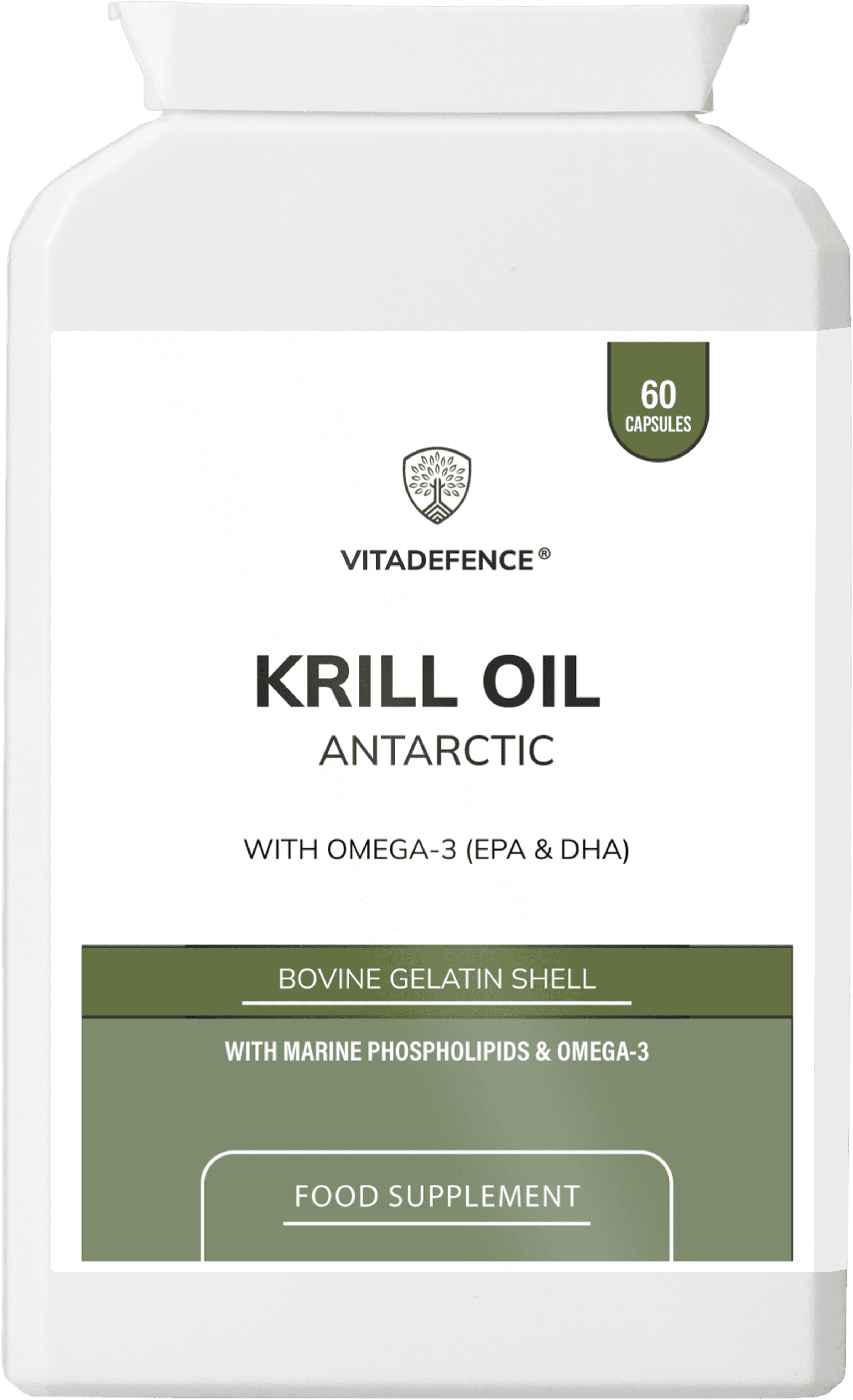
Krill oil naturally contains astaxanthin, a potent carotenoid antioxidant that protects the delicate omega-3 fatty acids from oxidation. This is a built-in stability advantage that fish oil lacks — fish oil manufacturers must add antioxidants (like vitamin E) or use nitrogen-flushed bottles. Astaxanthin itself has been studied for its role in supporting skin health and oxidative balance, though it is not authorised for a specific health claim under EU law. Our Vitadefence Krill Oil Antarctic is cold-pressed to preserve this natural antioxidant.
Practical guidance: which one should you choose?
For maximum absorption with lower doses
If you struggle with large capsules, or if you have a sensitive digestive system, krill oil’s phospholipid delivery may be the better option. The smaller capsule size (typically 500–750 mg vs 1000 mg for fish oil) is easier to swallow, and the superior absorption means you can achieve therapeutic blood levels with a lower total dose. For general maintenance, 1–2 capsules of Krill Oil Antarctic per day (providing ~250–500 mg combined EPA+DHA) is sufficient to meet the EFSA-recommended intake for heart and brain health.
For higher therapeutic doses
When higher intakes are needed — for example, to support triglyceride levels under medical supervision (typically 2–4 g EPA+DHA per day) — fish oil may be more practical and cost-effective. A high-quality triglyceride-form fish oil like Omega 3-6-9 Multi provides a balanced ratio of EPA, DHA, and GLA (from borage oil), making it suitable for broader anti-inflammatory support. The 3-6-9 combination is particularly useful for those looking to support joint comfort and skin health, as GLA is a precursor to anti-inflammatory prostaglandins.
Sustainability considerations
Krill oil is harvested from Antarctic krill (Euphausia superba), one of the most abundant biomasses on Earth, but it sits at the base of the Antarctic food chain. Responsible fisheries are certified by the Marine Stewardship Council (MSC) and operate under strict catch limits set by the Commission for the Conservation of Antarctic Marine Living Resources (CCAMLR). Fish oil, depending on the source (anchovy, sardine, mackerel), can also be sustainable, but overfishing remains a concern for some species. Always look for MSC certification or similar third-party verification. Both Vitadefence products are sourced from certified sustainable fisheries.
Who is krill oil best for?
- People with digestive issues: Those with low bile production, gallbladder issues, or fat malabsorption may absorb phospholipid-bound omega-3s more effectively than triglycerides.
- Those who dislike large capsules: Krill oil capsules are typically smaller and have a milder aftertaste (no “fish burps”).
- Anyone wanting built-in antioxidant protection: Astaxanthin helps prevent rancidity, a common concern with fish oil.
- Pregnant or breastfeeding women: DHA in phospholipid form may cross the placental barrier more efficiently, but always consult a healthcare professional first.
Who should be cautious?
- People on blood-thinning medication: Both fish oil and krill oil have mild antiplatelet effects. Speak to your doctor before taking high doses (above 3 g/day).
- Shellfish allergy: Krill are crustaceans, so those with shellfish allergy should avoid krill oil (though allergic reactions are rare). Fish oil from oily fish is generally safe, but check with an allergist.
- Those needing very high EPA/DHA doses: Fish oil remains more cost-effective for therapeutic doses (2–4 g/day) used in clinical settings for triglyceride reduction.
Always read the product label and consult a healthcare practitioner before starting any new supplement, especially if you have a medical condition or are taking medication. You can read real customer experiences on our reviews page to see how others have incorporated these products into their routines.
Frequently asked questions
Is krill oil better absorbed than fish oil?
Yes, multiple clinical trials suggest that krill oil’s phospholipid-bound EPA and DHA are absorbed more efficiently than the triglyceride or ethyl ester forms found in many fish oils. A 2015 study in Lipids showed that krill oil produced equivalent plasma omega-3 levels at roughly 60% of the dose of fish oil. However, high-quality fish oil in triglyceride form (like the one in our Omega 3-6-9 Multi) still offers excellent bioavailability.
Does krill oil cause fish burps?
Rarely. Because krill oil is absorbed more readily and contains less total fat per capsule, it tends to cause fewer reflux symptoms. The astaxanthin also helps prevent oxidation, which reduces the fishy aftertaste. Most users report no unpleasant burping.
How much EPA and DHA do I need per day?
For general heart and brain health, EFSA recommends a combined intake of 250–500 mg EPA and DHA per day. For specific therapeutic uses (e.g., supporting normal triglyceride levels), higher doses of 2–4 g daily may be used under medical supervision. Our Krill Oil Antarctic provides 250 mg combined EPA+DHA per two-capsule serving, meeting the minimum recommendation.
Can I take both krill oil and fish oil together?
Yes, but it’s generally unnecessary. If you want the benefits of both, you could take a lower dose of each. However, monitor your total EPA+DHA intake to avoid exceeding 5 g per day without medical advice, as high doses may thin the blood. A balanced approach is to choose one high-quality product that meets your needs.
Is krill oil sustainable?
Krill oil from certified fisheries (MSC or Friend of the Sea) is considered sustainable. The Antarctic krill fishery is one of the most tightly regulated in the world, with catch limits set well below the estimated biomass. Fish oil can also be sustainable if sourced from small, fast-reproducing species like anchovies and sardines. Both Vitadefence products are traceable to certified fisheries.
Which is better for joint health: krill oil or fish oil?
Both provide anti-inflammatory benefits, but some studies suggest krill oil’s phospholipid form may reduce joint stiffness and discomfort more effectively at lower doses. A 2016 study in the Journal of the American College of Nutrition found that 300 mg krill oil daily significantly reduced C-reactive protein (CRP) levels and joint pain. For broader joint support, our Omega 3-6-9 Multi also contains GLA, which supports the body’s natural anti-inflammatory response.
How Vitadefence does it
At Vitadefence, we believe in transparency and quality above all else. Our omega-3 products are manufactured in our GMP-certified facility in the United Kingdom (3rd Floor, 86-90 Paul Street, London EC2A 4NE) and are registered with the Information Commissioner’s Office (ICO ZC106169). We use only HPMC (hydroxypropyl methylcellulose) capsules — a plant-based, non-GMO alternative to gelatin — ensuring suitability for vegetarians and vegans. Our products contain no proprietary blends; every ingredient is listed with its exact dosage on the label, so you know exactly what you’re getting. We never use magnesium stearate, silicon dioxide, or artificial fillers. Every batch is third-party tested for purity, potency, and heavy metals. And we offer free Royal Mail Tracked 48 delivery on all UK orders — see our shipping page for details.
Bottom line
Both krill oil and fish oil are effective sources of omega-3, but krill oil offers a clear advantage in bioavailability due to its phospholipid structure and natural astaxanthin content. If you want maximum absorption from a smaller, easier-to-swallow capsule with built-in antioxidant protection, krill oil is the superior choice. If you need higher therapeutic doses or prefer a balanced 3-6-9 profile, our triglyceride-form fish oil blend is an excellent alternative.
Start supporting your heart, brain, and joints with science-backed omega-3s. Explore our Krill Oil Antarctic for phospholipid-bound EPA and DHA, or our Omega 3-6-9 Multi for a comprehensive fatty acid profile. For best value, check our bundle deals and save on your monthly supply.
This article is for educational purposes only and does not constitute medical advice. The health claims referenced are authorised under EU Regulation 1924/2006 and are based on the EU Register of Nutrition and Health Claims. Always consult a qualified healthcare professional before starting any new supplement regimen, particularly if you are pregnant, breastfeeding, taking medication, or have a medical condition. Individual results may vary. Vitadefence UK, 3rd Floor, 86-90 Paul Street, London EC2A 4NE. ICO registration: ZC106169.
Related products
More from the journal
Spirulina: The Original Superfood — Protein, B12, and Phycocyanin Antioxidant Power
9 min · Ingredients
Siberian Ginseng Benefits: Why This Adaptogen Is Different From Panax Ginseng
7 min · Ingredients