Panax vs Siberian Ginseng: The Real Differences and How to Choose
Panax vs Siberian Ginseng: The Real Differences and How to Choose. Evidence-led plain-English guide from Vitadefence UK.
By Vitadefence Team
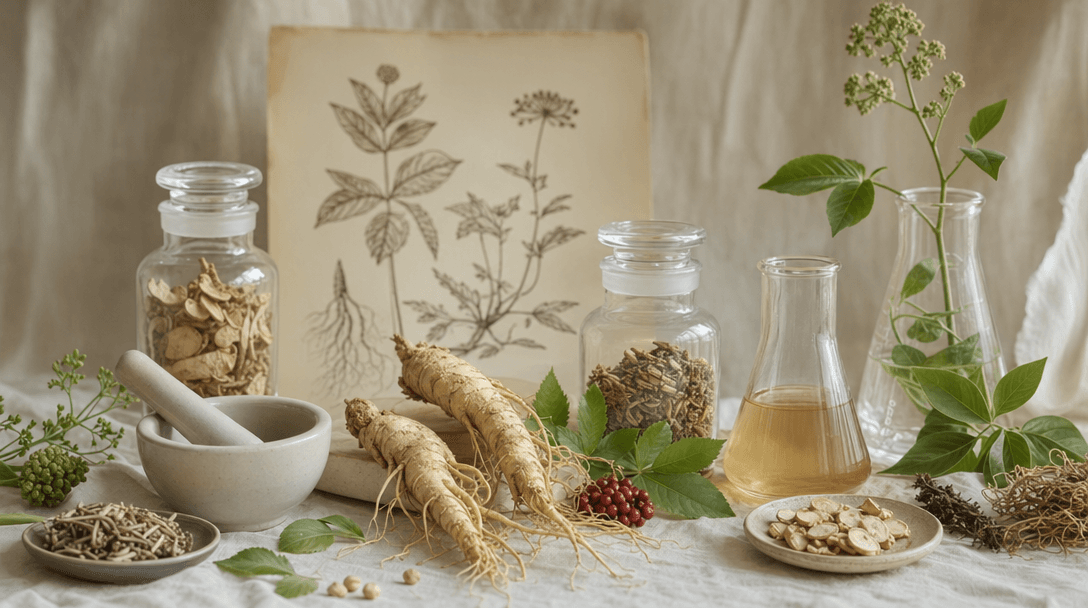
Walk into any health food shop or browse online supplements, and you’ll see “ginseng” everywhere — but it’s rarely the same plant. Panax ginseng (Asian ginseng) and Siberian ginseng (Eleutherococcus senticosus) are two distinct botanicals with different active compounds, different traditional uses, and different evidence bases. One isn’t “better” than the other; they’re suited to different goals. Here’s how to tell them apart and choose the right one for you.
What’s in a name? The botanical background
Despite sharing the word “ginseng”, Panax ginseng and Siberian ginseng belong to different plant families. Panax ginseng — sometimes called Asian or Korean ginseng — is a member of the Araliaceae family, native to Northeast Asia. Its active compounds are ginsenosides, a class of triterpene saponins that have been extensively studied for their effects on cognitive function, physical performance, and general vitality.
Siberian ginseng, on the other hand, is not a true ginseng. Its botanical name is Eleutherococcus senticosus, and it belongs to the same family as Panax but contains different active constituents called eleutherosides. In traditional Russian and Chinese herbal medicine, it has been used as an “adaptogen” — a substance thought to help the body resist stressors of various kinds. Under UK and EU law, Siberian ginseng is classified as a traditional herbal medicine, which means claims must be based on traditional use, not on modern disease-treatment claims.
For a deeper look at how we source and standardise these herbs, you can read our customer reviews and check the batch-specific certificates of analysis on each product page.
The science: authorised health claims and what the evidence says
Panax ginseng — the ginsenoside powerhouse
Panax ginseng is the most researched of the two. The European Union Register of Nutrition and Health Claims does not currently authorise a specific health claim for Panax ginseng as a “food supplement” ingredient under Regulation 1924/2006, but it is widely used in traditional herbal medicinal products registered by the MHRA. The authorised traditional use claim for Panax ginseng is: “Traditionally used to help maintain mental and physical capacity in cases of fatigue and during convalescence.”
Clinical studies — many published in peer-reviewed journals indexed on PubMed — have investigated Panax ginseng for:
- Cognitive performance: A 2018 systematic review in Nutrients (PubMed ID: 30142923) found that Panax ginseng supplementation (200–400 mg/day of standardised extract) was associated with improvements in working memory and reaction time in healthy adults.
- Physical endurance: A 2013 meta-analysis in the Journal of the International Society of Sports Nutrition suggested that Panax ginseng may improve physical performance, though effect sizes were modest and varied by dose and duration.
- Immune function: While we cannot claim that Panax ginseng “boosts immunity” under EU rules, some studies have explored its effects on immune markers. However, these are not authorised health claims and should be interpreted cautiously.
Typical clinical doses range from 200 mg to 400 mg of standardised extract (containing 4–7% ginsenosides) taken once or twice daily. It’s worth noting that Panax ginseng can be stimulating, so it’s often recommended to take it earlier in the day.
Siberian ginseng — the gentle adaptogen
Siberian ginseng has a different evidence profile. Under the UK Traditional Herbal Registration (THR) scheme, the authorised indication is: “A traditional herbal medicinal product used for the relief of symptoms of stress and for the relief of fatigue.” This is based on longstanding use in Russian and Chinese traditional medicine, not on modern clinical trials that meet the standard for a health claim under EU regulation.
That said, there is some published research. A 2015 randomised controlled trial in Phytomedicine (PubMed ID: 26093822) investigated Eleutherococcus senticosus extract (300 mg/day) in 60 adults with mild fatigue and found improvements in fatigue scores and quality of life compared to placebo. However, the evidence base is smaller than for Panax ginseng, and many studies have methodological limitations.
Siberian ginseng is generally considered milder and less stimulating than Panax ginseng. It contains eleutherosides (not ginsenosides), which are thought to modulate the hypothalamic-pituitary-adrenal (HPA) axis — the body’s central stress response system — without the pronounced stimulant effect that some people experience with Panax.
Practical guidance: how to choose between them
Choosing between Panax and Siberian ginseng comes down to your goal, your sensitivity to stimulants, and your overall health profile. Here’s a simple framework:
- Choose Panax ginseng if: You’re looking for support with mental focus, physical endurance, or you’re recovering from a period of low energy and want a more targeted, evidence-backed option. Panax is the stronger of the two, with more clinical research behind it.
- Choose Siberian ginseng if: You’re dealing with everyday stress, you want a gentler, non-stimulating option, or you’re sensitive to caffeine-like effects. Siberian ginseng is often preferred by people who need to take a supplement consistently over weeks or months without feeling “wired”.
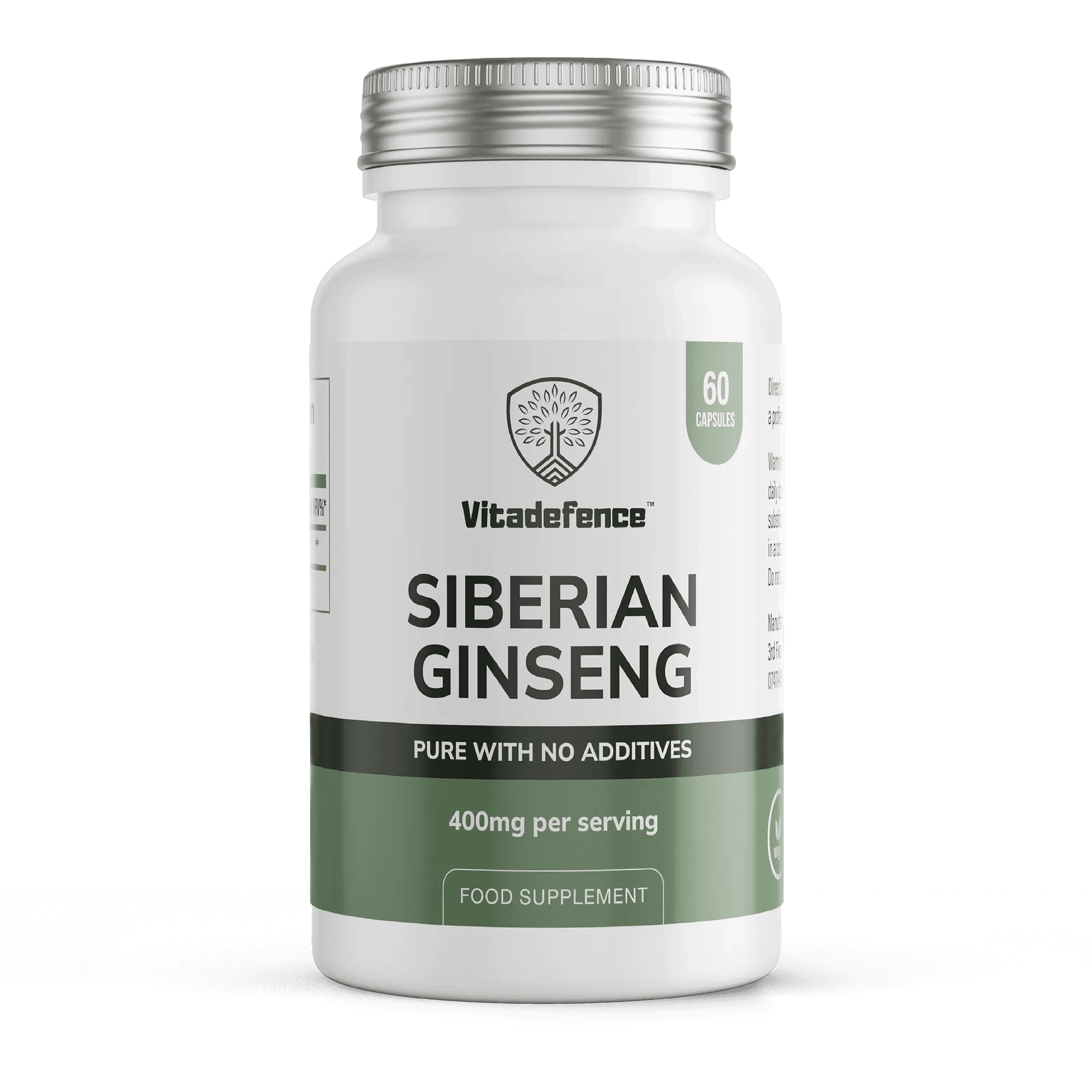
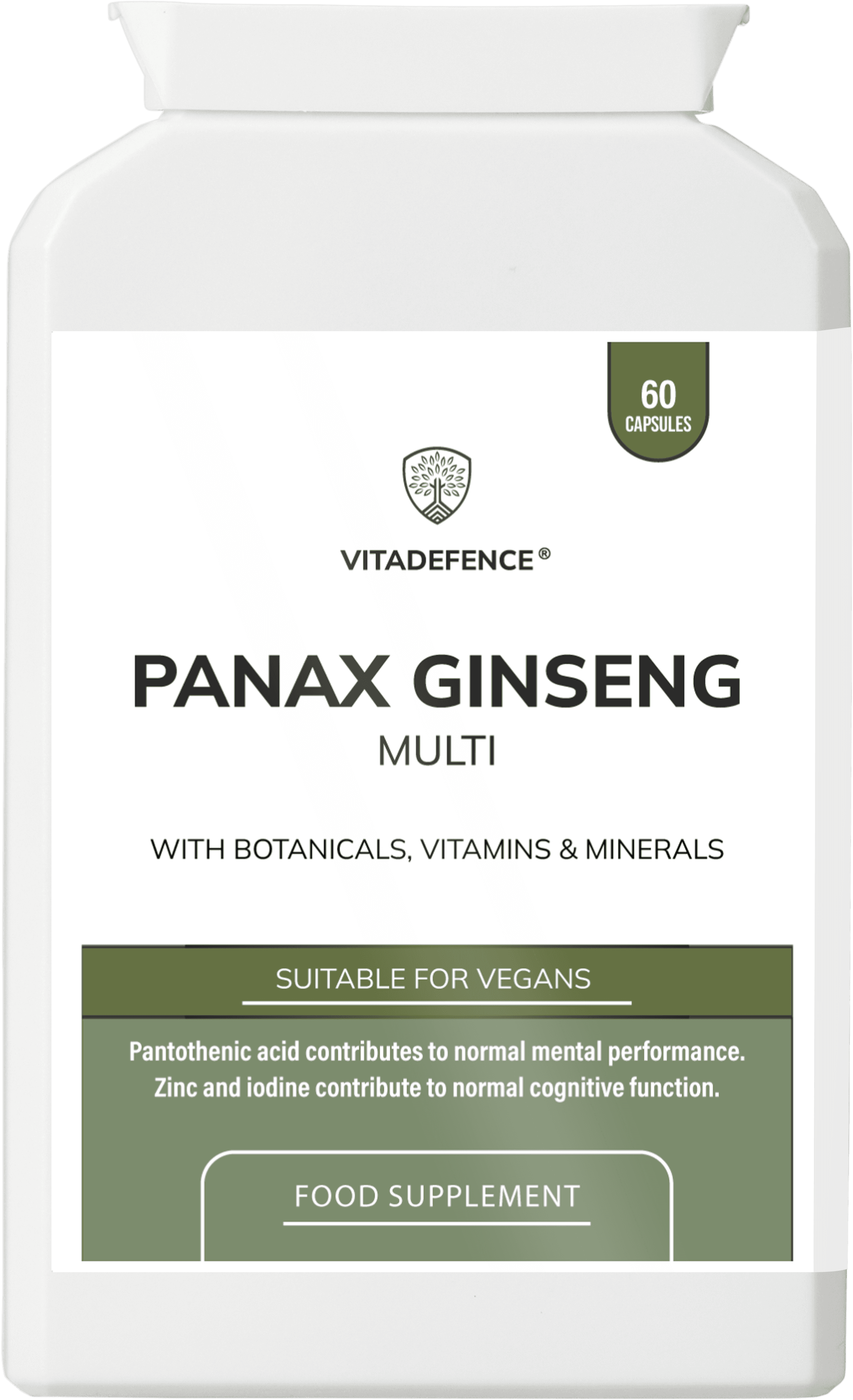
Neither should be considered a “quick fix”. Both are best used as part of a broader approach to health that includes good sleep, a balanced diet, and regular physical activity. You can explore our Panax Ginseng Multi and Siberian Ginseng product pages for full ingredient lists and suggested use.
Who it’s for — and who should be cautious
Who can benefit from Panax ginseng
- Healthy adults aged 18–65 looking for support with mental clarity or physical stamina.
- People during convalescence (as per traditional use) who need gentle support for recovery.
- Those who have used Siberian ginseng and found it too subtle, and want a more noticeable effect.
Who can benefit from Siberian ginseng
- Adults experiencing mild, everyday stress or fatigue (not clinical burnout or depression).
- People who are caffeine-sensitive and want an adaptogen without stimulation.
- Those who prefer a traditional herbal approach and are comfortable with traditional use claims rather than modern clinical claims.
Who should be cautious with either
- Pregnant or breastfeeding women: Neither Panax nor Siberian ginseng is recommended during pregnancy or lactation due to insufficient safety data.
- People on blood-thinning medication (e.g. warfarin): Panax ginseng may interact with anticoagulants. Consult your doctor before use.
- People with hormone-sensitive conditions: Panax ginseng may have mild oestrogenic effects. Those with breast cancer, uterine fibroids, or endometriosis should seek medical advice.
- People with insomnia or anxiety disorders: Panax ginseng can be stimulating and may exacerbate symptoms. Siberian ginseng is generally better tolerated, but individual responses vary.
- Children under 18: Neither product is recommended for children unless under professional supervision.
As always, we recommend speaking with a healthcare professional before starting any new supplement, especially if you have an underlying health condition or take prescription medication. You can read more about supplement safety in our supplement safety guidelines.
Frequently asked questions
Can I take Panax and Siberian ginseng together?
There is no known interaction between the two, but combining them is not standard practice and hasn’t been studied. Because they work through different mechanisms, some people choose to cycle them — using Panax for periods of high demand and Siberian for ongoing stress support. If you’re considering combining them, start with one at a time to see how you respond.
How long does it take to feel the effects?
For Panax ginseng, some people report subjective improvements in energy and focus within the first week, but clinical studies often run for 4–8 weeks to see measurable changes. Siberian ginseng is typically slower — traditional use suggests taking it consistently for 2–4 weeks before assessing effects. Neither should be expected to work instantly.
Which one is better for stress?
Siberian ginseng has the stronger traditional use claim for stress relief. Panax ginseng is more associated with physical and mental performance. If your primary concern is stress management, Siberian ginseng is the more appropriate choice based on available evidence and regulatory authorisation.
Are there any side effects?
Both are generally well-tolerated. Panax ginseng can cause insomnia, headache, or digestive upset in some people, especially at higher doses. Siberian ginseng is milder but can occasionally cause mild drowsiness or loose stools. If you experience side effects, reduce the dose or stop use and consult a healthcare professional.
Can I take ginseng long-term?
Traditional use suggests that both can be taken for 2–3 months at a time, followed by a break of 1–2 weeks. Continuous long-term use (beyond 6 months) has not been well studied. We recommend cycling any adaptogenic herb to allow your body to reset its response.
Do you test for ginsenoside or eleutheroside content?
Yes. Every batch of our Siberian Ginseng and Panax Ginseng Multi is tested by an independent UK laboratory for marker compounds (eleutherosides and ginsenosides respectively) to ensure potency and authenticity. We never use proprietary blends — what’s on the label is what’s in the capsule.
How Vitadefence does it
We believe in transparency from seed to shelf. Our Panax Ginseng Multi and Siberian Ginseng supplements are:
- Made in the UK in a GMP-certified facility (3rd Floor, 86-90 Paul Street, London EC2A 4NE).
- Encapsulated in HPMC (hydroxypropyl methylcellulose) — a plant-based, non-GMO capsule that’s suitable for vegans and vegetarians.
- Free from proprietary blends — you see the exact milligram amount of each ingredient per capsule.
- Third-party tested for identity, purity, and potency by an independent UK laboratory.
- Delivered free via Royal Mail Tracked 48 to your door — see our shipping policy for details.
We also offer value bundles if you want to try both ginsengs or combine them with other adaptogens like ashwagandha or rhodiola.
Bottom line
Panax ginseng and Siberian ginseng are not interchangeable. Panax is the more potent, research-backed option for mental and physical performance, while Siberian ginseng is the gentler, traditional choice for stress and fatigue. The right one for you depends on your goals, your sensitivity, and your health context.
If you’re still unsure, start with the one that aligns most closely with your primary need — and remember that consistency matters more than the “perfect” herb. Both can be valuable tools when used responsibly as part of a balanced lifestyle.
Ready to try? Explore our Panax Ginseng Multi or Siberian Ginseng — both made in the UK, transparently labelled, and delivered free to your door.
This article is for educational purposes only and does not constitute medical advice. The information provided is based on traditional use and published research, but individual results may vary. Always consult a qualified healthcare professional before starting any new supplement, especially if you are pregnant, breastfeeding, have a medical condition, or take prescription medication. Vitadefence UK is a registered food business (ICO ZC106169) and all products are manufactured in a GMP-certified facility in London, UK. EU Regulation 1924/2006 applies to nutrition and health claims made on food supplements; no disease-treatment claims are made or implied.
Related products
More from the journal
Spirulina: The Original Superfood — Protein, B12, and Phycocyanin Antioxidant Power
9 min · Ingredients
Siberian Ginseng Benefits: Why This Adaptogen Is Different From Panax Ginseng
7 min · Ingredients