Wellbeing3 min read28 April 2026

Spirulina: Nature's Most Nutrient-Dense Superfood

Spirulina packs more protein than beef, powerful antioxidants, and clinically studied benefits for cholesterol, blood sugar, and exercise performance. The ultimate superfood guide.

By E A

Spirulina: Nature's Most Nutrient-Dense Superfood

Spirulina is a blue-green algae that has been consumed for centuries and is now recognised as one of the most nutritionally complete foods on the planet. Gram for gram, it offers more protein, vitamins, and minerals than almost any other food source.

Nutritional Profile

Spirulina is approximately 60-70% protein by dry weight — more than beef, chicken, or soy. It contains all essential amino acids, making it a complete protein source. A typical 3-gram serving provides significant amounts of B vitamins (especially B12 analogues), iron, manganese, and copper.

It is also one of the richest sources of phycocyanin — the blue pigment that gives spirulina its distinctive colour and has potent antioxidant and anti-inflammatory properties.

Evidence-Based Benefits

Cholesterol management: Multiple studies have shown that spirulina can reduce total cholesterol and LDL (bad) cholesterol while raising HDL (good) cholesterol. A dose of 1-2 grams per day has shown meaningful improvements.

Blood sugar support: Some studies suggest spirulina may help lower fasting blood sugar levels. A study of type 2 diabetic patients found that 2 grams daily for 2 months significantly reduced HbA1c levels.

Antioxidant protection: Phycocyanin in spirulina can neutralise free radicals and inhibit inflammatory signalling molecules. This may help protect against chronic diseases linked to oxidative stress.

Exercise performance: Research has shown that spirulina supplementation can improve muscular endurance and reduce exercise-induced oxidative damage.

Allergy relief: A study found that 2 grams of spirulina per day significantly reduced symptoms of allergic rhinitis, including nasal congestion, sneezing, and itching.

How to Take Spirulina

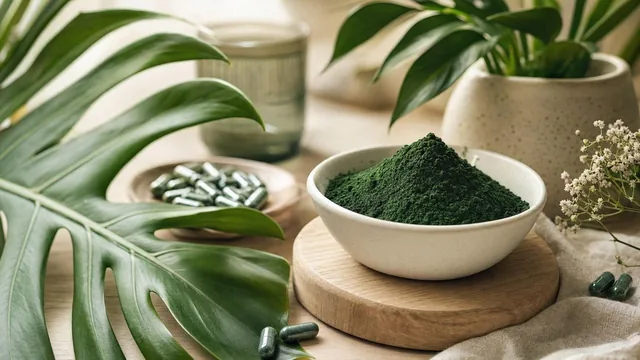
Spirulina is available in powder, tablet, and capsule form. Capsules offer the most convenient option without the strong taste. Start with 1-2 grams per day and work up to 3-5 grams. Quality matters — choose a product that is tested for contaminants, as spirulina can accumulate heavy metals if grown in polluted water.

How to Choose a Quality Spirulina Supplement

Quality control is especially important with spirulina because of how it is grown:

  • Heavy metal testing: Spirulina can accumulate heavy metals (lead, mercury, arsenic) if grown in contaminated water. Always choose a brand that provides third-party testing certificates for heavy metals and microcystins (a toxin produced by some blue-green algae).
  • Organic certification: Organic spirulina is grown without synthetic fertilisers or pesticides. While not strictly necessary, it provides an additional layer of quality assurance.
  • Phycocyanin content: This is the key antioxidant compound in spirulina. Premium products will state the phycocyanin percentage — look for at least 15–20% for meaningful antioxidant benefits.
  • Capsules vs. powder: Capsules are more convenient and avoid the strong, earthy taste that puts many people off spirulina powder. Tablets may contain binders that reduce absorption. If using powder, choose a product that dissolves easily without grittiness.
  • Origin: The best spirulina is typically grown in controlled environments (closed photobioreactors or clean open ponds) in regions with abundant sunlight. Look for clear labelling of the country of origin.

Who Should Consider Spirulina?

Spirulina supplementation may be particularly beneficial for:

  • Vegetarians and vegans seeking a complete protein source with all essential amino acids
  • Anyone looking to boost their daily nutrient intake without multiple supplements
  • People with elevated cholesterol who want a natural complementary approach
  • Those seeking additional antioxidant protection against environmental stressors
  • Athletes looking to improve endurance and reduce exercise-induced oxidative damage
  • Allergy sufferers — spirulina has shown promise for reducing allergic rhinitis symptoms
  • Anyone interested in natural detoxification support, as spirulina can bind to heavy metals

Daily Tips for Getting the Most from Spirulina

Start with a low dose (500 mg–1 gram) and increase gradually over a week to avoid any initial digestive adjustment. Spirulina pairs well with vitamin C — the combination enhances iron absorption from the spirulina. If using powder, blend it into smoothies with banana and mango to mask the taste. Take spirulina earlier in the day as some people find the B vitamins it contains can be mildly energising. Store your spirulina in a cool, dark place — light and heat degrade the phycocyanin content. For best results, take spirulina consistently for at least 4–8 weeks to allow the cumulative benefits to build.

Recommended for You

Spirulina — 120 Count

Spirulina — 120 Count

£12.99

Shop Now

This article is for informational purposes only and does not constitute medical advice. Vitadefence supplements are food supplements, not medicines. They should not be used as a substitute for a varied diet and a healthy lifestyle. Consult a healthcare professional if you are pregnant, breastfeeding, on medication, or have a medical condition.

Share

More from the journal