
Zinc: What It Does and Where to Find It
Contents
1 - Introduction
Zinc is a trace mineral. Zinc contributes to normal immune function, normal protein synthesis and normal DNA synthesis.
2 - Zinc and Your Immune System
Zinc is required for the development and function of immune cells including neutrophils, natural killer cells, and T-lymphocytes.
3 - Beyond Immunity
- Skin: zinc contributes to the maintenance of normal skin.
- Zinc contributes to the maintenance of normal testosterone levels in the blood.
- Zinc contributes to the maintenance of normal vision.
4 - Signs of Deficiency
If you think you may be low in zinc, speak to your GP. White spots on fingernails, while often attributed to zinc deficiency, are actually more commonly caused by minor nail trauma.
5 - Best Food Sources and Supplements
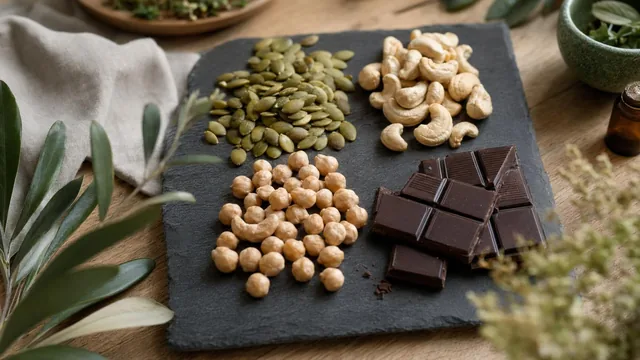
Rich food sources include oysters (the highest source), red meat, poultry, beans, nuts, and pumpkin seeds. The recommended daily intake is 9.5 mg for men and 7 mg for women.
Zinc supplements come in several forms. Zinc picolinate and zinc bisglycinate are well-absorbed. Zinc citrate is another good option. Zinc oxide, while cheap, has the poorest absorption. Don't take zinc on an empty stomach as it can cause nausea.
6 - How to Choose a Quality Zinc Supplement
The form of zinc in your supplement significantly affects how much your body actually absorbs:
- Zinc picolinate: zinc bound to picolinic acid.
- Zinc bisglycinate: A chelated form bound to the amino acid glycine. Excellent absorption and very gentle on the stomach. Ideal for people who experience nausea with other zinc forms.
- Zinc citrate: Good bioavailability and reasonably priced. A solid all-round option.
- Zinc acetate: a form often used in lozenges.
- Zinc oxide: a common, low-cost form.
Check the amount of zinc per capsule on the label. Long-term intake above 40 mg per day can interfere with copper absorption, so unless directed by a healthcare professional, stick within the recommended range.
7 - Who Should Consider Zinc Supplementation?
Zinc supplementation may be particularly beneficial for:
- Vegetarians and vegans, whose diets can be lower in zinc
- Older adults, as zinc absorption declines with age and dietary intake often drops
- Pregnant and breastfeeding women, who have increased zinc requirements
- Athletes who lose zinc through sweat during intense training
- Men (zinc contributes to the maintenance of normal testosterone levels in the blood)
8 - Daily Tips for Getting the Most from Zinc
Take zinc with food to avoid nausea — even well-absorbed forms can cause stomach upset on an empty stomach. Avoid taking zinc at the same time as iron, calcium, or copper supplements, as they compete for absorption. Space them at least 2 hours apart. If you take zinc long-term, consider adding a small amount of copper (1–2 mg) to prevent copper depletion. Food sources to complement your supplement include pumpkin seeds, cashews, chickpeas, dark chocolate, and eggs.
This article is for informational purposes only and does not constitute medical advice. Vitadefence supplements are food supplements, not medicines. They should not be used as a substitute for a varied diet and a healthy lifestyle. Consult a healthcare professional if you are pregnant, breastfeeding, on medication, or have a medical condition.