Showcase
Krill Oil and Omega-3: What Makes It Different
The little Antarctic shrimp that carries omega-3 in a different form to fish oil, plus the red pigment astaxanthin. What krill oil is, the authorised omega-3 claims, and the allergy to mind.
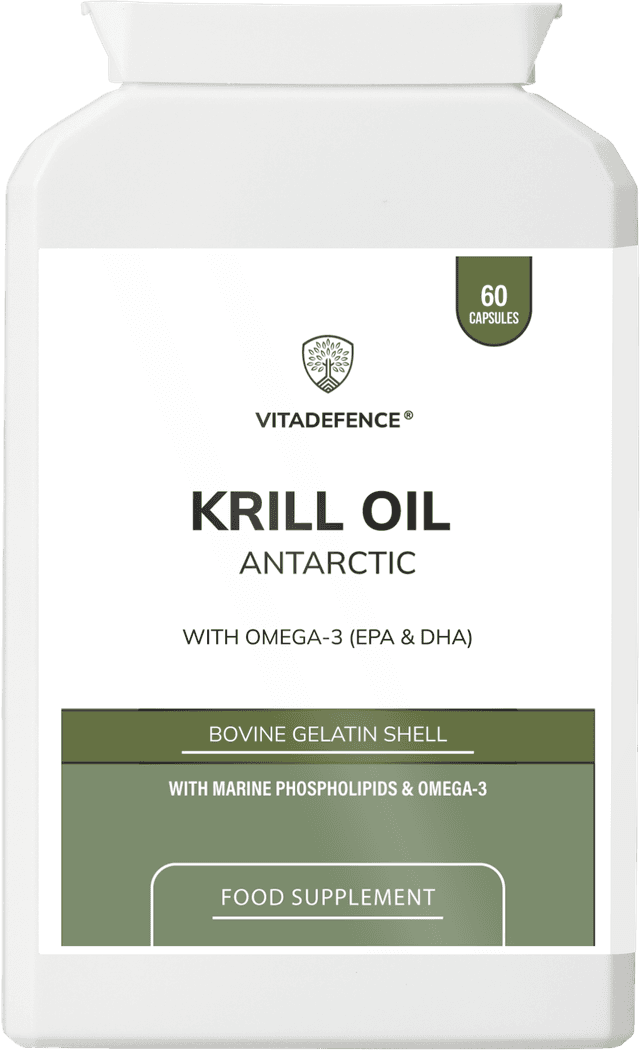
Krill oil comes from a creature most people have never seen: Antarctic krill, a small shrimp-like animal that swarms the Southern Ocean in vast clouds and sits near the bottom of the food chain. Like fish oil, it carries the omega-3 fats EPA and DHA - but in a slightly different form, which is the whole reason it exists as its own product.
The omega-3 part - what can honestly be said
EPA and DHA are the two long-chain omega-3 fats the body genuinely uses, and they carry real, authorised claims: DHA contributes to the maintenance of normal brain function and to the maintenance of normal vision (at a 250 mg daily intake of DHA), and EPA and DHA contribute to the normal function of the heart (at 250 mg a day). Those are the claims - clear, conditional, and true.
How krill differs from fish oil
In krill oil, the omega-3 is bound up with phospholipids rather than the triglyceride form in standard fish oil - the same form found in our own cell membranes. Krill also naturally carries astaxanthin, the red pigment that gives it (and salmon, and flamingos) their colour. Many people find krill easier on the stomach, without the fishy repeat.
The bottle, in your hand
A small soft capsule, once a day with food. A food supplement - it tops up the omega-3 a non-oily-fish diet tends to miss, alongside real meals.
Honest caveats
Allergy warning: krill is a crustacean - if you are allergic to shellfish, this is not for you (try an algae-based omega-3 instead, which is also the vegan route). If you are on blood-thinning medication or due surgery, omega-3 is worth flagging to your doctor. Pregnant or breastfeeding - ask your GP.
If you have read this far, thank you. A small polar shrimp, the omega-3 your diet often misses, told straight - allergy and all.
- Vitadefence
— Vitadefence