The Vitadefence Library
The story behind every formula
Plain-words deep-dives, ingredient by ingredient. Origin, traditional use, what it does, why it earns its place. 67 articles. One bottle each.
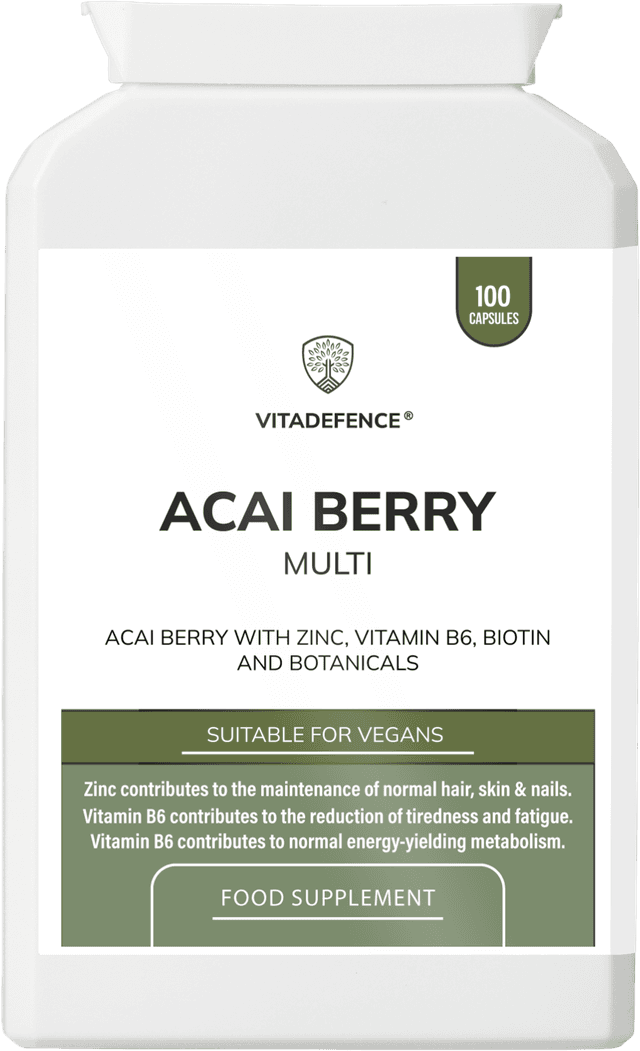
Acai Berry Multi — a forest fruit, ten quiet partners, and one daily ritual
Deep in the Amazon, a slender palm bends over the river and drops a fruit so dark it looks almost black. The Tupi people called it açaí — the fruit that cries water. We built a capsule around it, and around nine other plants and nutrients that have earned their place in the human story.
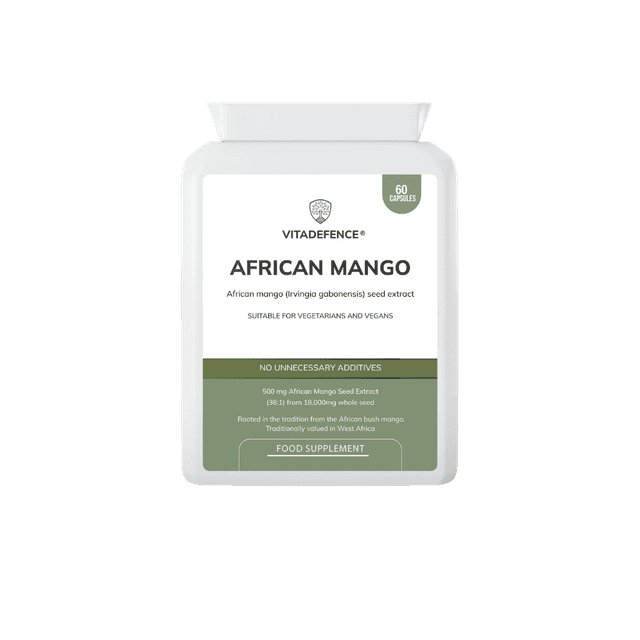
African Mango — a forest seed from Cameroon, eaten for a thousand years, milled into a capsule
In the rainforests of West and Central Africa, the dika tree drops a fruit that looks like a small green mango. The flesh is fine. The real prize is the seed inside — bitter, fatty, and treated by the local kitchen as both food and medicine. We milled it into a capsule. This is its story.
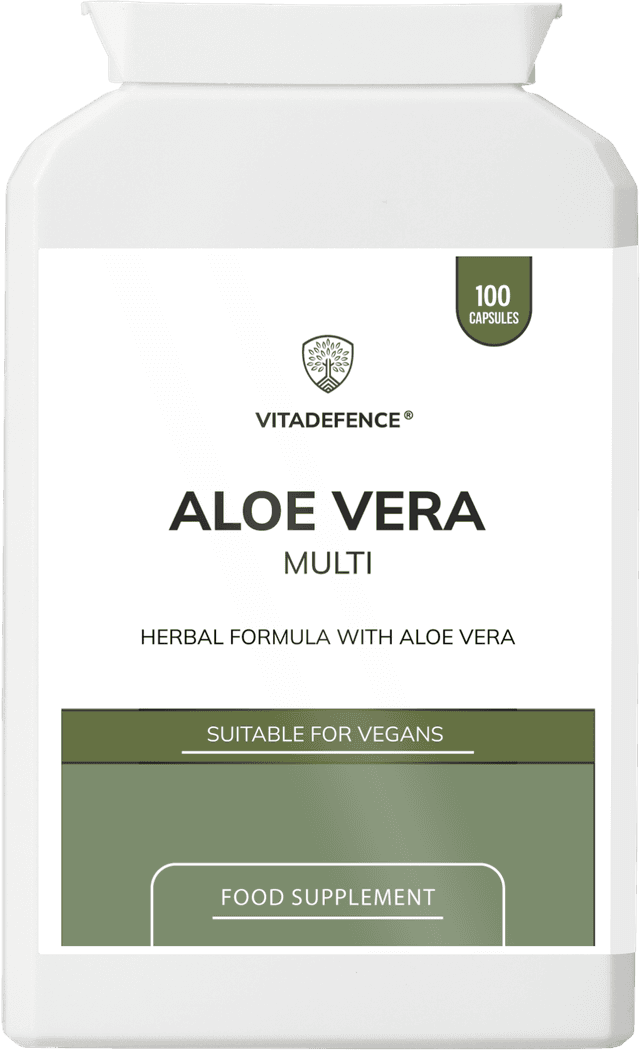
Aloe Vera Capsules — a desert leaf, ten kitchen botanicals, and a quieter inside
On the dry hills of the Arabian peninsula, a thick green leaf has soothed human stomachs for five thousand years. Around it we built a quiet kitchen-cabinet of ten old plants — the rhubarb, the ginger, the fennel, the dandelion — that grandmothers across Europe and Asia have reached for after a heavy meal.
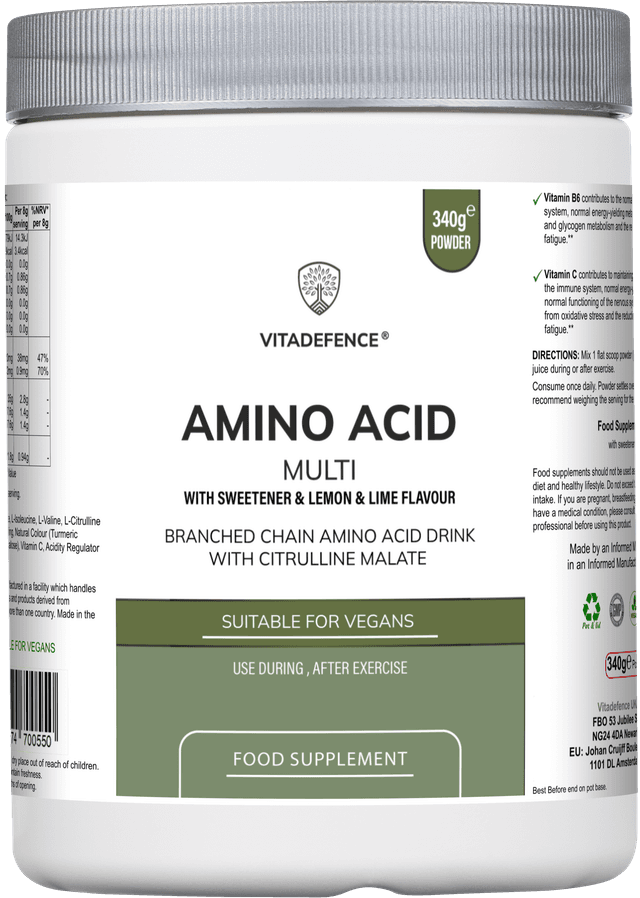
Amino Acid Multi — the three building blocks of muscle, dissolved in a glass of lemon and lime
Inside every muscle in your body sits the same trio of amino acids: leucine, isoleucine, valine. Together they're called BCAAs. We blended a meaningful dose of all three with citrulline malate, vitamin C, and vitamin B6 — and made it taste like a cold lemonade on a summer afternoon.
Apple Cider Multi — the kitchen vinegar you grew up smelling, with six warming companions
Cloudy, golden, sour as a Yorkshire morning, apple cider vinegar has lived in British kitchens since orchards covered the south of the country. We dried it into a powder, paired it with chromium and six warming kitchen botanicals, and put the whole thing in a vegan capsule that doesn't taste of vinegar at all.
Apple Cider Vinegar: What It Is, and What We Won't Claim
Fermented apple juice with 'the mother' - a kitchen staple turned supplement. The honest story of what apple cider vinegar is, where it comes from, and the claims we refuse to make.
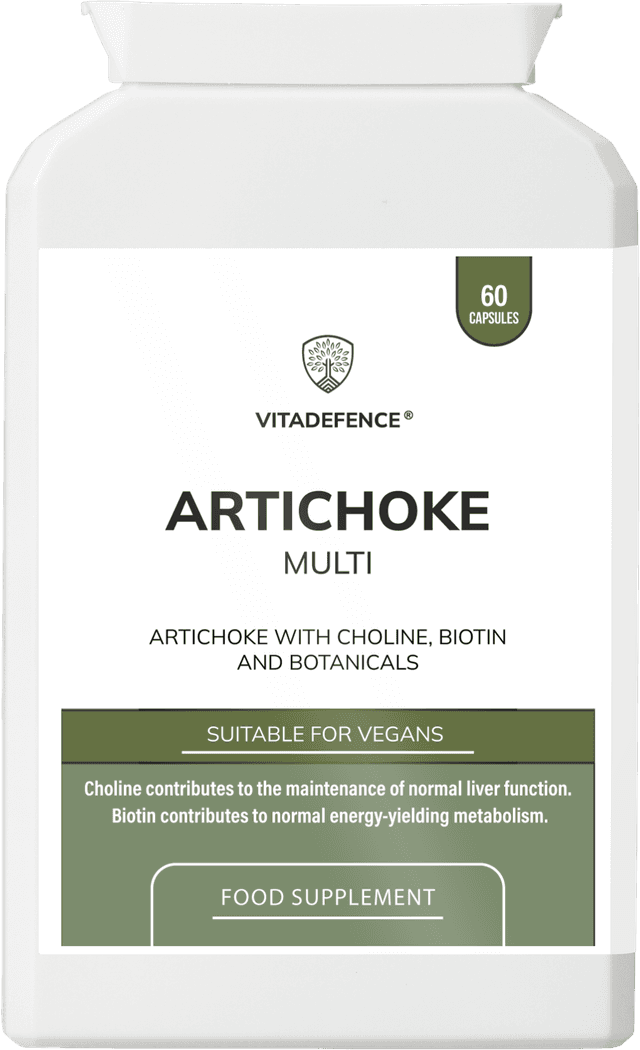
Artichoke Multi — the great green flower-bud and the bitter principle
On the limestone hillsides of Sicily, a thistle the height of a man flowers in deep purple. The Romans cut its tight green buds and ate them with garum and pepper, and noticed something the modern label can no longer say plainly. We built a capsule around the artichoke, and around twelve other plants and nutrients that have earned their place in the slow story of looking after a working liver.
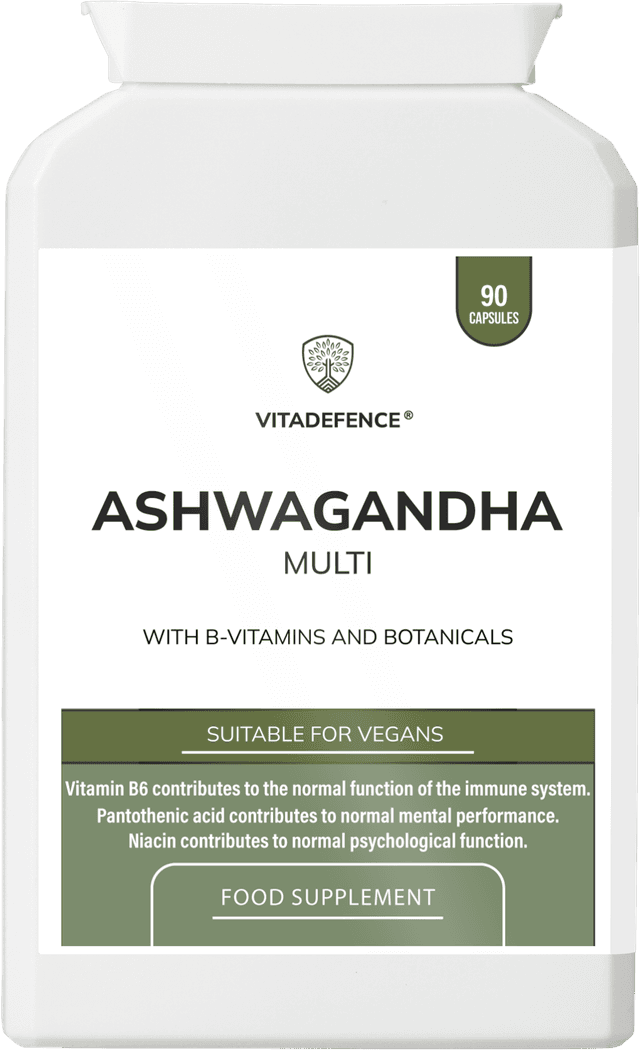
Ashwagandha Capsules — the smell of the horse, the calm of the still pool
On the dry plains of Rajasthan, a small woody nightshade with hairy leaves and red berries grows where almost nothing else will. The Sanskrit physicians called it ashwagandha — the smell of the horse — and they meant strength. We built a capsule around it, and around twelve other roots, mushrooms, and B-vitamins that have earned their place in the long story of staying steady under pressure.
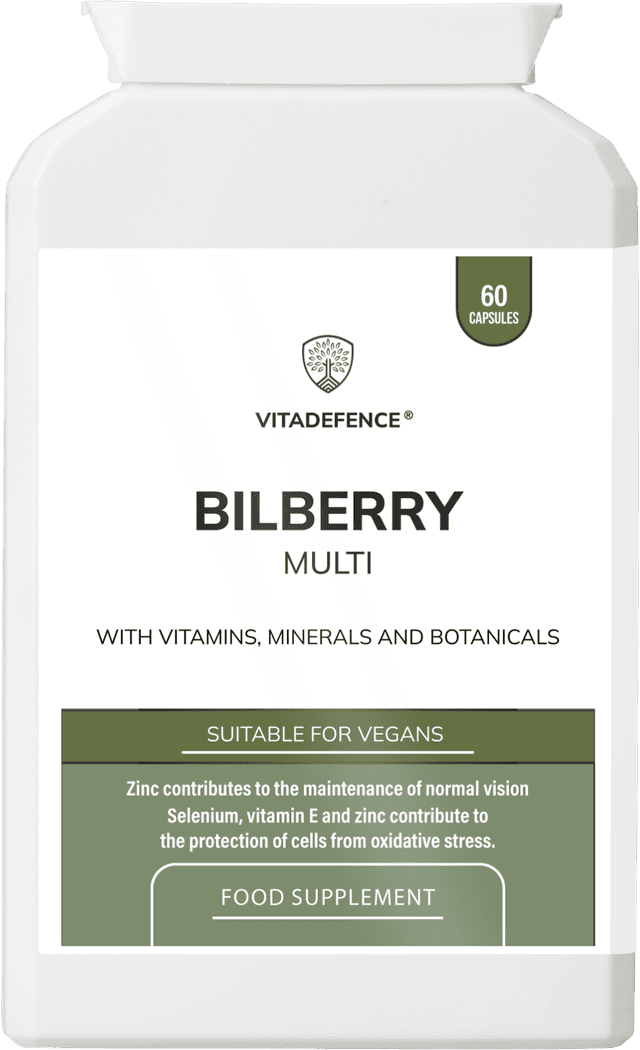
Bilberry Multi — the small dark berry of the northern moor and the colour of seeing
On the Yorkshire moors and the Highland heath, a low-growing relative of the blueberry hides a fruit so dark it stains your fingers black. RAF pilots in the Second World War swore by bilberry jam. We built a capsule around it, and around eleven other plants and nutrients that have earned their place in the long story of looking after eyes that spend too long in front of a screen.
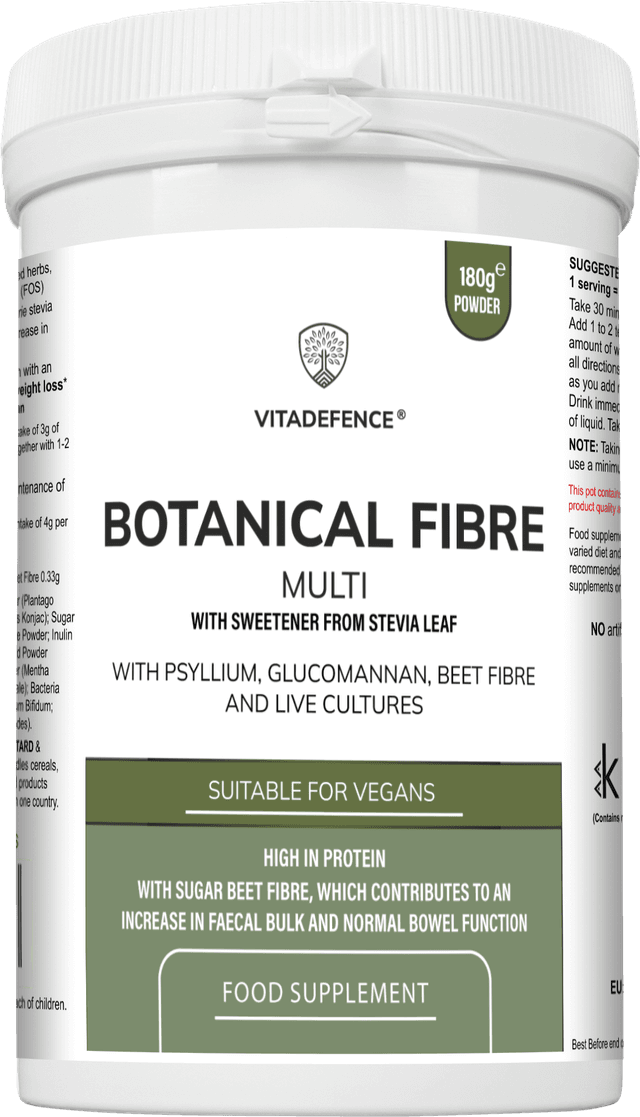
Botanical Fibre Multi — the powder you stir into water and the gut that thanks you for it
On the dry plains of Gujarat, a small pinkish flower drops a tiny seed wrapped in a translucent husk that swells in water to the size of a tadpole. The Hindi name is *isabgol* — the horse's ear — for the shape of the husk. We built a powder around it, and around eight other plants and live cultures that have earned their place in the long story of looking after a working gut.
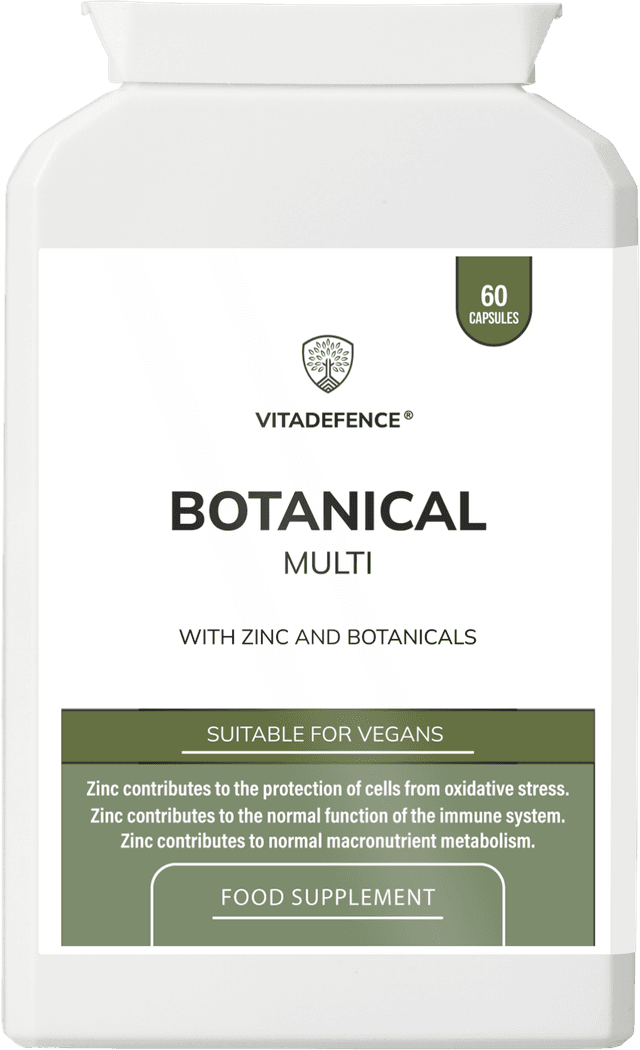
Botanical Multi — the desert succulent and the kitchen-spice rack
On the rocky shores of the Arabian peninsula, a thick-leaved succulent stores cool water in fleshy spikes that the desert nomads have used for three thousand years. We built a capsule around aloe vera, and around fourteen other plants, minerals, and live cultures that have earned their place in the long story of looking after a working gut.
Chlorella vs Spirulina: What's the Difference, in Plain English
Two green powders, often shelved side by side, frequently confused. One is a true algae with a tough cell wall; one is a cyanobacterium the Aztecs scooped off a lake. Here's the honest difference.
Collagen and Vitamin C: Why They Belong Together
Collagen is the body's most abundant structural protein - and vitamin C is the nutrient with the genuine, authorised role in making it. Here's the honest science, and why we pair them.
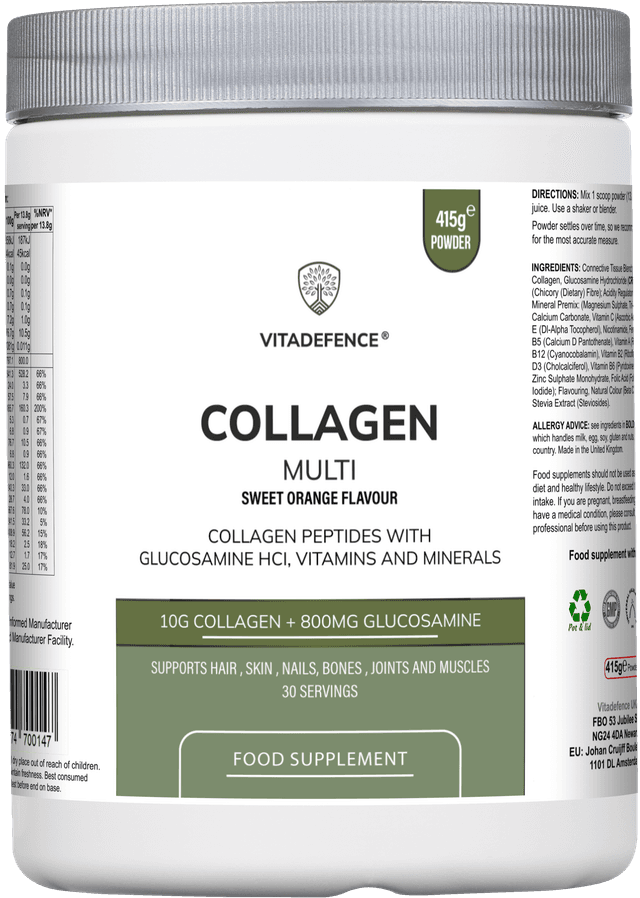
Collagen Multi — the orange shake your knees know about
By forty, your body has already started making less of the one protein that holds it together. Collagen is the scaffolding under your skin, the rope inside your tendons, the cushion in your knees. We built this orange-flavoured powder around 11g of bovine collagen, glucosamine, and a full premix of vitamins and minerals — one scoop, one shake, thirty mornings.
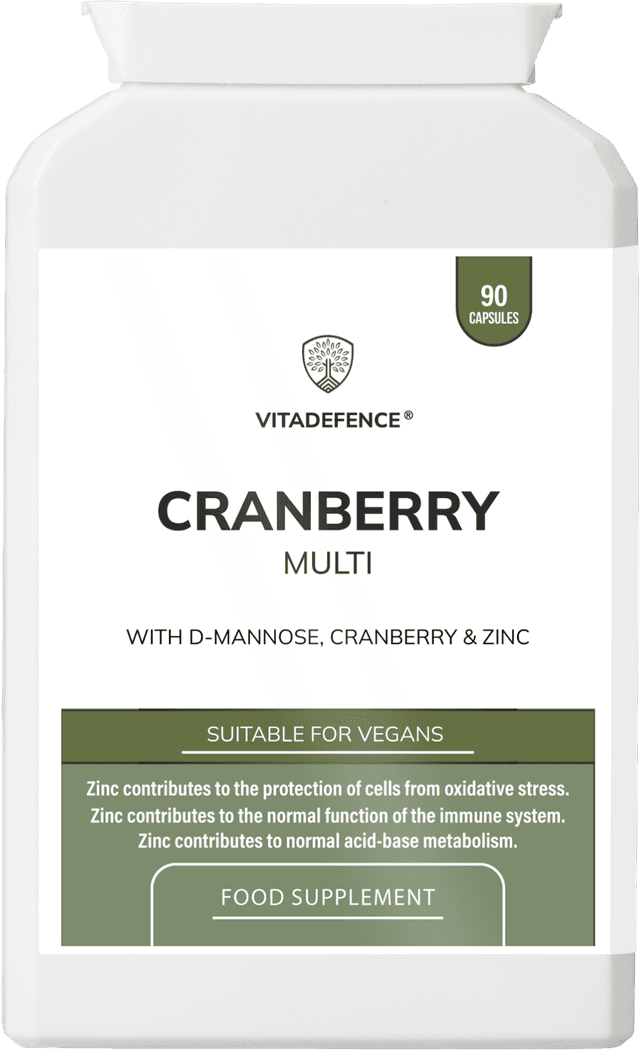
Cranberry Multi — the small red berry of the New England bog
Long before cranberry became a Thanksgiving sauce, the Wampanoag people of coastal Massachusetts called it sasumuneash and packed it into pemmican for winter journeys. We built this capsule around 2,160mg of cranberry extract, 900mg of D-mannose, and a small chorus of botanicals that have shared a kitchen drawer with cranberry for three centuries.
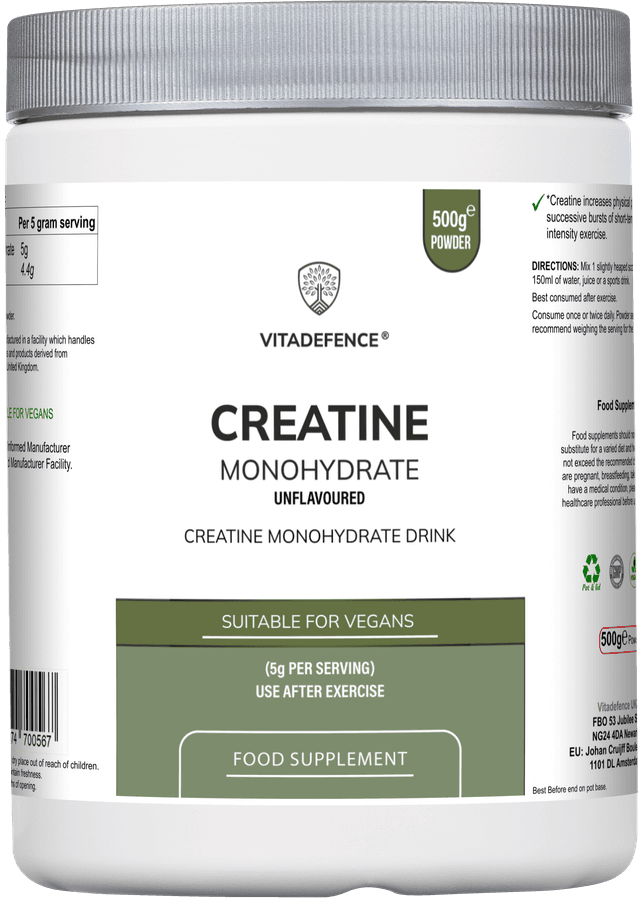
Creatine Monohydrate — the most studied molecule in the gym, on its own
Creatine is the white powder you'll find in the kit bag of nearly every serious lifter, sprinter and rugby pro on earth. It's also one of the most studied compounds in human nutrition, with several hundred trials behind it. We sell it the way it actually wins — pure, unflavoured monohydrate, 5g a serving, 100 servings to a tub. No fillers. No flavour. No fuss.
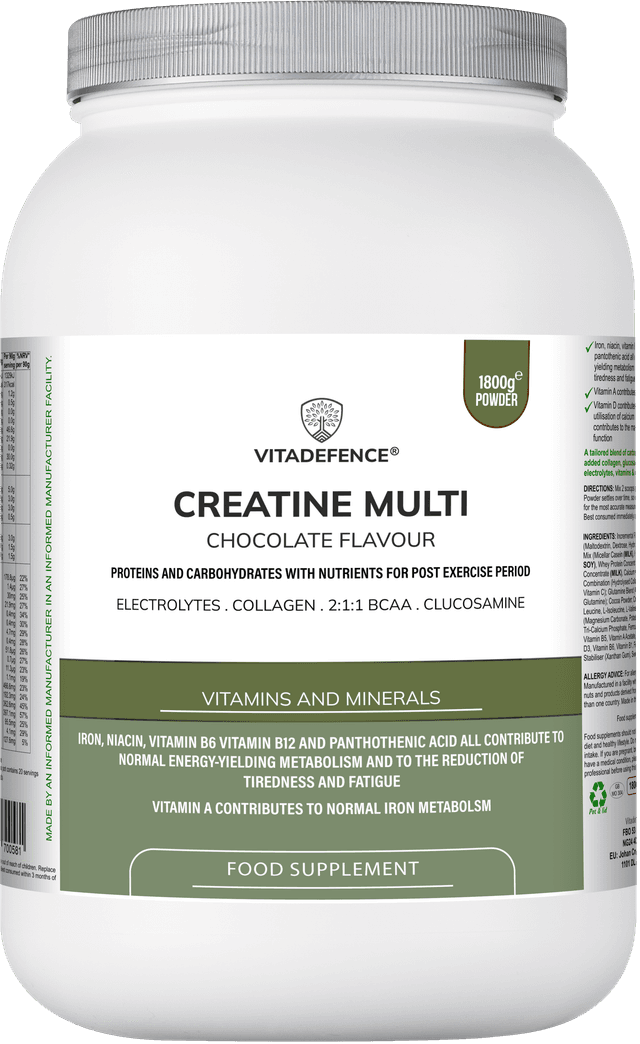
Creatine Multi — the chocolate shake at the end of the session
When you've finished a hard hour in the gym, your body has a forty-minute window to take in the things it just spent. Protein for the fibres you tore, carbohydrate to refill the glycogen, creatine for the next time, electrolytes for what you sweated, glutamine for the gut, vitamins for the rest. We built the chocolate shake at the end of that hour around all of it — twenty servings, one scoop, mixed in water, drunk on the bench.
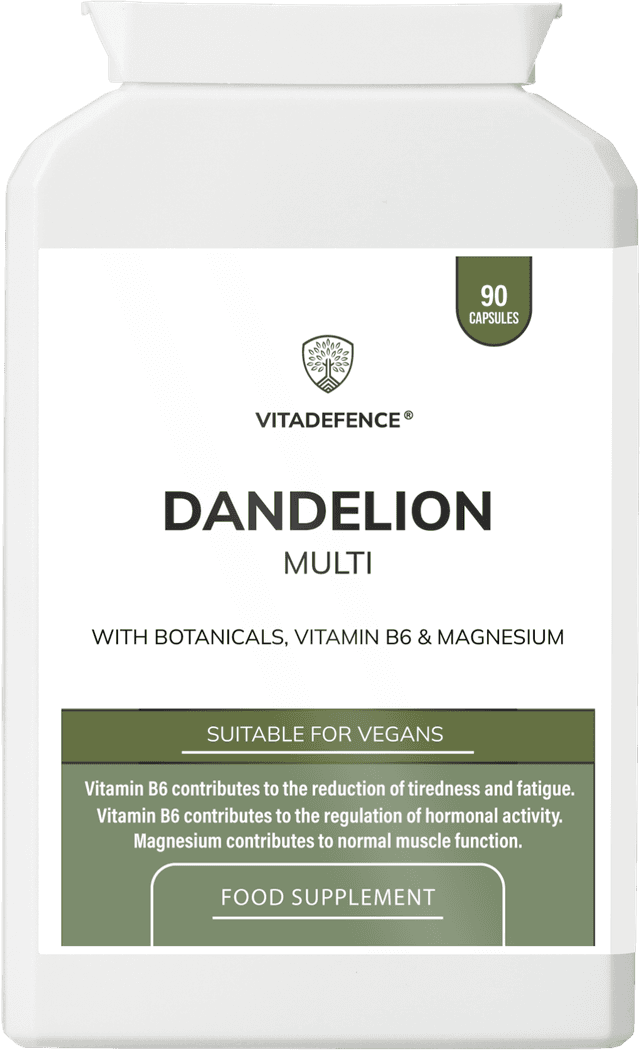
Dandelion Multi — the weed in your lawn that the apothecaries used to charge for
Long before dandelion was the yellow thing your dad pulled out of the lawn, it was a kitchen vegetable, a coffee substitute, and one of the most respected liver and kidney plants in European herbal medicine. We built this capsule around 320mg of dandelion root and a quiet chorus of other green-and-bitter botanicals that any French grandmother would have recognised on the windowsill.
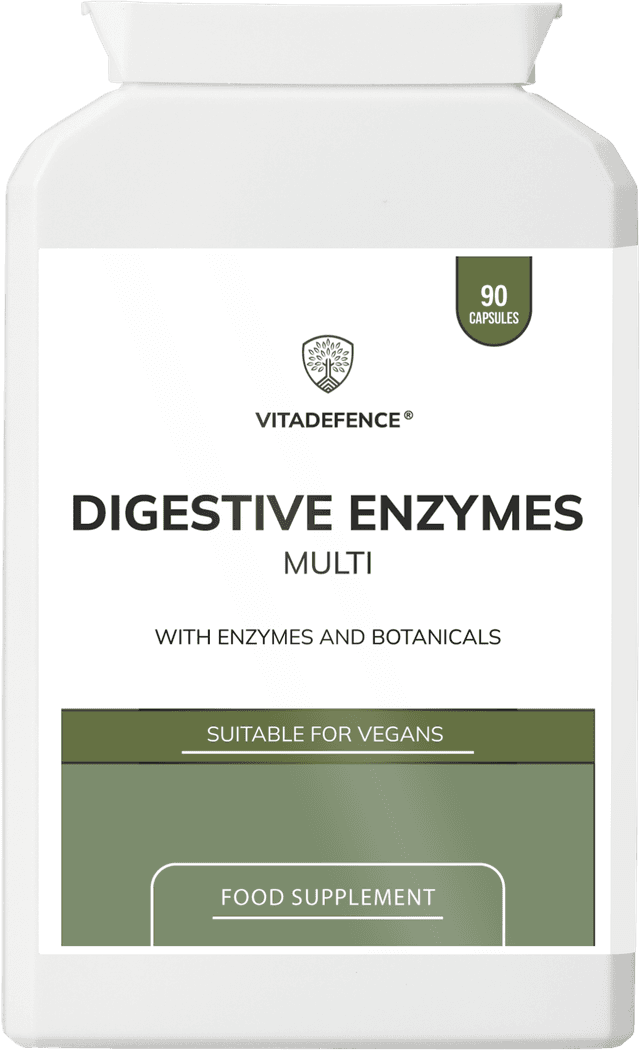
Digestive Enzyme Multi
A turmeric-led digestive blend with apple cider vinegar, fennel, peppermint, ginger and a six-enzyme spectrum — built for the meal that sits a little heavier than it should.
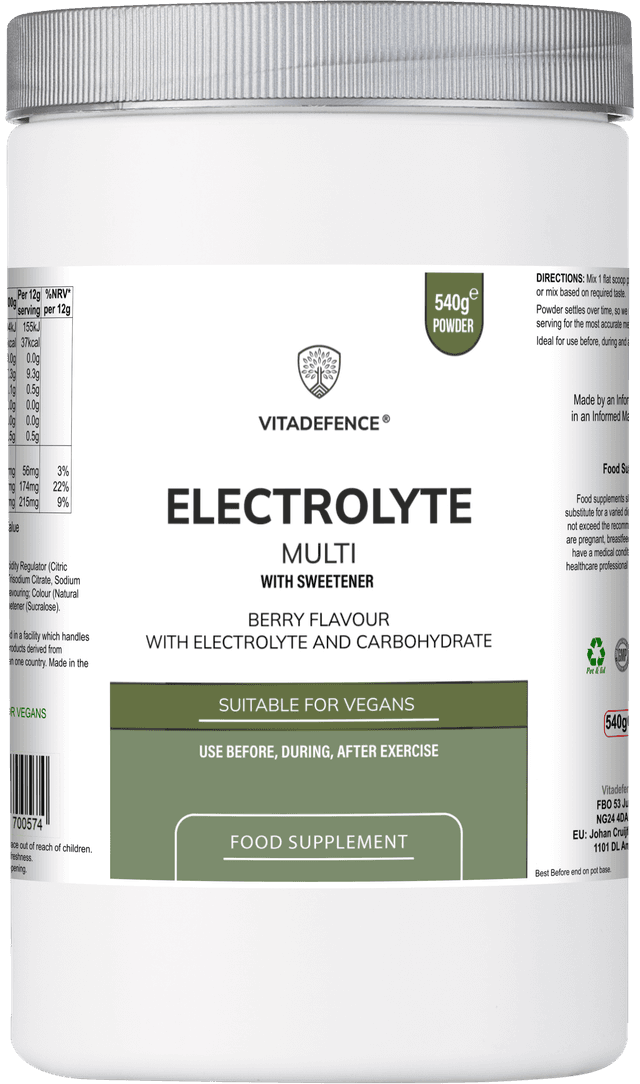
Electrolyte Multi
A clean berry-flavoured electrolyte powder — sodium, potassium, chloride. The three minerals your body loses through sweat, all in one scoop, in the proportions that matter.
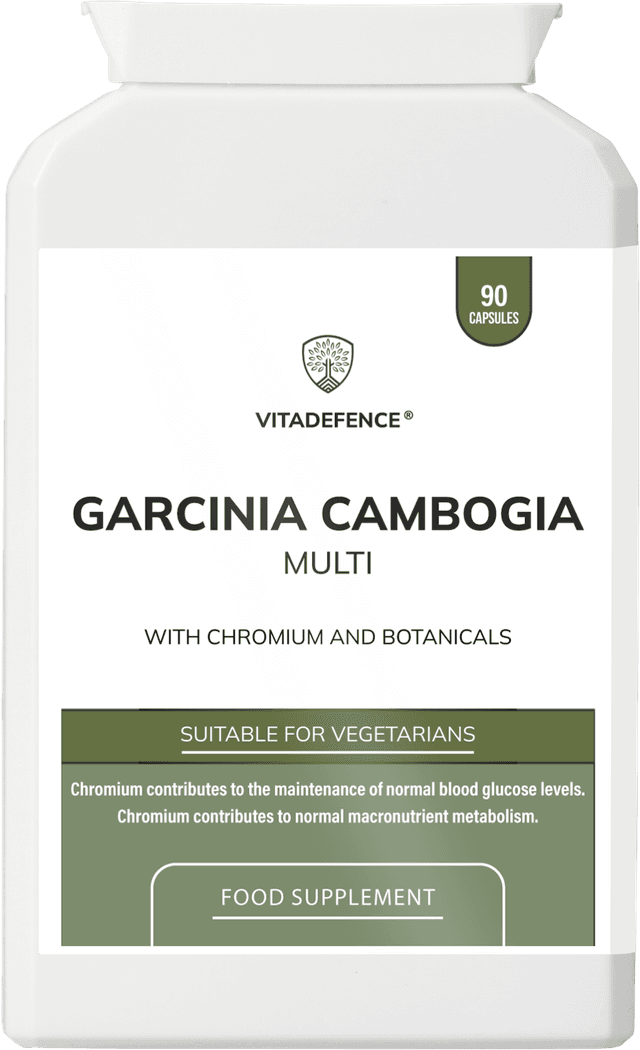
Garcinia Cambogia Multi
Before garcinia became a wellness headline it was a souring spice in a South Indian fish curry — kokum, Malabar tamarind, the bright-tart rind that anchors a coastal kitchen. This is its honest story.
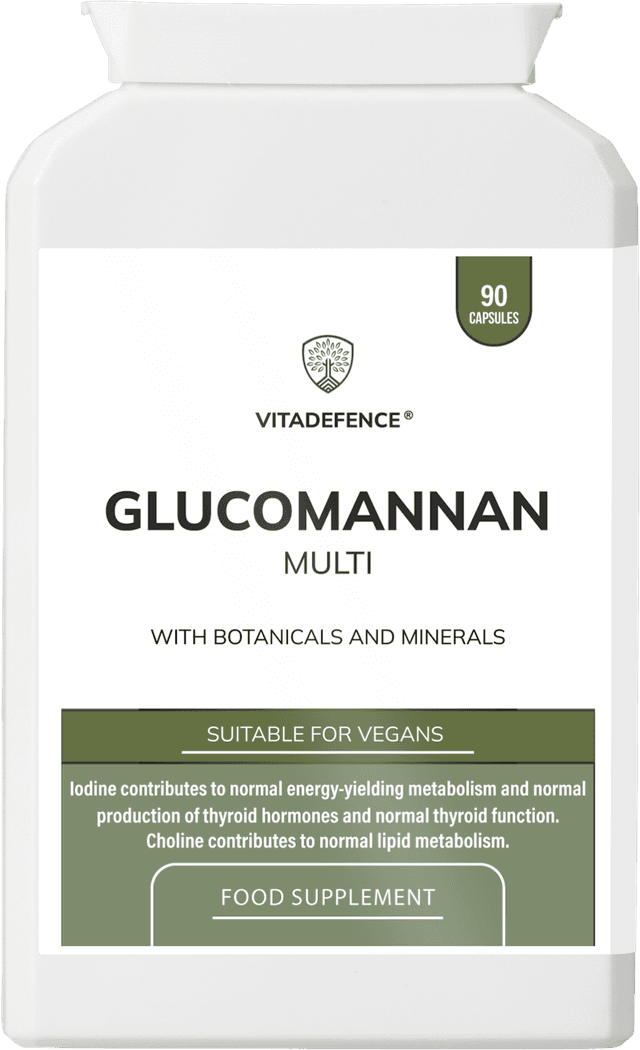
Glucomannan Multi
A fibre-led capsule built around konjac glucomannan and green tea, with raspberry, Siberian ginseng and African mango. The Japanese root that has anchored noodle bowls for fifteen hundred years.
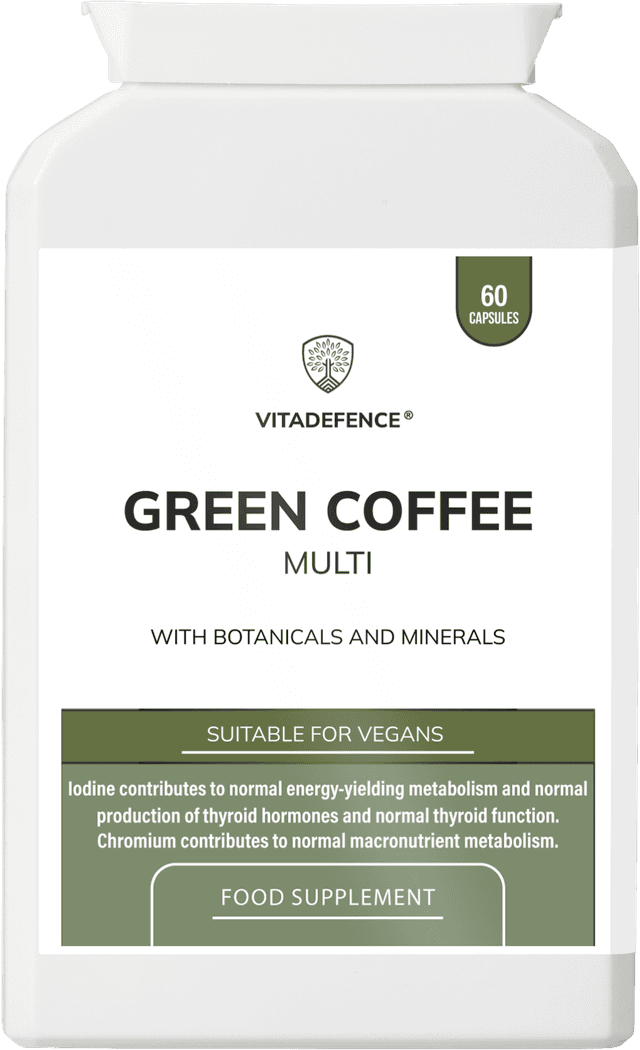
Green Coffee Multi
The coffee bean before it was roasted — high in chlorogenic acid, with cinnamon, kelp and cayenne alongside. The plant story behind a substantial 8000mg green coffee equivalent dose.
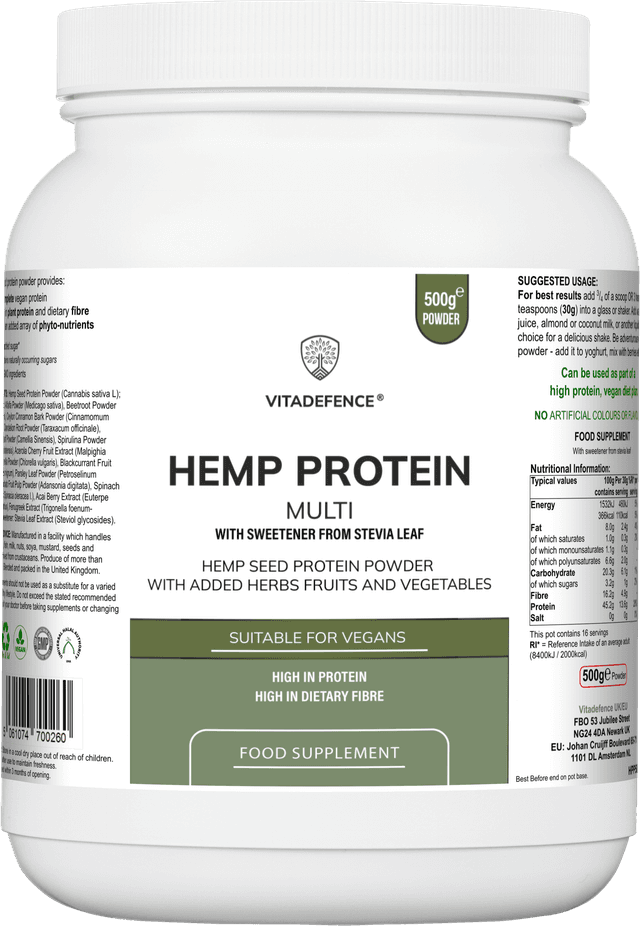
Hemp Protein Multi
A 500g pot of cold-milled hemp seed, quietly blended with thirteen real-food plants. Not chocolate-flavoured whey. Not a shake-bro pitch. Just protein the way the seed grew it.
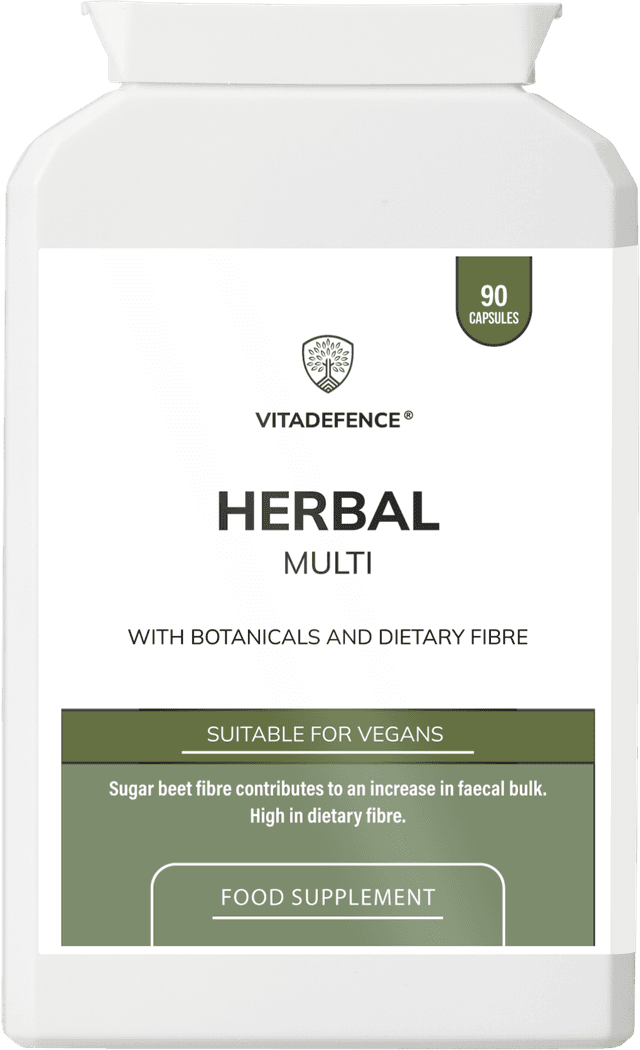
Herbal Multi
Ten plants in a small capsule, in the tradition of British and Chinese apothecary medicine. Fibre, bitter roots, warming pepper. The kind of formula your grandmother would have recognised.
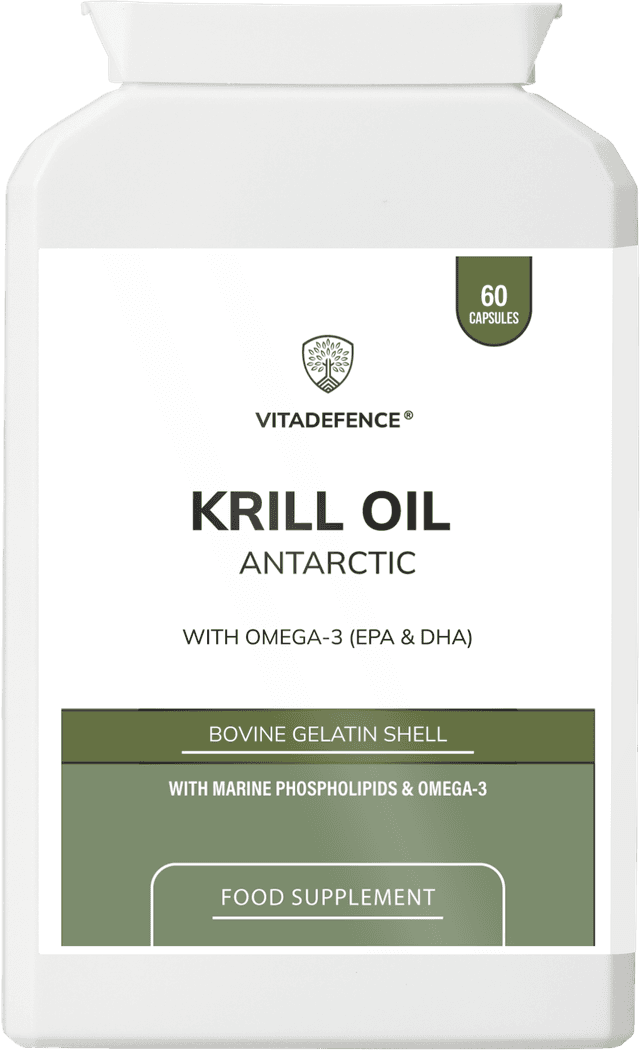
Krill Oil and Omega-3: What Makes It Different
The little Antarctic shrimp that carries omega-3 in a different form to fish oil, plus the red pigment astaxanthin. What krill oil is, the authorised omega-3 claims, and the allergy to mind.
Krill Oil Antarctic
A small red softgel from the cleanest sea on Earth. The story isn't the EPA. The story is the source — a fishery managed under treaty, a species at the bottom of a clean food chain, and a phospholipid carrier the body recognises.
L-Glutamine
Pure glutamine in a capsule — the discreet, exact-dose, travel-friendly version. Same amino acid as the powder, but in a small white tablet you can carry in your wash bag.
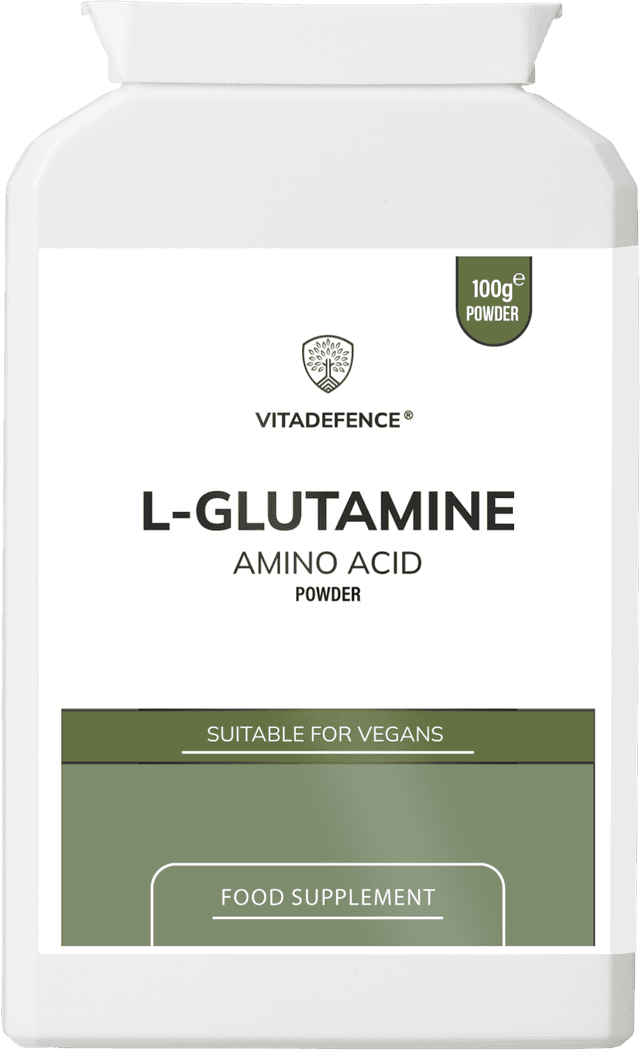
L-Glutamine Powder
The same amino acid as the capsule, in a 100g pot you measure by the spoon. The post-training scoop, the smoothie addition, the morning-coffee stir-in. Flexibility for people who already have a kitchen ritual.
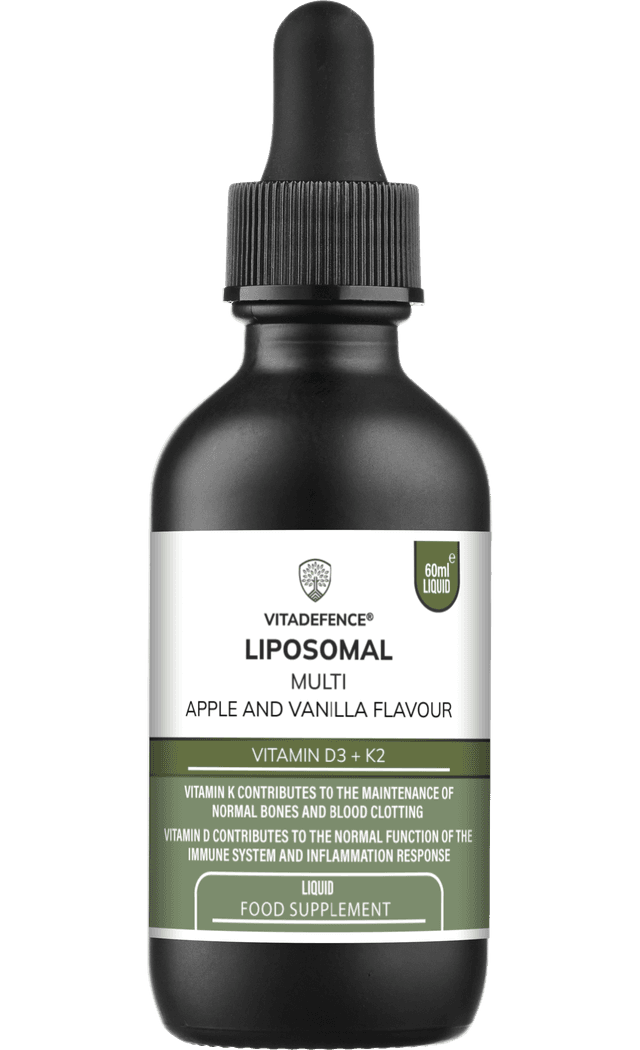
Liposomal Vitamin D: What 'Liposomal' Actually Means
Vitamin D3 with K2, wrapped in tiny phospholipid spheres - the 'liposomal' part. What that word means, why the British winter makes vitamin D matter, and how we made ours.
Liposomal Vitamin D3 & K2
A small bottle and a glass dropper. Apple-vanilla flavoured liposomal drops carrying vitamin D3 from algae and vitamin K2 as MK-7, in sunflower phospholipid spheres designed to slip past the gut wall the way nature intended.
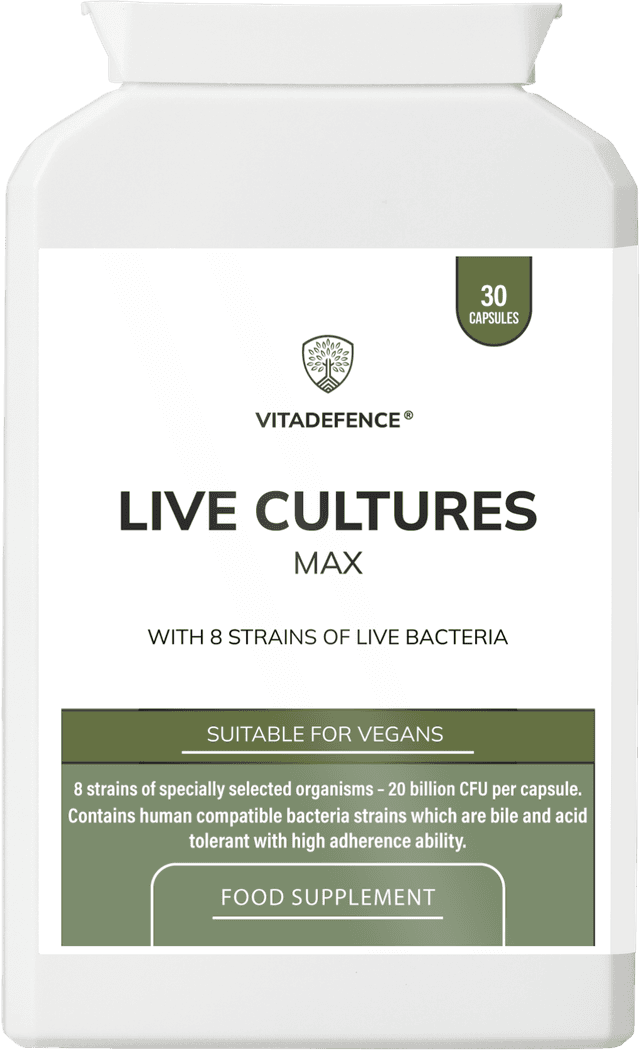
Live Cultures Max
Twenty billion live organisms per capsule, eight strains, one month at intensive strength. The bottle for the gut reset, the antibiotic recovery, the long-haul travel rebuild. The big sister to our daily Live Cultures Multi.
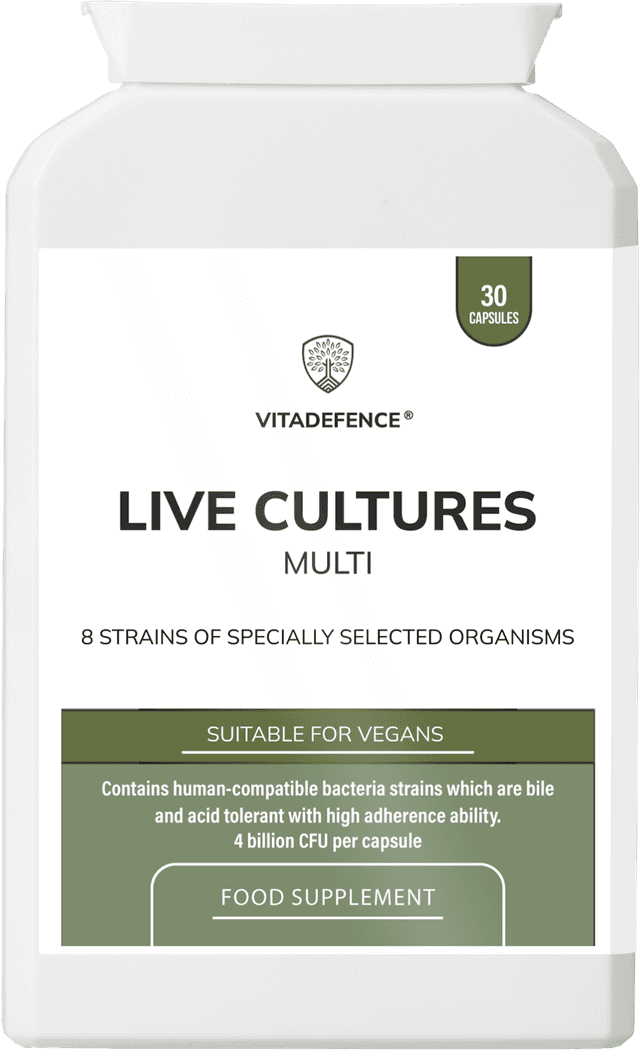
Live Cultures Multi
Four billion live organisms per capsule, eight strains, one capsule a day. The everyday probiotic — for the steady kitchen, the ordinary diet, the long quiet maintenance of a healthy gut.
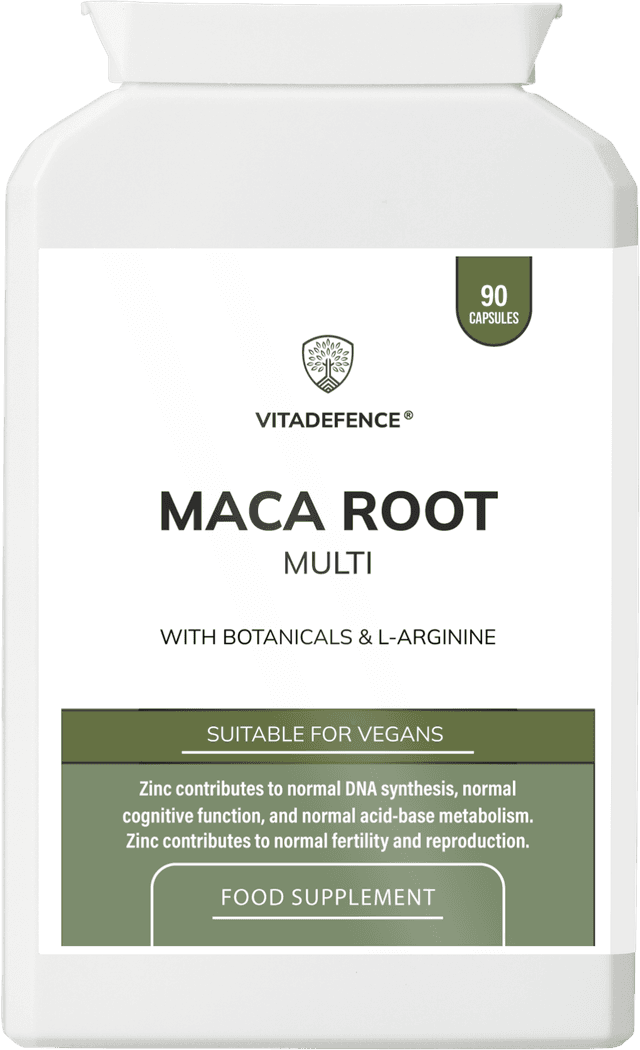
Maca Root Multi
Three thousand milligrams of Peruvian maca extract, alongside ginkgo, panax ginseng, ginger, damiana and L-arginine, finished with 50% NRV zinc. The Quechua mountain root that has fed thirteen thousand feet of Andes for two thousand years.
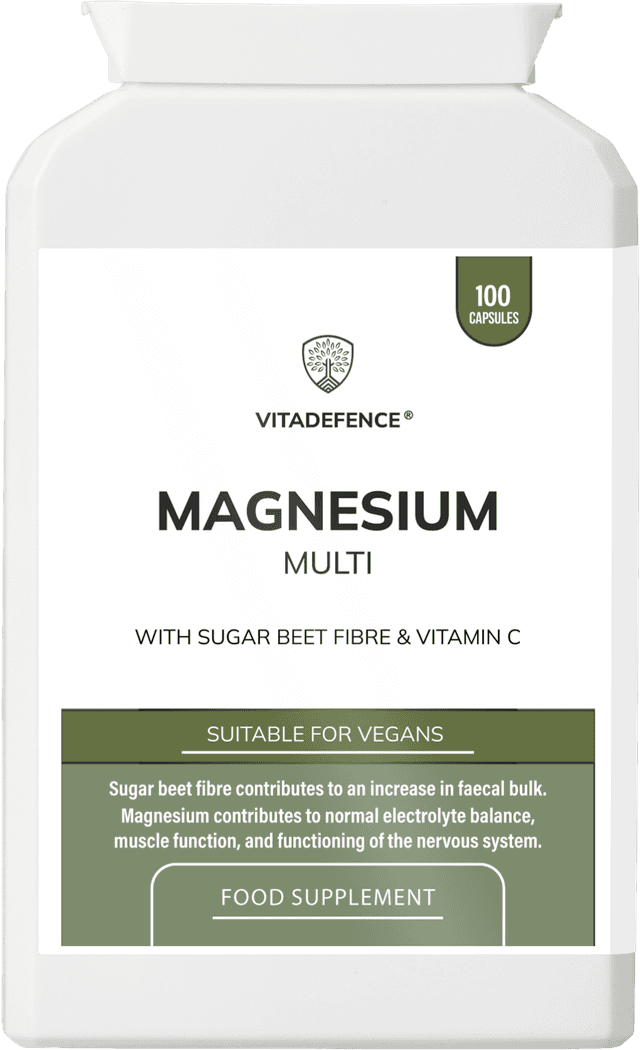
Magnesium Multi
Four forms of magnesium — citrate, oxide, hydroxide, sulphate — delivering 498mg per serving, alongside vitamin C, citrus bioflavonoids, sugar beet fibre and apple cider vinegar. The mineral the modern soil and the modern table both keep losing.
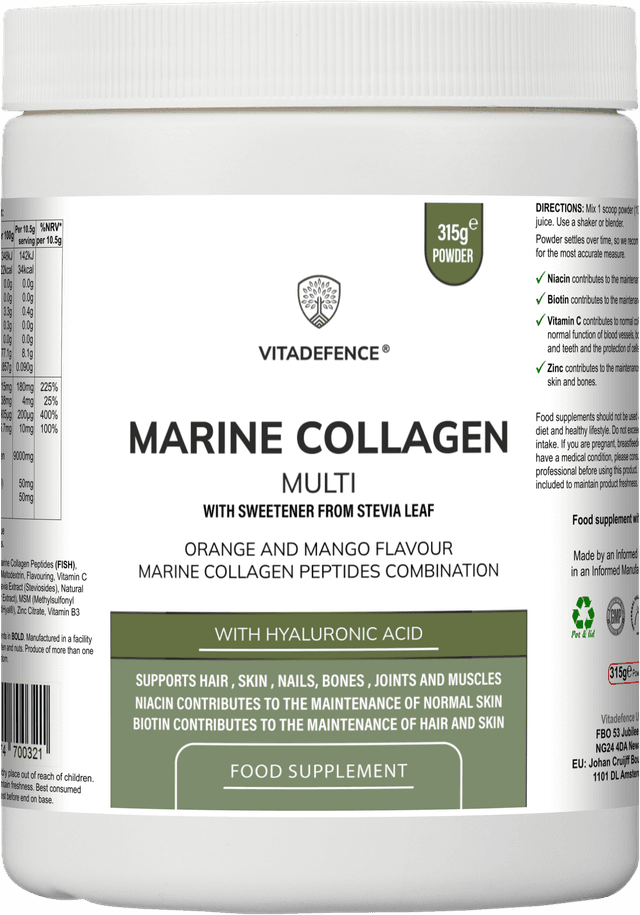
Marine Collagen Multi
A protein your body has been making since you were born — and the quiet ingredients we put alongside it.
Montmorency
One cherry. One capsule. The quiet end of the day.
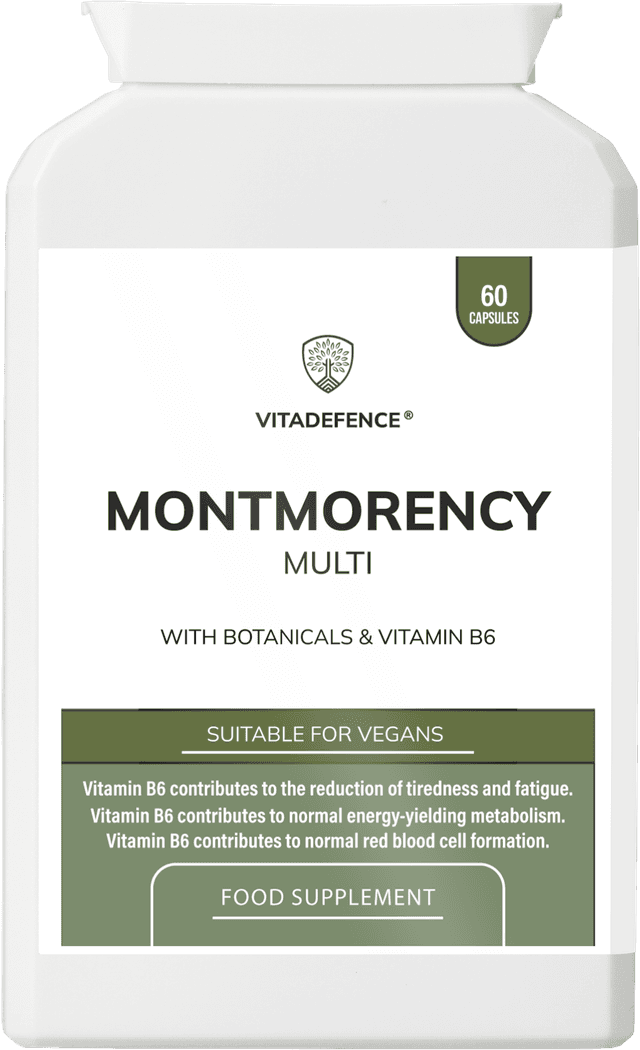
Montmorency Multi
The same Montmorency cherry — but with three daytime partners and a different ritual.
Moringa Oleifera
A tree that grows in poor soil, feeds whole villages, and lives up to two of its names: the drumstick, and the never-die.
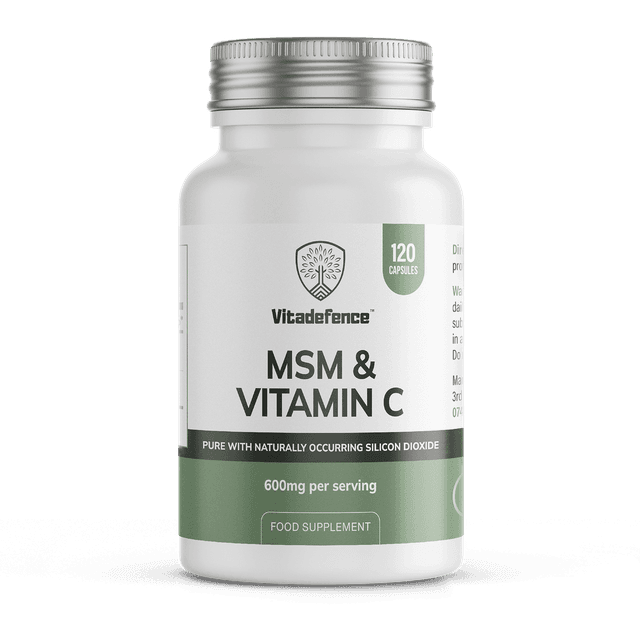
MSM or Glucosamine? What Each One Actually Is
Two of the most-searched supplement words, often bought together, rarely explained. One is a source of dietary sulphur; one is an aminosugar. Here is what each is — and what we will and won't claim.
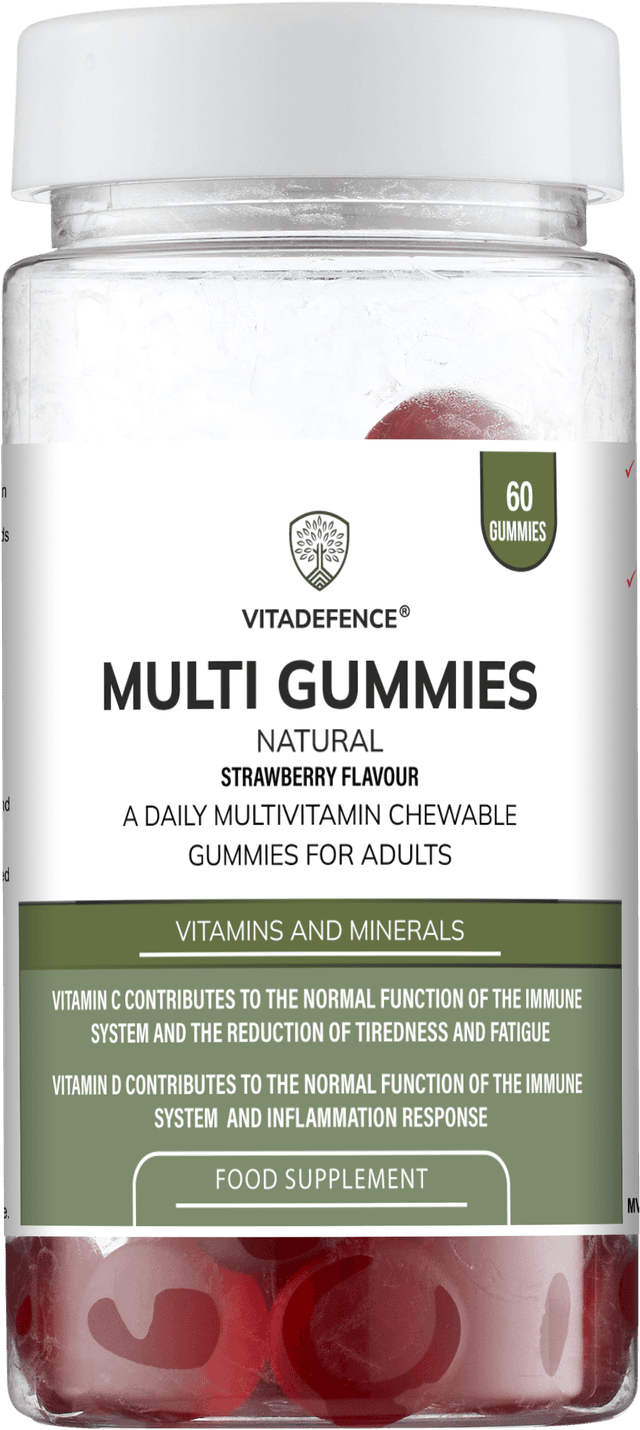
Multi Gummies
A rare format pivot for us — twelve essential nutrients in a chewable gummy, for the people who never quite get on with capsules.
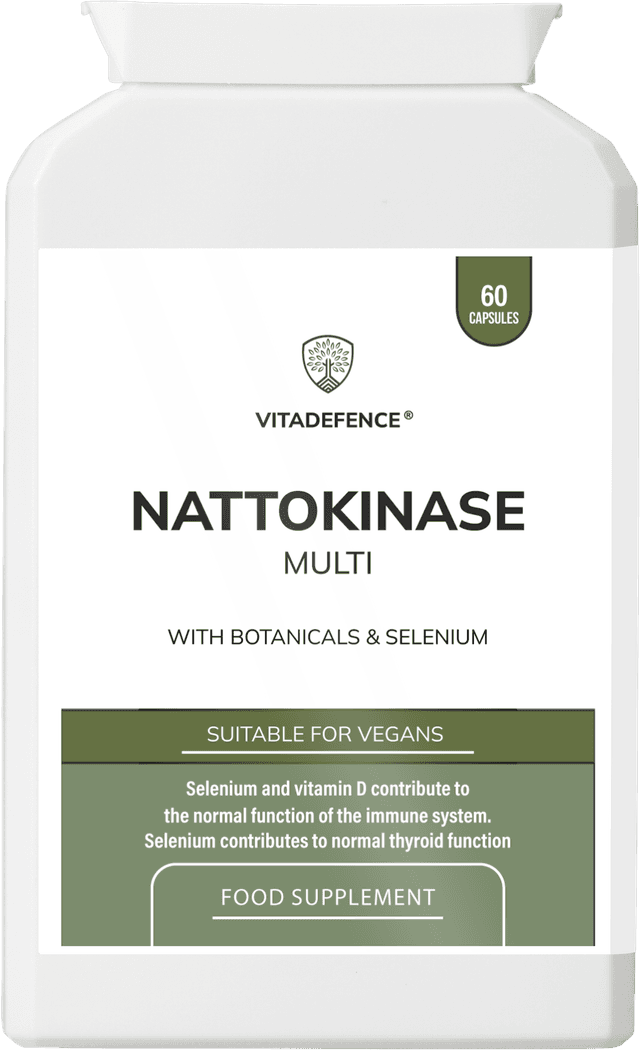
Nattokinase Multi — a sumo wrestler, a fermented bean, and a circulation story
In a Tokyo lab in the 1980s, a Japanese researcher dropped a piece of sticky breakfast natto onto a Petri dish — and watched something dissolve. Forty years later, the enzyme he isolated has crossed the Pacific. We've blended it with eight quiet partners and put it in a vegan capsule.
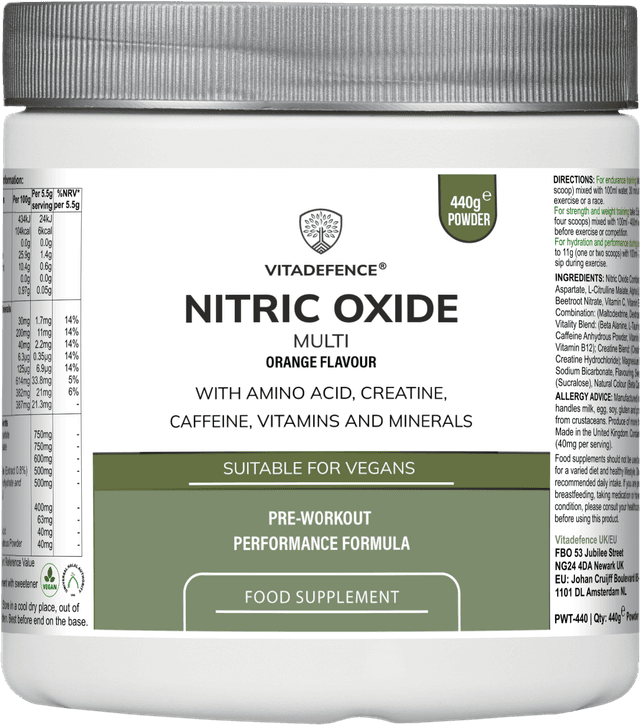
Nitric Oxide Multi — what your body already makes, and the partners that help it
Nitric oxide is one of the smallest molecules your body makes — three atoms — and one of the most quietly important. We didn't try to give you the molecule itself. We gave you the raw materials, the same ones in beetroot, watermelon, and a salad your grandmother would recognise.
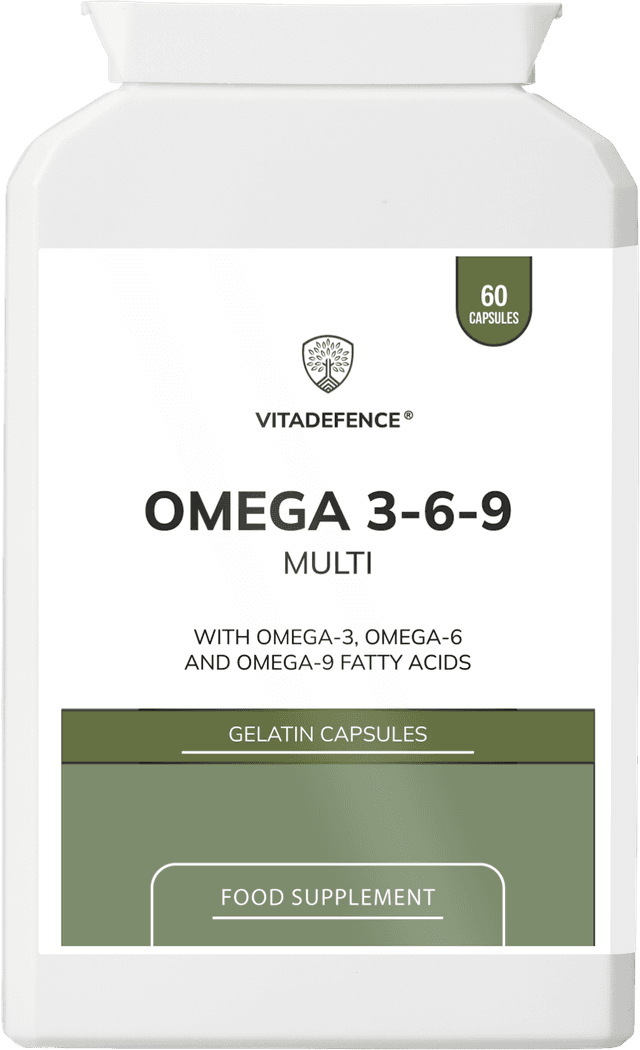
Omega 3-6-9 Multi — three fats, one bottle, the balance the modern plate forgot
The modern shopping basket is heavy in one essential fat and light in another. Sunflower oil, soya oil, vegetable shortenings and seed-fed meat all push the same omega-6 family. The dark green leaves, the small oily fish, the wild greens — the omega-3 side of the plate — have quietly drifted off. This bottle is one small attempt to put it back.
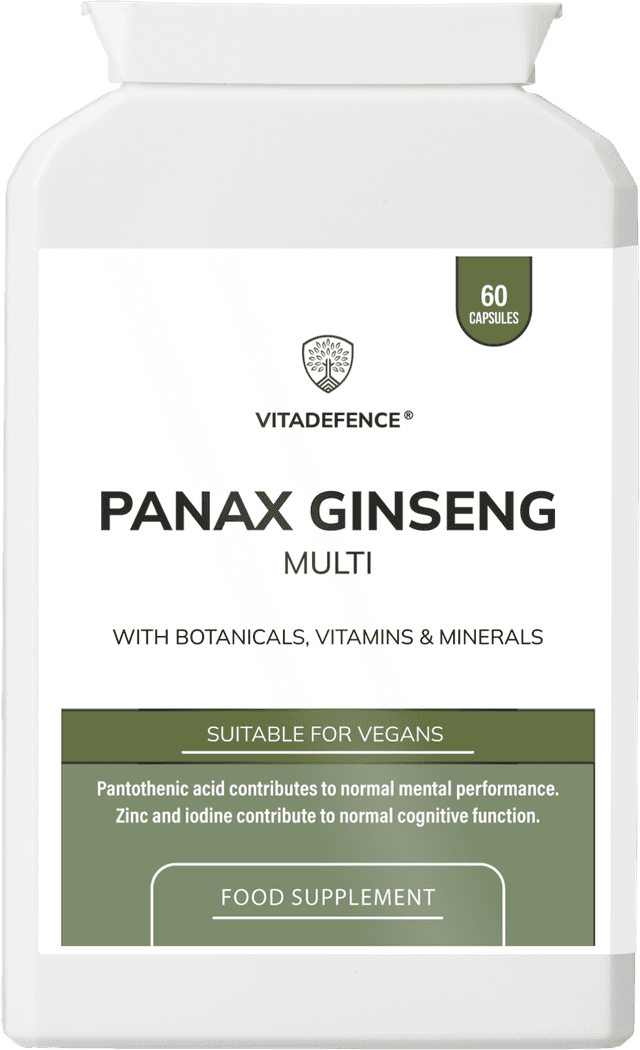
Panax Ginseng Multi — the man-shaped root, fifteen quiet partners, one daily focus ritual
Five thousand years ago, in the mountain forests of Manchuria and Korea, a forager dug up a root that looked uncannily like a small human body — two arms, two legs, sometimes a face. They called it 'man-root'. The Chinese imperial court paid a king's ransom for it. We've put 1000mg of it in a capsule, with fifteen quiet partners, and asked you not to expect miracles.
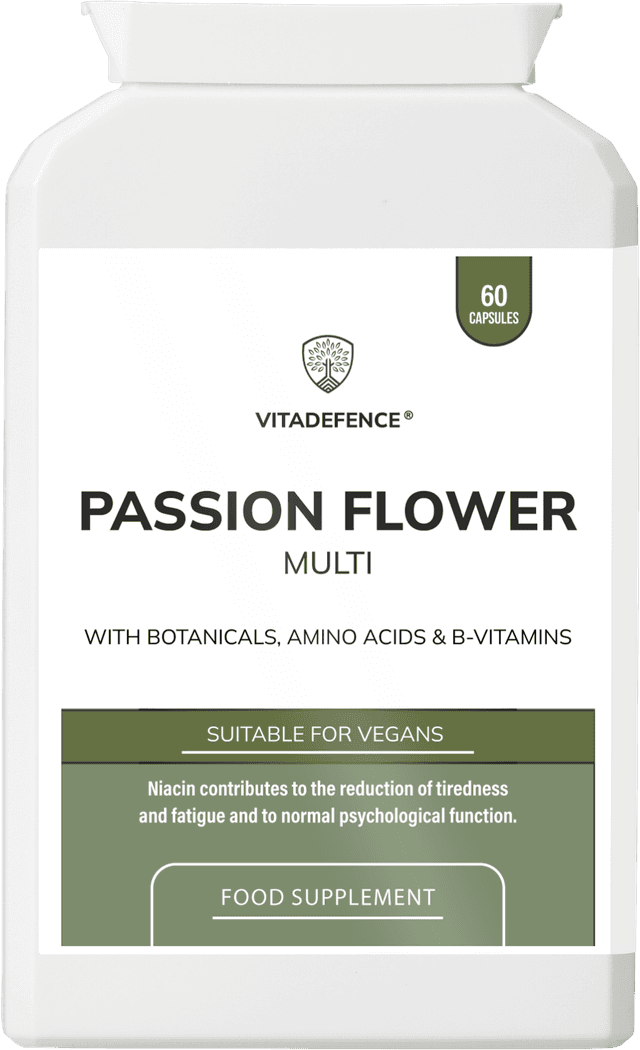
Passion Flower Multi — a Spanish missionary's symbol, eight quiet evening companions
When the Jesuits arrived in the New World in the seventeenth century, they found a flower so strange that they read its parts as the entire Crucifixion — three nails, five wounds, twelve apostles, a crown of thorns. The locals had been brewing the same vine into a calming tea for centuries before. We've put 100mg of it in a capsule, with seven evening partners around it.
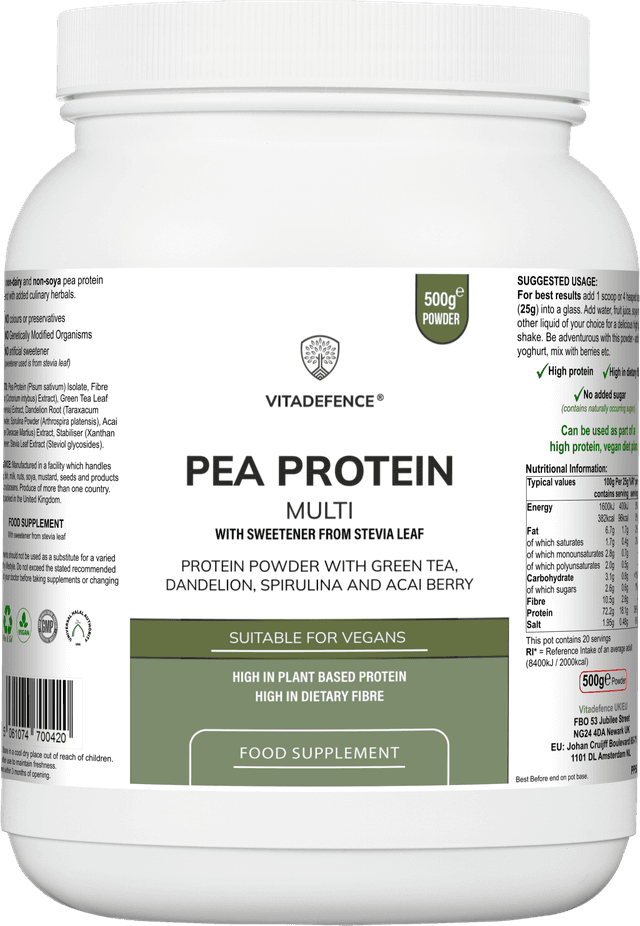
Pea Protein Multi — a yellow pea, four green companions, one daily shake
A clean plant-protein powder built around yellow pea isolate, with green tea, spirulina, açaí and dandelion. The story behind each ingredient — and what we won't promise.
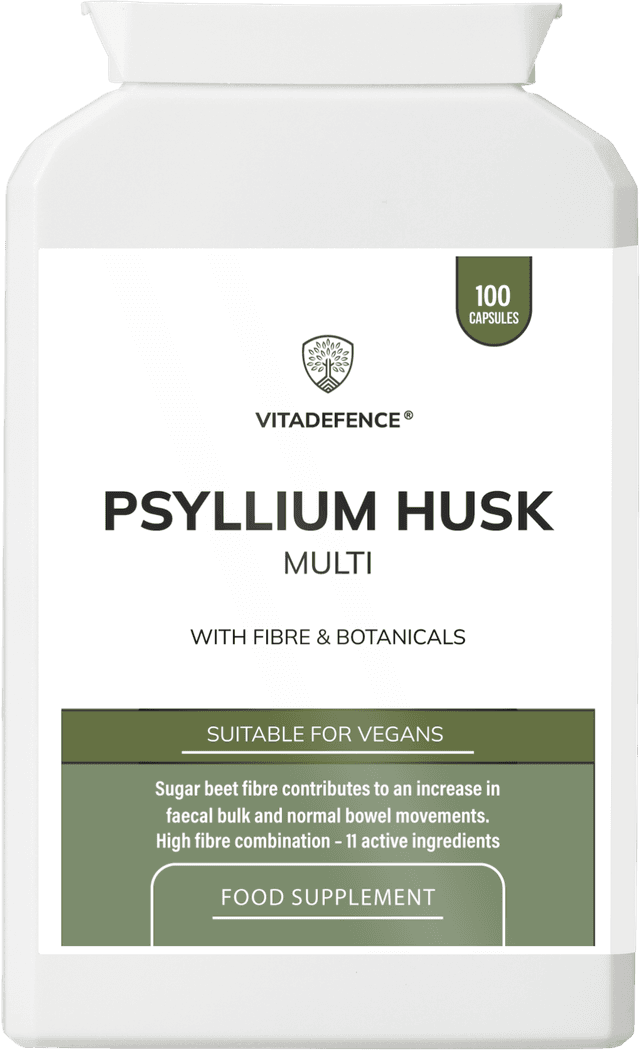
Psyllium Husk Multi — an Indian seed husk, ten quiet companions, and the thing they all do well
Psyllium husk is one of the most studied soluble fibres on Earth. We've paired it with rhubarb, flaxseed, broccoli, prune, fenugreek and six more — a daily fibre top-up. Read with the choking warning at the top.
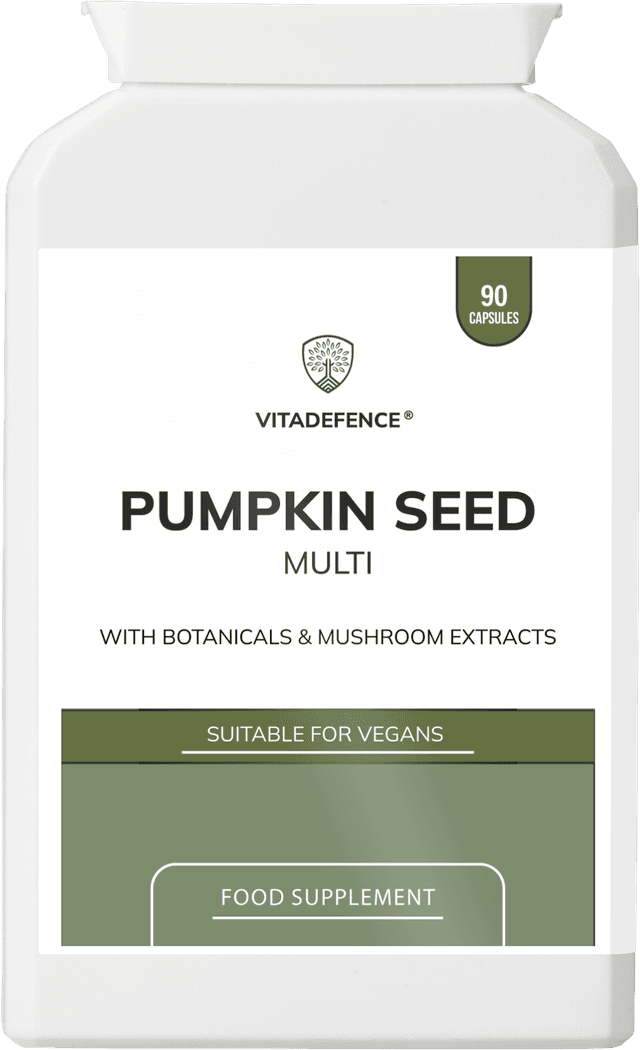
Pumpkin Seed Multi — a New World seed, fifteen kitchen-spice partners, one daily capsule
Pumpkin seed is one of the oldest cultivated foods in the Americas. We've paired it with garlic, clove, cinnamon, oregano and cayenne — a daily capsule built around the spice rack.
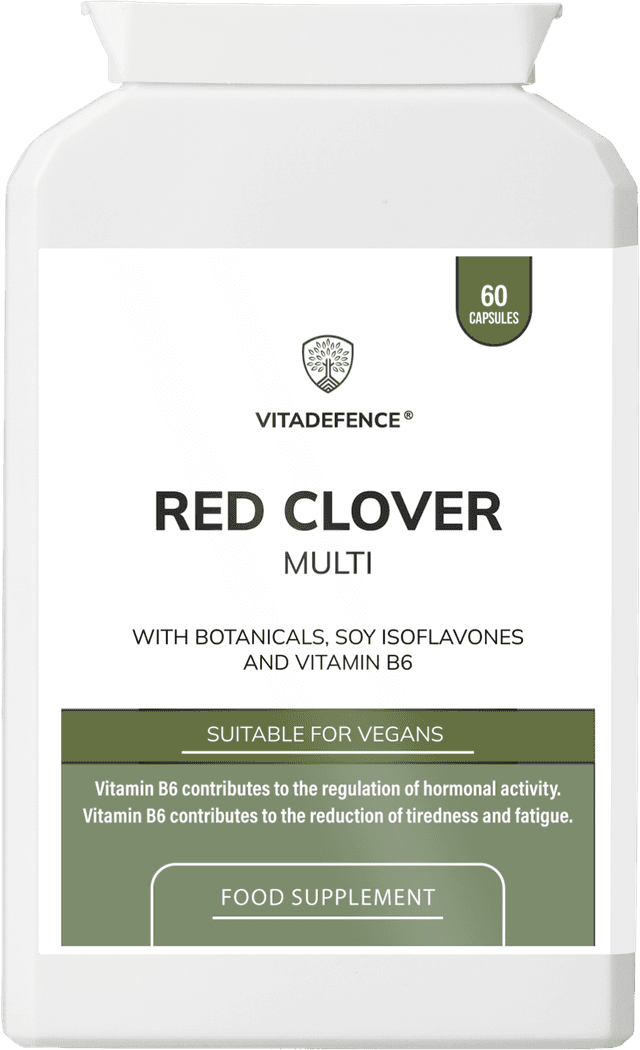
Red Clover Multi — a meadow flower with isoflavones, ten quiet companions, one daily capsule
Red clover is a flower with a long European herbal-tradition history. We've paired it with wild yam, sage, schizandra, soya isoflavones, and seven more — a botanical capsule for the second half of life.
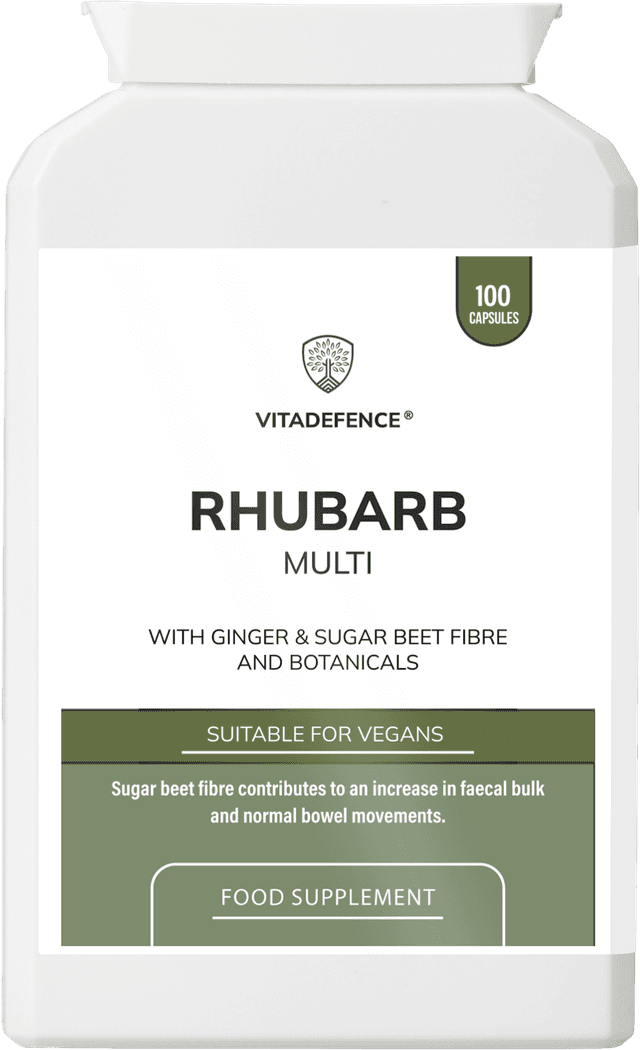
Rhubarb Multi — a kitchen-garden plant, ten warming companions, one daily capsule
Rhubarb root is one of the oldest items in the Chinese medicine chest, and the same plant family lives in your back garden. We've paired it with ginger, clove, burdock, fennel and six more — a daily warming-and-bittering capsule.
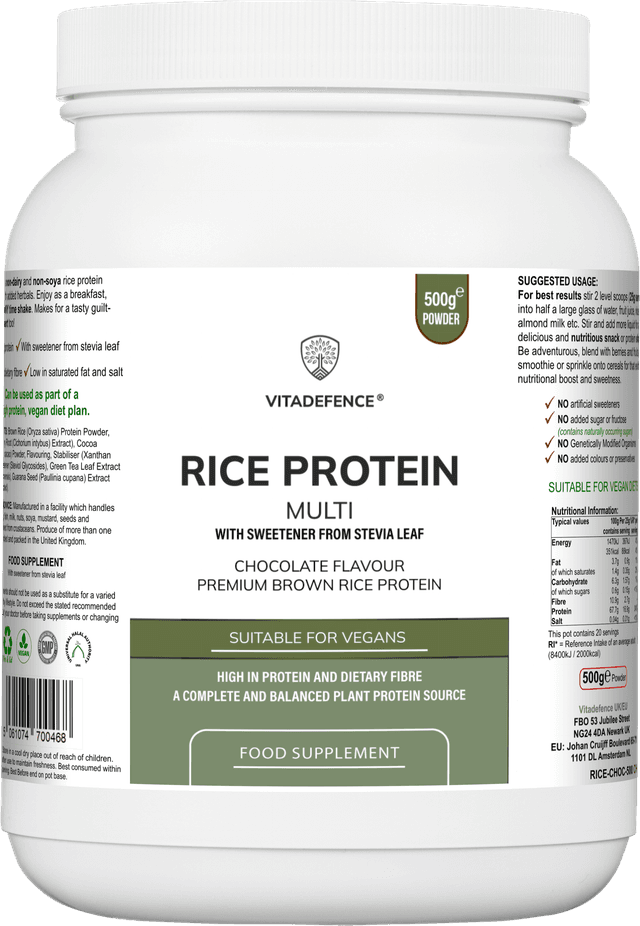
Rice Protein Multi — the quiet plant protein for the dairy-tired
Brown-rice protein with a soft chocolate finish, gentle on stomachs that have given up on whey. A daily 25g scoop, hypoallergenic, and an honest plant story.
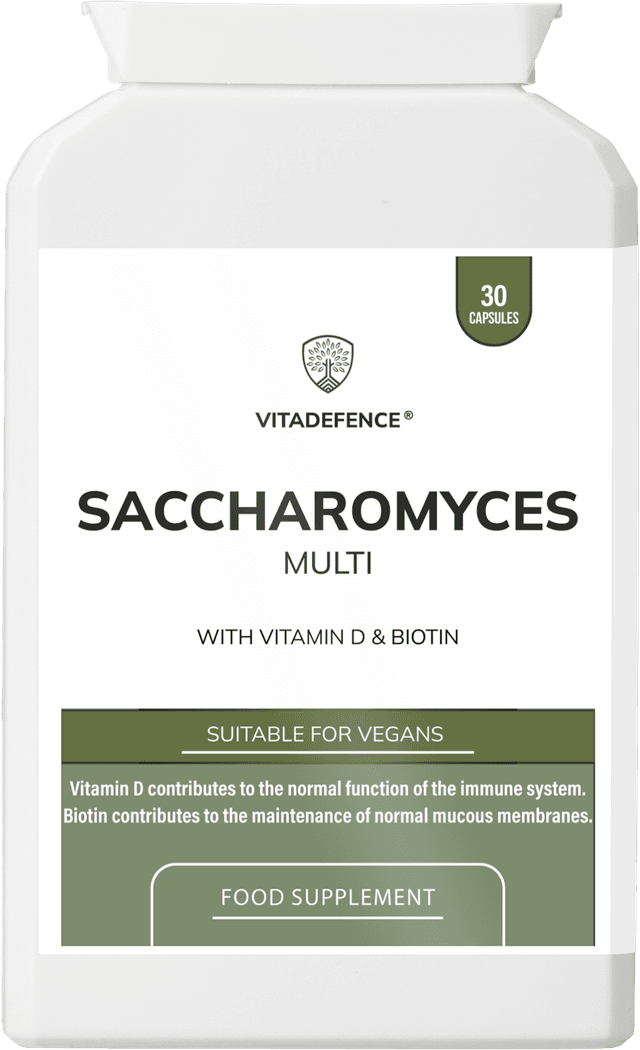
Saccharomyces Multi — the friendly yeast, not a bacterium
A single-strain probiotic yeast — Saccharomyces boulardii — paired with olive leaf, vitamin D3, biotin and bamboo silica. The quieter member of the probiotic family.
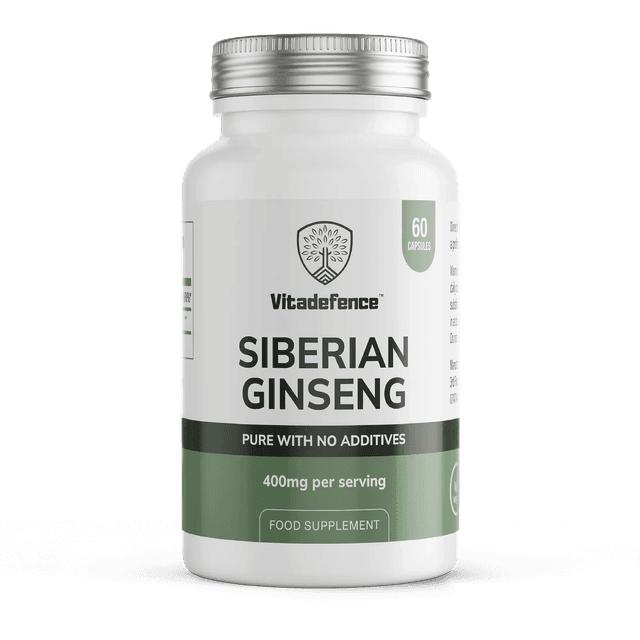
Siberian Ginseng — the taiga adaptogen, not the Panax
Eleutherococcus senticosus — a taiga shrub, no relation to Panax. Soviet field-research origin, a quiet daily adaptogen, single-ingredient simplicity.
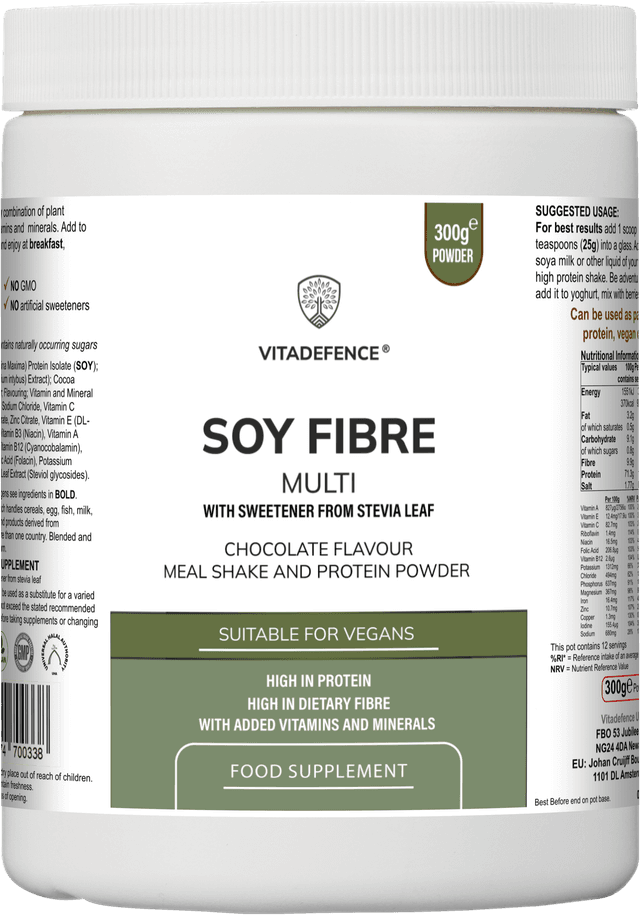
Soy Fibre Multi — soya protein, chicory fibre, fifteen vitamins and minerals
A chocolate-flavour soya protein powder layered with chicory root inulin and a full vitamin-mineral blend. Dairy-free, vegan, twelve servings to a pot.
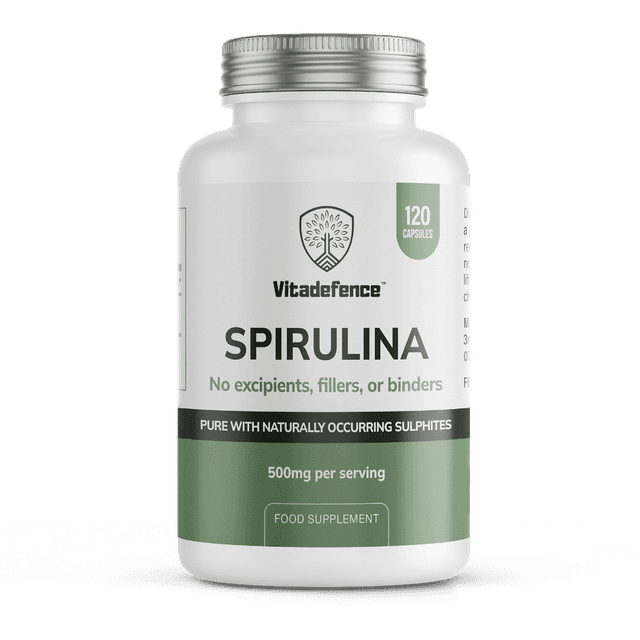
Spirulina — the lake algae the Aztecs ate
A simple 500mg vegan capsule of pure Arthrospira platensis. The blue-green lake algae the Aztecs harvested off Lake Texcoco — one of the oldest dietary plants in human history.
Supplements for Women Over 40: A Plain Guide to the Nutrients That Matter
A calm, jargon-free guide to the vitamins and minerals worth knowing about after 40 — written with the authorised wording, not the hype, and honest about when you don't need a thing.
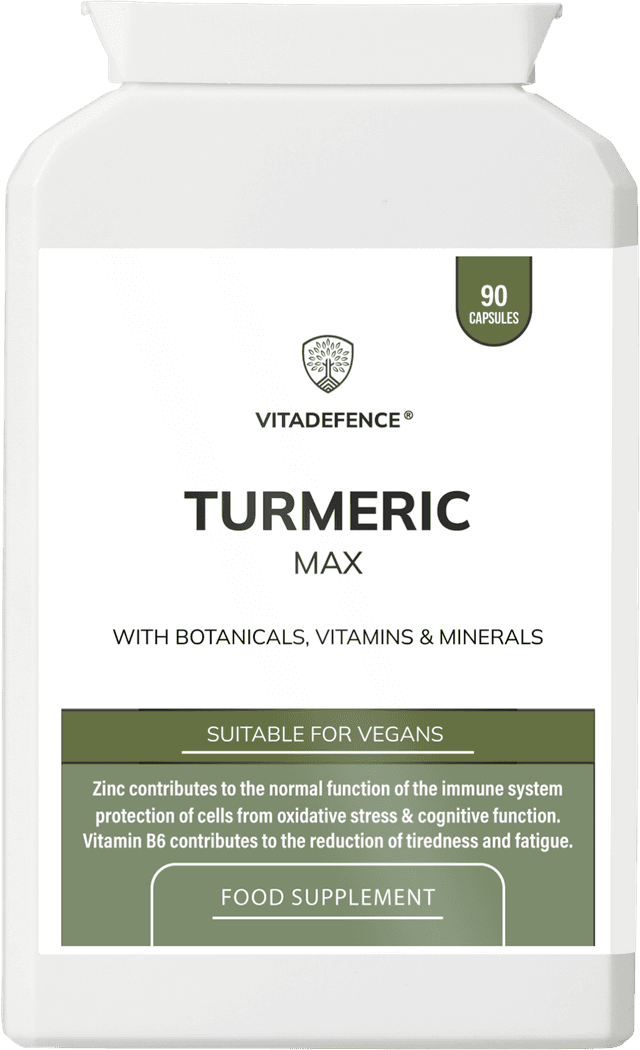
Turmeric Max — the bright yellow root, dialled to its strongest
A high-strength turmeric capsule built around 150mg of curcumin, with black pepper, ginger, and the trace minerals that make a label honest.
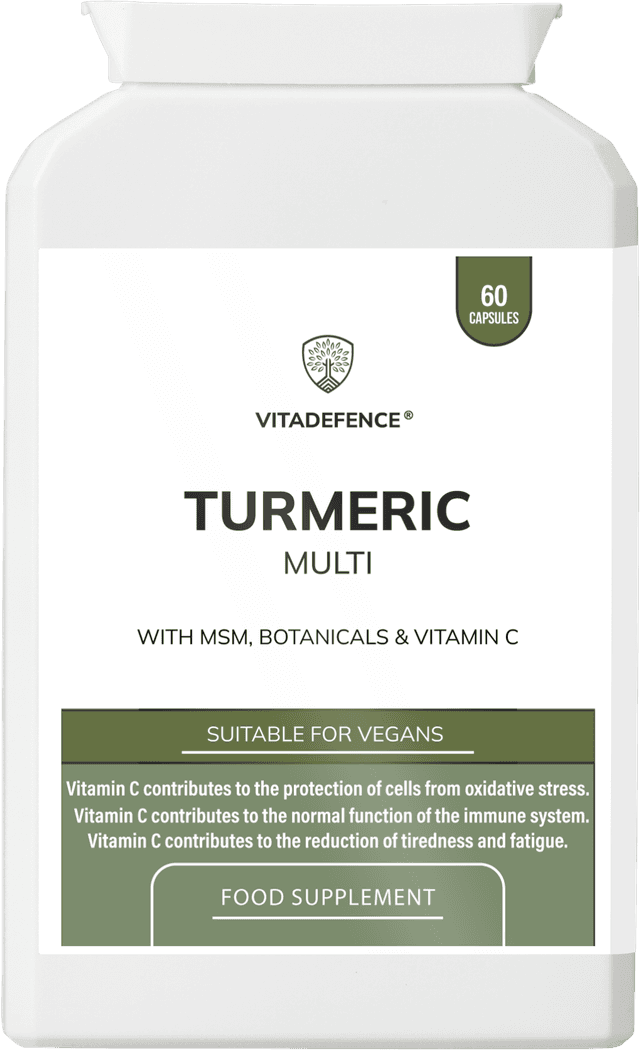
Turmeric Multi — the golden rhizome with thirteen quiet companions
A combined-formula turmeric capsule built around joints and movement: turmeric, glucosamine, MSM, ginseng, nettle, rosehip, horsetail, and a slow-cooked plant chorus.
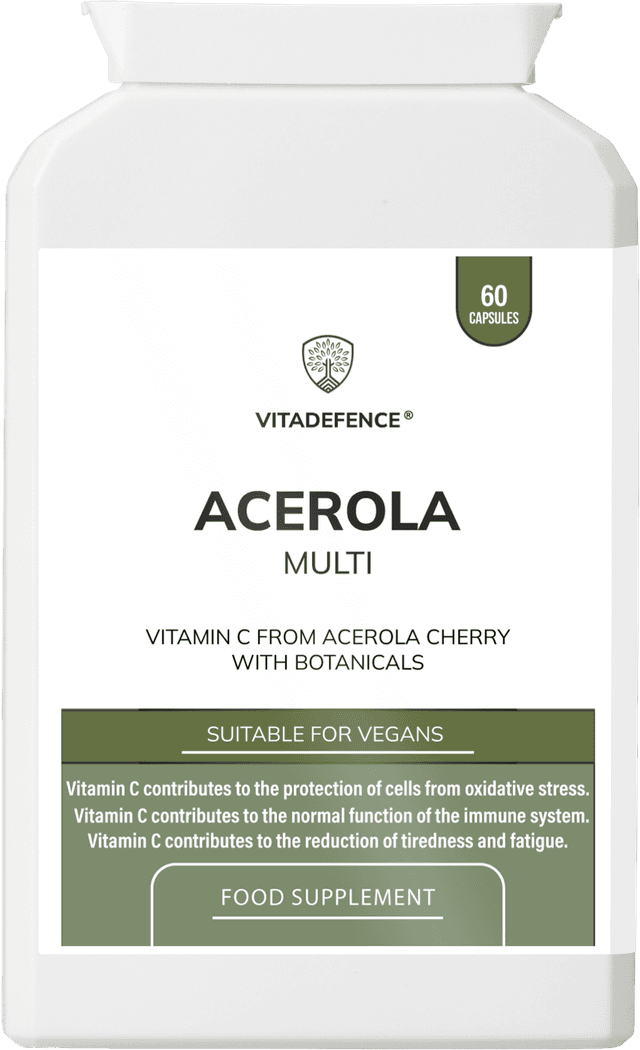
Vitamin C Capsules — a Caribbean cherry, four wild fruits, and the colour of immunity
On a sunny ridge in the Lesser Antilles, a small shrub bears a fruit that looks like a cherry and tastes like a sour orange. Locals call it acerola. We built a vitamin C capsule around it — and around four other small wild fruits that have fed European hedgerows and kitchens for centuries.
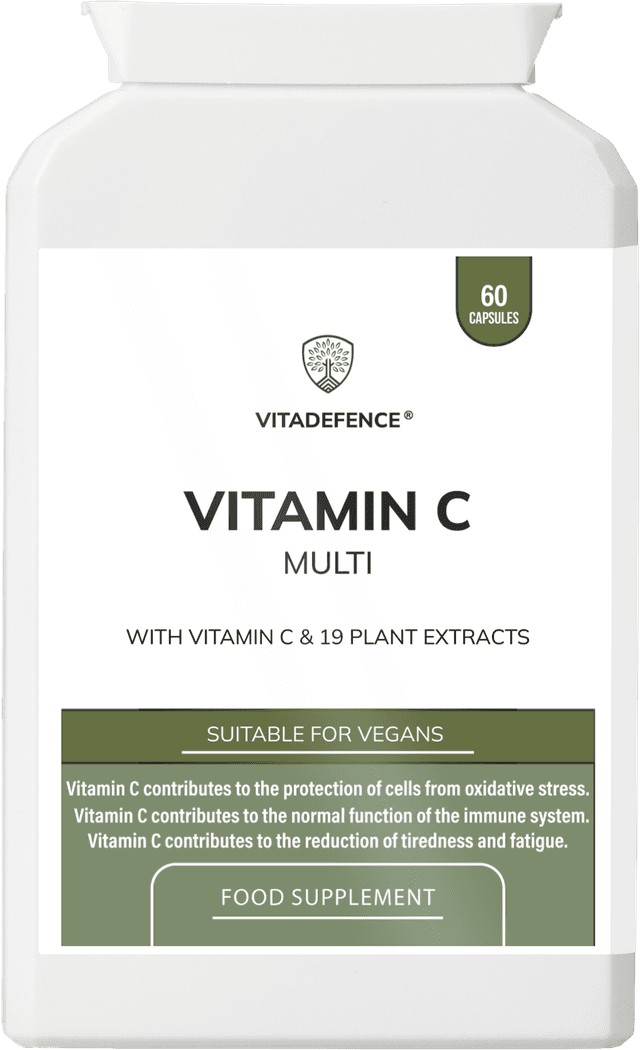
Vitamin C Multi — the daily citrus dose, with seventeen quiet partners
A high-strength Vitamin C capsule built around 512mg of ascorbic acid, with baobab fruit, black aged garlic, acerola, olive leaf, and a botanical chorus.
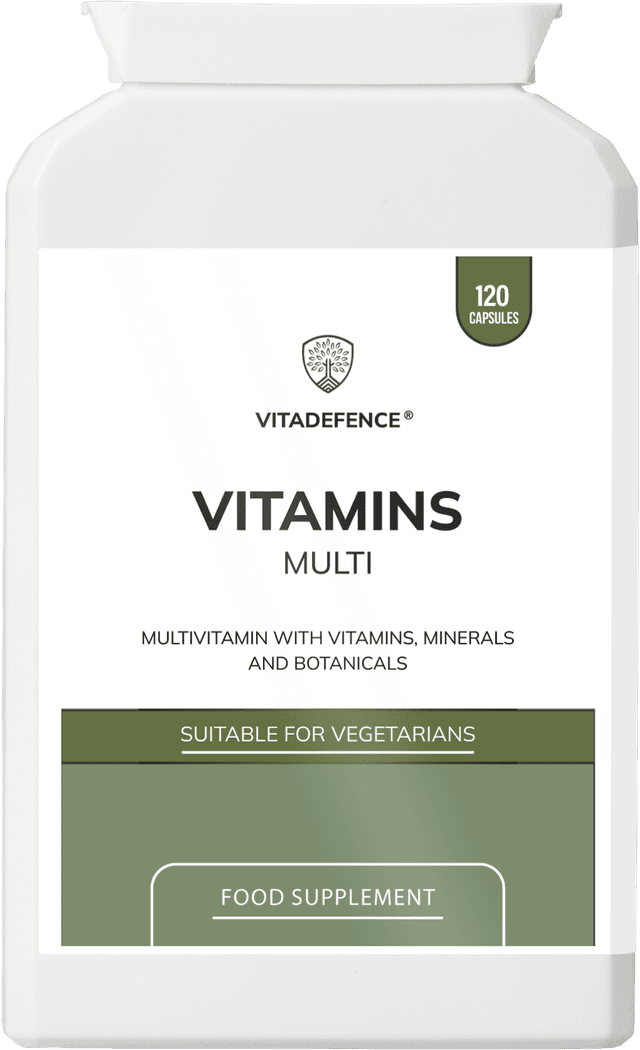
Vitamins Multi — the daily A–Z, with the gaps the modern diet usually leaves
A comprehensive vegan multivitamin built around 17 essentials, plus alfalfa, psyllium, sugar beet fibre, seagreens, and a small live-culture blend.
What Is Creatine? The Most-Studied Supplement in the Gym
Creatine is in your muscles already, and in every steak. The most-researched sports supplement there is - what it actually is, the one authorised claim, and how to take it.
What Is Magnesium, and Why Are So Many People Short of It?
Magnesium runs hundreds of quiet jobs in the body, yet the modern diet often falls short. What it is, the forms that absorb best, and the claims that are genuinely true.
What Is Moringa? The Drumstick Tree, From Himalayan Foothill to Daily Capsule
Moringa oleifera — the 'drumstick tree' of the Himalayan foothills, whose leaf is one of the most nutrient-dense greens in the kitchen. The story, the facts, and how we put it in a capsule.
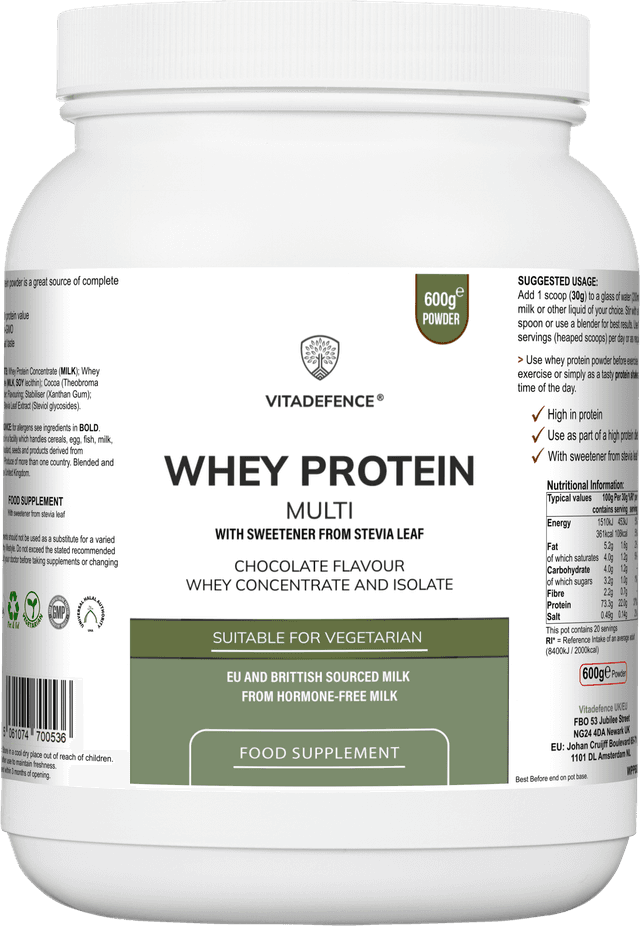
Whey Protein Multi — the cheesemaker's byproduct, dialled to its modern form
A 600g chocolate-flavour whey protein powder built on whey concentrate and isolate, with cocoa, stevia, and the cheesemaking heritage that gave us whey in the first place.
Whey vs Pea Protein: Which One Suits You?
One comes from milk, one from the humble split pea. Both build a daily protein habit. The honest differences - digestion, diet, taste - so you can pick the right tub.