The Stress-and-Sleep Stack: Magnesium, Passion Flower, Adaptogens
The Stress-and-Sleep Stack: Magnesium, Passion Flower, Adaptogens. Evidence-led plain-English guide from Vitadefence UK.
By Vitadefence Team
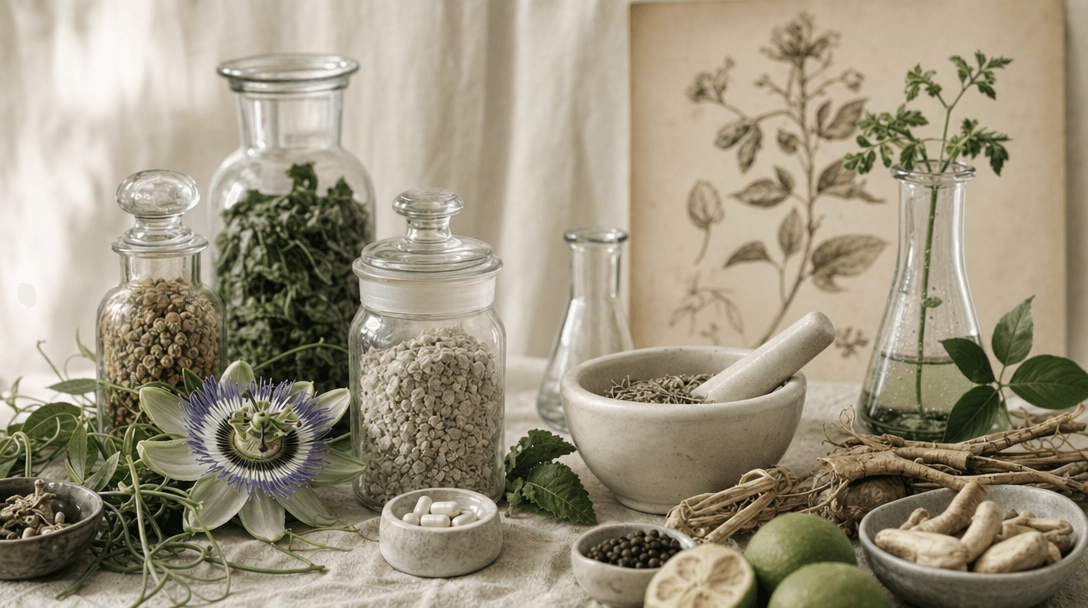
When the evening winds down but your mind keeps racing, or when you wake up at 3 AM worrying about tomorrow’s meeting, it’s easy to reach for a quick fix. But what if the real answer lies in how you support your nervous system throughout the day? The stress-and-sleep connection is a two-way street: chronic stress depletes the nutrients you need for restorative sleep, and poor sleep makes you more vulnerable to stress. Here’s how a targeted stack of magnesium, passion flower, and adaptogens can help break that cycle, backed by the science that matters.
Why stress and sleep are inseparable
Your body’s stress response is designed for short bursts—think running from a predator. But modern life keeps that system switched on. Cortisol, the primary stress hormone, follows a natural rhythm: high in the morning to wake you up, low at night to let you sleep. When stress is chronic, cortisol stays elevated into the evening, suppressing melatonin and making it harder to fall asleep and stay asleep.
At the same time, poor sleep increases cortisol the next day. It’s a vicious cycle. The good news is that certain nutrients and botanical compounds can help nudge your nervous system back toward balance—without prescription sedatives or habit-forming sleep aids.
The science behind the stack
Magnesium: the gatekeeper of calm
Magnesium is involved in over 300 enzymatic reactions, including those that regulate the nervous system. It works by binding to GABA receptors—the same receptors targeted by benzodiazepines—promoting a calming effect without sedation. A 2017 systematic review in Nutrients found that magnesium supplementation improved subjective measures of insomnia, especially in older adults (Abbasi et al., 2017, PubMed).
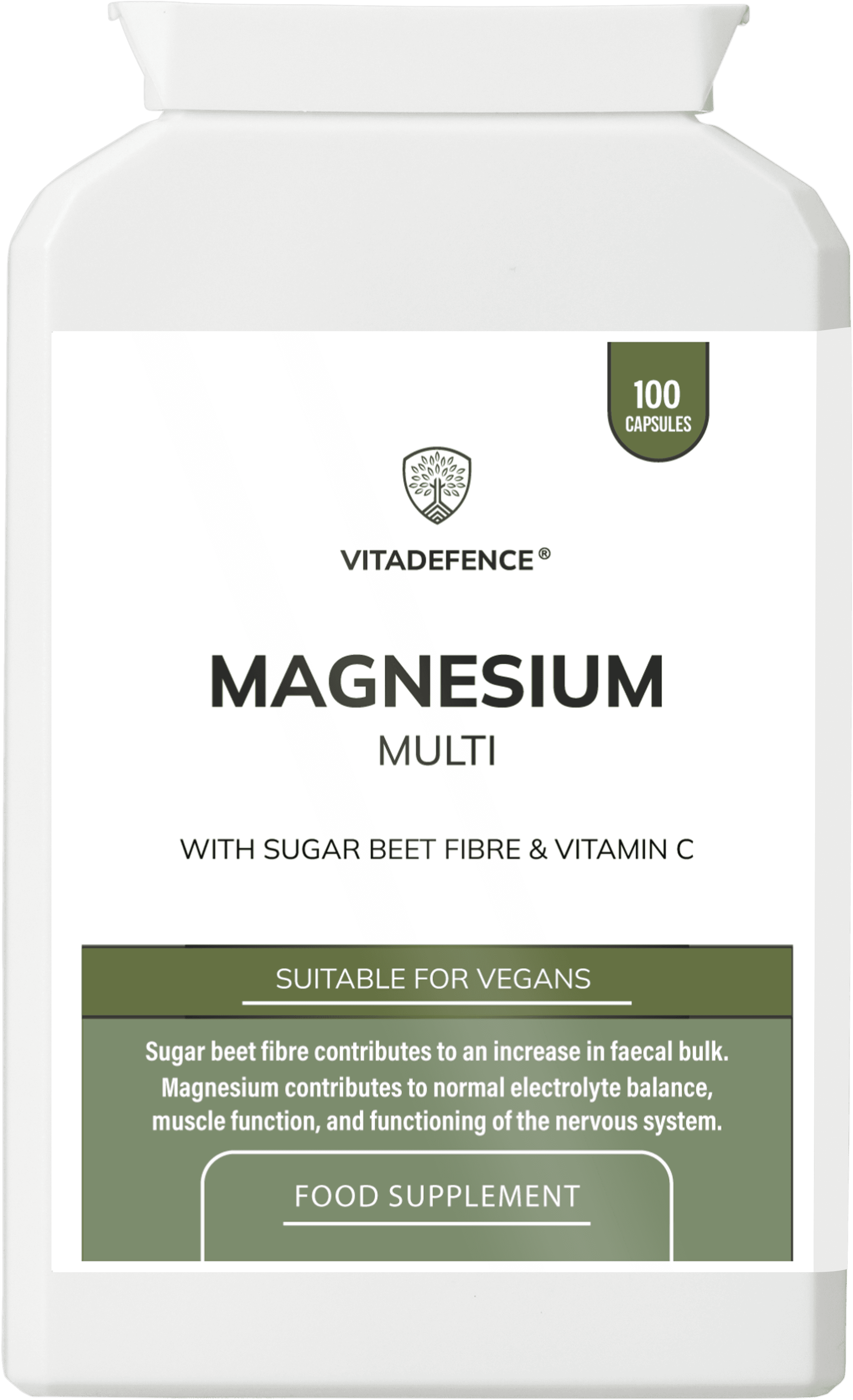
The EU Register of Health Claims authorises the claim: “Magnesium contributes to normal functioning of the nervous system” and “Magnesium contributes to normal psychological function.” For sleep support, the clinical literature typically uses doses between 200–400 mg of elemental magnesium per day, taken about an hour before bed. Our Magnesium Multi provides a balanced blend with magnesium bisglycinate, which is well-absorbed and gentle on the stomach.
Passion flower: a traditional nervine
Passion flower (Passiflora incarnata) has a long history of traditional use for nervous tension and sleep support. The European Medicines Agency (EMA) classifies it as a “traditional herbal medicinal product” for the relief of mild symptoms of mental stress and to aid sleep—based on longstanding use, not necessarily robust clinical trials.
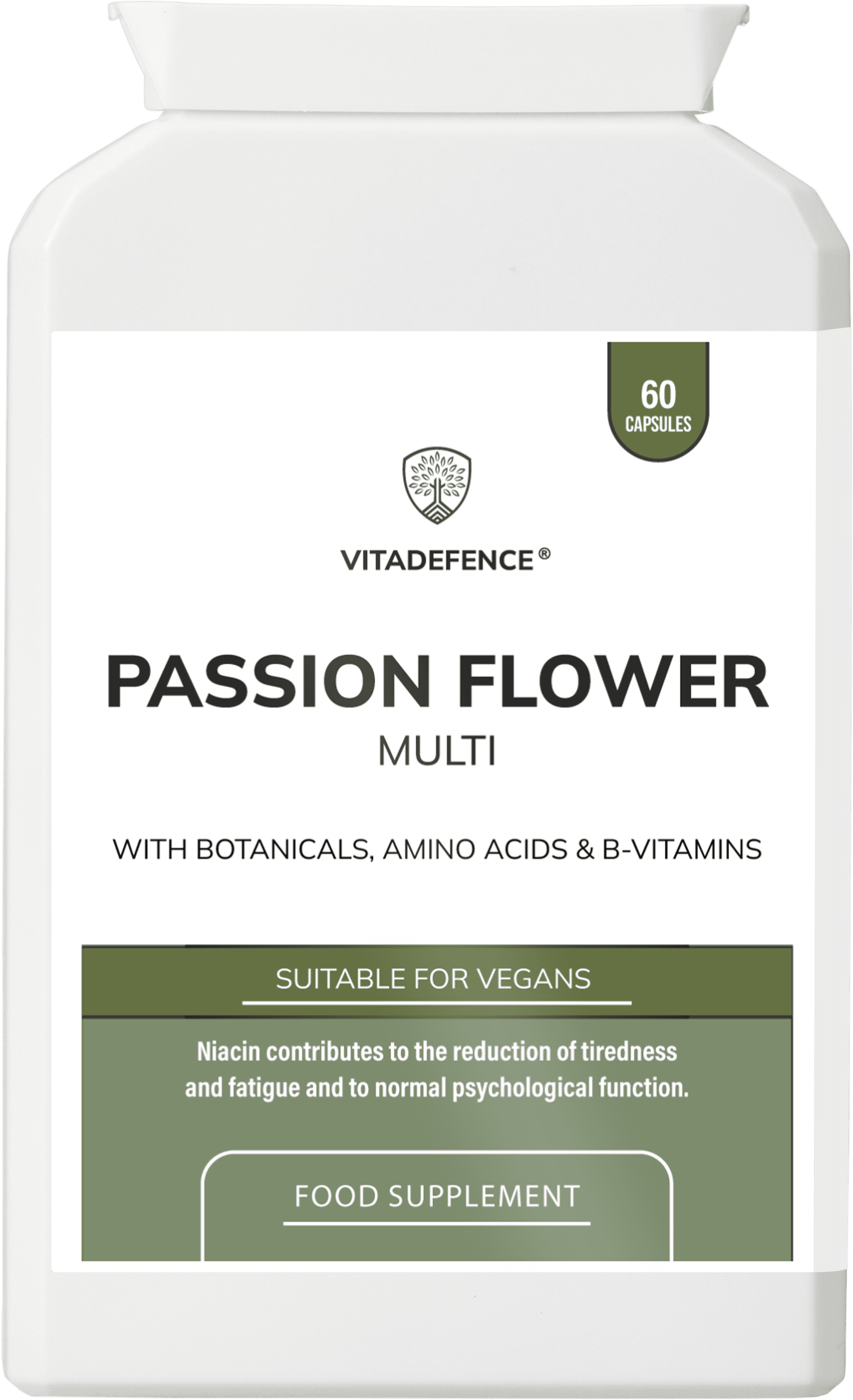
That said, a small 2011 randomised trial in Phytotherapy Research found that passion flower extract significantly improved sleep quality compared to placebo in adults with mild insomnia (Ngan & Conduit, 2011, PubMed). The active compounds—flavonoids and alkaloids—are thought to increase GABA availability in the brain. Our Passion Flower Multi combines this botanical with magnesium and B vitamins for a multi-target approach.
Adaptogens: the cortisol balancers
Adaptogens are a class of herbs that help the body resist physical and mental stress. Ashwagandha (Withania somnifera) is the most studied. A 2019 meta-analysis in Medicine reported that ashwagandha root extract significantly reduced cortisol levels and improved perceived stress scores compared to placebo (Chandrasekhar et al., 2019, PubMed).
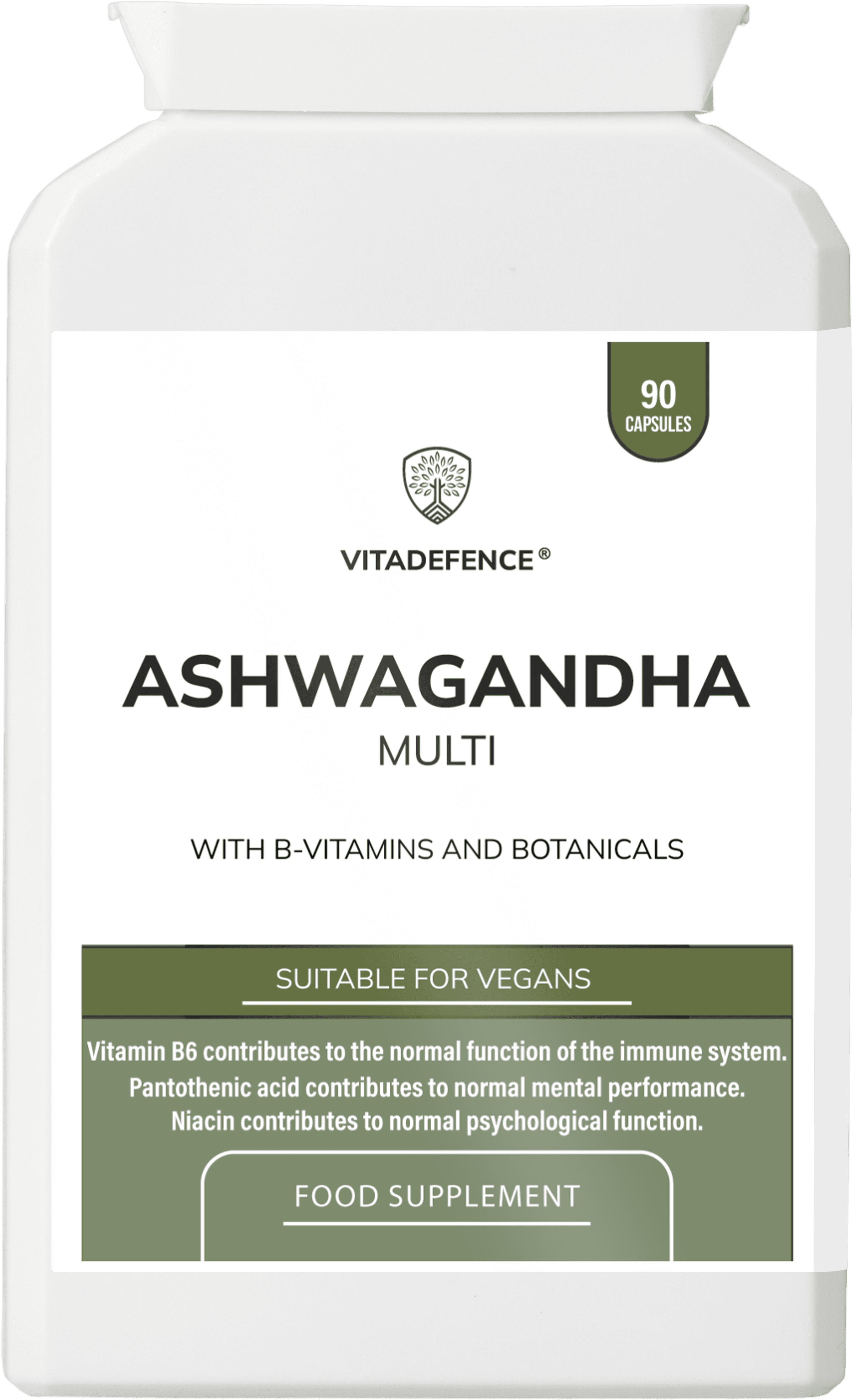
The EU Register does not authorise health claims for ashwagandha as a “botanical,” so we frame it as a traditional herbal remedy. The doses used in clinical studies range from 300–600 mg of a standardised extract (withanolide content around 5%), taken once or twice daily. Our Ashwagandha Multi delivers a clinically relevant dose alongside magnesium and B vitamins, making it a convenient option for daytime stress support.
How to build your stress-and-sleep stack
This isn’t about taking all three at once—it’s about timing and individual needs. Here’s a practical framework:
- Morning or midday: Ashwagandha (300–500 mg) with breakfast or lunch. It can be mildly energising for some people, so avoid taking it too late.
- Evening (1–2 hours before bed): Magnesium (200–400 mg elemental) and passion flower (traditionally 300–500 mg of dried herb equivalent). This combination targets GABA pathways and muscle relaxation.
- Optional daytime support: Passion flower can also be used during the day for situational anxiety, but start with a lower dose to see how it affects your alertness.
We recommend starting with one supplement at a time for at least a week to gauge your response. If you’re new to adaptogens, read our customer reviews to see how others have integrated them into their routines.
Who this stack is for (and who should be cautious)
Ideal candidates
- Adults with mild-to-moderate stress who have trouble winding down at night
- People with occasional insomnia linked to racing thoughts
- Those who want a non-habit-forming alternative to prescription sleep aids
- Individuals who already eat a balanced diet but need extra support during high-stress periods
Who should be cautious
- Pregnant or breastfeeding women: Avoid passion flower and ashwagandha unless under medical supervision. Magnesium is generally safe in standard doses, but consult your doctor.
- People on sedative medications: Passion flower and magnesium can potentiate the effects of benzodiazepines, barbiturates, or alcohol. Speak with your GP first.
- Those with thyroid conditions: Ashwagandha may increase thyroid hormone levels in some people. Monitor your levels if you have hyperthyroidism or are on medication.
- Individuals with kidney disease: Magnesium supplementation should be avoided in severe kidney impairment, as the kidneys regulate magnesium balance.
- Children under 12: Not recommended unless specifically advised by a paediatrician.
If you’re unsure, our free delivery makes it easy to try a single product first—and you can always contact us for personalised guidance.
Frequently asked questions
Can I take magnesium, passion flower, and ashwagandha together?
Yes, they are generally safe to combine, but we recommend starting with one supplement to assess your tolerance. If you want a multi-target approach, our Magnesium Multi already includes magnesium and B vitamins, while Passion Flower Multi adds the botanical element. Ashwagandha is best taken separately during the day.
How long does it take to notice a difference in sleep quality?
Some people feel a calming effect within 30–60 minutes of taking magnesium or passion flower. For adaptogens like ashwagandha, clinical studies typically show improvements in stress scores after 4–8 weeks of consistent use. Be patient—the body’s stress response doesn’t reset overnight.
Will these supplements make me drowsy during the day?
Magnesium and passion flower are not sedatives, but they can promote relaxation. Most people find them non-drowsy when taken as directed. If you take passion flower during the day and feel sleepy, try a lower dose or switch to evening use only. Ashwagandha is generally well-tolerated without drowsiness.
Are there any interactions with common medications?
Magnesium can interfere with some antibiotics (e.g., tetracyclines) and bisphosphonates—separate doses by at least 2 hours. Passion flower may enhance the effects of blood pressure medications and sedatives. Ashwagandha may interact with thyroid hormones, immunosuppressants, and diabetes medications. Always consult your doctor if you take regular medication.
What form of magnesium is best for sleep?
Magnesium bisglycinate is well-absorbed and less likely to cause digestive upset compared to magnesium oxide or citrate. Our Magnesium Multi uses bisglycinate for this reason. The dose matters more than the form—aim for 200–400 mg of elemental magnesium.
Can I use this stack alongside other sleep aids like melatonin?
Melatonin works through a different pathway (circadian rhythm regulation) than magnesium and passion flower (GABA modulation). They can be complementary, but start with one at a time to avoid over-sedation. If you’re already taking melatonin, consider adding magnesium first—it’s the most evidence-based option for general sleep support.
How Vitadefence does it
We believe that supplements should be transparent, effective, and made to the highest standards. Here’s what sets our stress-and-sleep products apart:
- No proprietary blends: Every ingredient is listed with its exact dose on the label. You know exactly what you’re getting.
- HPMC capsules: Our capsules are plant-based (hydroxypropyl methylcellulose), suitable for vegans and vegetarians, and free from titanium dioxide.
- GMP-certified UK manufacturing: All products are made in our GMP-certified facility in London (3rd Floor, 86-90 Paul Street, London EC2A 4NE). Third-party tested for purity and potency.
- Free Royal Mail Tracked 48 delivery: Orders over £30 ship free with tracking. See our shipping policy for details.
- Registered with the ICO: Your data is secure (ICO ZC106169).
We don’t use unnecessary fillers, flow agents, or synthetic binders. Every batch is traceable from raw material to finished capsule. If you want to explore our full range, check out our bundle deals for extra savings on multi-product orders.
Bottom line
The stress-and-sleep connection doesn’t have to be a losing battle. By supporting your nervous system with targeted nutrients—magnesium for GABA activity, passion flower for traditional calm, and ashwagandha for cortisol balance—you can build a sustainable routine that helps you feel more resilient during the day and sleep more deeply at night.
Start simple: choose one product that matches your biggest need. If you’re looking for evening relaxation, our Passion Flower Multi is a great entry point. For daytime stress support, try Ashwagandha Multi. And if you want the full foundation, Magnesium Multi is the most versatile option for both stress and sleep.
Remember: consistency matters more than perfection. Give it four weeks, track how you feel, and adjust as needed. Your nervous system will thank you.
Disclaimer: This article is for educational purposes only and does not replace professional medical advice. The information provided is based on the EU Register of Nutrition and Health Claims (Regulation (EC) No 1924/2006) and peer-reviewed research. Supplements are not intended to diagnose, treat, cure, or prevent any disease. Always consult a qualified healthcare practitioner before starting a new supplement regimen, especially if you are pregnant, breastfeeding, taking medication, or have a medical condition. Individual results may vary. Vitadefence UK is not responsible for any adverse effects resulting from the use of the information provided.
Related products
More from the journal
Spirulina: The Original Superfood — Protein, B12, and Phycocyanin Antioxidant Power
9 min · Ingredients
Siberian Ginseng Benefits: Why This Adaptogen Is Different From Panax Ginseng
7 min · Ingredients