MSM vs Glucosamine vs Collagen: Which Joint Supplement Works?
MSM vs Glucosamine vs Collagen: Which Joint Supplement Works?. Evidence-led plain-English guide from Vitadefence UK.
By Vitadefence Team

If you’re over 30, you’ve probably noticed your knees creak a little more than they used to, or your wrists feel stiff after a long day at the keyboard. Three ingredients dominate the conversation around joint health: MSM, glucosamine, and collagen. But which one actually works? And can you take them together? We’ve combed through the clinical evidence, the EU Register of health claims, and the real-world dosing data to give you a clear, honest answer—no hype, just the science.
Why joint supplements are different from painkillers
Joint supplements aren’t designed to mask pain in the way ibuprofen or paracetamol do. Instead, they aim to support the structural integrity of cartilage, synovial fluid, and connective tissue over weeks or months. That’s a fundamentally different mechanism, and it’s why you shouldn’t expect a “quick fix.” The European Food Safety Authority (EFSA) has authorised health claims for certain vitamins and minerals that contribute to normal joint function—for example, vitamin C contributes to normal collagen formation for the normal function of cartilage (EU Register, ID 1165). But for ingredients like MSM, glucosamine, and collagen, the evidence sits in a more nuanced space: some clinical trials show benefit, others don’t, and the devil is in the dosing and formulation.
Let’s break down each one individually before we compare them head-to-head.
MSM (methylsulfonylmethane)
What the science says
MSM is a naturally occurring sulphur compound found in small amounts in fruits, vegetables, and human tissues. Sulphur is a key component of the amino acids methionine and cysteine, which are needed for the production of collagen and connective tissue. The theory is that supplemental MSM provides the raw material your body uses to maintain cartilage and reduce oxidative stress in joints.
A 2021 meta-analysis published in Nutrients (PubMed ID 34065350) pooled data from six randomised controlled trials involving over 500 participants with knee osteoarthritis. The authors found that MSM supplementation (typically 1.5–6 g per day) was associated with modest reductions in pain and improvements in physical function compared to placebo, with a good safety profile. However, the effect size was small to moderate—not a game-changer, but statistically significant.
It’s worth noting that the EU has not authorised a specific health claim for MSM relating to joint health. That doesn’t mean it’s ineffective; it simply means the evidence hasn’t met the bar for a “function claim” under Regulation 1924/2006. MSM is sold as a food supplement, and its use is supported by traditional use and emerging clinical data.
Who might benefit from MSM
MSM appears most useful for people with mild-to-moderate osteoarthritis, particularly in the knees, who are looking for a gentle anti-inflammatory effect. It’s also often combined with MSM with Vitamin C because vitamin C is a cofactor for collagen synthesis and may enhance MSM’s effects. The typical effective dose is 2–3 g per day, split into two doses, taken with food to minimise gastrointestinal upset.
Who should be cautious
MSM is well tolerated in most people, but those with bleeding disorders or scheduled for surgery should consult a doctor because of a theoretical anticoagulant effect. Pregnant or breastfeeding women should stick to food sources only, as safety data in these groups is limited.
Glucosamine
The most studied joint ingredient—but not for everyone
Glucosamine is an amino sugar that your body naturally produces and uses to build glycosaminoglycans, a key structural component of cartilage. Supplemental glucosamine (usually as glucosamine sulphate or hydrochloride) has been studied for decades, and it remains the most widely recommended joint supplement by healthcare professionals.
The landmark GAIT trial (Glucosamine/chondroitin Arthritis Intervention Trial), published in the New England Journal of Medicine in 2006 (PubMed ID 16495392), found that glucosamine plus chondroitin was no better than placebo for the overall group of knee osteoarthritis patients. However, in a subgroup with moderate-to-severe pain, the combination provided significant relief. Subsequent meta-analyses have been mixed: a 2018 Cochrane review (PubMed ID 29852046) concluded that glucosamine sulphate may reduce pain and improve function in knee osteoarthritis, but the effect was modest and inconsistent across studies.
One important nuance: glucosamine sulphate appears more effective than glucosamine hydrochloride, possibly because the sulphate moiety is needed for cartilage synthesis. The EU has authorised a claim for glucosamine sulphate specifically: “Glucosamine sulphate contributes to the maintenance of normal joints” (EFSA Journal 2010;8(10):1766). This claim is not authorised for glucosamine hydrochloride or for disease treatment—only for maintenance of normal joint structure.
Dosing and practical tips
The standard dose is 1500 mg once daily of glucosamine sulphate. It can take 4–12 weeks to notice an effect. Glucosamine is often derived from shellfish, so vegans and those with shellfish allergies should look for a synthetic or plant-based version. Many people find it easiest to take glucosamine as part of a comprehensive joint bundle that includes MSM and vitamin C.
Who should be cautious
There is a theoretical concern that glucosamine could worsen blood sugar control in people with diabetes, though large studies have not confirmed this. If you have diabetes, monitor your blood glucose closely when starting glucosamine. It’s also not recommended during pregnancy or breastfeeding due to lack of safety data.
Collagen (specifically marine collagen)
Not all collagen is created equal
Collagen is the most abundant protein in the human body, making up about 30% of total protein. It’s found in skin, bones, tendons, ligaments, and cartilage. Type I and Type III collagen are primarily found in skin and bone, while Type II collagen is the main type in cartilage. Most joint supplements use Type II collagen, often from chicken sternum, but hydrolysed marine collagen (Type I) is increasingly popular because of its high bioavailability and additional skin benefits.
The evidence for collagen in joint health is growing but still emerging. A 2019 meta-analysis of 12 randomised controlled trials (PubMed ID 31729827) found that collagen hydrolysate supplementation (typically 10 g per day) significantly reduced pain and improved joint function in people with osteoarthritis compared to placebo. The mechanism is thought to be through stimulation of collagen synthesis in cartilage and reduction of pro-inflammatory cytokines.
However, the EU has not authorised a specific joint health claim for collagen. The authorised claim for vitamin C—“vitamin C contributes to normal collagen formation for the normal function of cartilage”—is often used alongside collagen supplements to support the body’s own collagen production. That’s why our Marine Collagen Multi includes vitamin C and other cofactors.
Who might benefit from collagen
Collagen is a good option for people who want a dual benefit: joint support plus improved skin elasticity and hydration. It’s particularly popular among athletes and active adults over 40. The typical effective dose is 10–15 g per day of hydrolysed collagen peptides, taken on an empty stomach for best absorption.
Who should be cautious
Collagen is generally safe, but marine collagen is derived from fish, so it’s unsuitable for people with fish allergies. Some people experience mild digestive discomfort when starting collagen, which usually resolves after a few days. There are no known drug interactions.
Head-to-head: which one should you choose?
Here’s the honest answer: there is no single “best” joint supplement because the evidence supports different ingredients for different people. Let’s compare them on key criteria.
- Best for pain relief: MSM has the strongest evidence for reducing pain in knee osteoarthritis, with effects noticeable within 2–4 weeks. Glucosamine is slower (4–12 weeks) and more variable.
- Best for structural support: Glucosamine sulphate is the only ingredient with an authorised EU health claim for maintenance of normal joints. If you want a claim you can rely on, this is it.
- Best for dual skin and joint benefits: Collagen wins here. Marine collagen in particular supports skin, hair, nails, and joints, making it a cost-effective multi-tasker.
- Best for vegans: MSM is synthetic and vegan-friendly. Glucosamine and collagen are typically animal-derived, though vegan glucosamine (synthetic) is available.
- Best for long-term use: All three are safe for long-term use, but MSM and glucosamine are more affordable at effective doses than collagen.
If you’re still unsure, consider combining them. Many people find that a stack of MSM (2–3 g), glucosamine sulphate (1500 mg), and vitamin C (100–200 mg) provides comprehensive support. You can read real user experiences in our customer reviews section to see what’s worked for others.
Who is this comparison for?
This article is primarily for adults over 35 who are experiencing age-related joint stiffness, mild osteoarthritis, or exercise-related joint stress. It’s also relevant for athletes, runners, and gym-goers who want to support joint health proactively. If you have a diagnosed inflammatory joint condition like rheumatoid arthritis, these supplements may still be helpful as an adjunct, but they should not replace prescribed medication. Always discuss with your rheumatologist first.
Who should be cautious about joint supplements
If you have a known allergy to shellfish, avoid standard glucosamine (choose synthetic or plant-based). If you have a fish allergy, avoid marine collagen. If you are pregnant, breastfeeding, or have a bleeding disorder, consult a healthcare professional before starting MSM. And if you have diabetes, monitor your blood glucose when using glucosamine. Finally, if you have a history of kidney stones, be cautious with high-dose vitamin C (over 500 mg per day) as it can increase oxalate excretion.
Frequently asked questions
Can I take MSM, glucosamine, and collagen together?
Yes, they are generally safe to take together, and there are no known negative interactions. In fact, they may work synergistically: MSM provides sulphur for collagen synthesis, glucosamine supports cartilage structure, and collagen provides the amino acid building blocks. Many people combine them as part of a daily joint support routine. Start with the lowest effective dose of each and monitor how you feel.
How long does it take for joint supplements to work?
MSM can show effects in 2–4 weeks, glucosamine typically takes 4–12 weeks, and collagen may take 8–12 weeks for noticeable joint benefits. Consistency is key—skipping days reduces effectiveness. We recommend taking them daily for at least 12 weeks before deciding if they work for you.
Are there any side effects?
All three are generally well tolerated. MSM can cause mild digestive upset, headache, or insomnia at high doses. Glucosamine may cause nausea, heartburn, or diarrhoea. Collagen can cause bloating or a feeling of fullness. Starting with a lower dose and increasing gradually can minimise side effects. If you experience persistent symptoms, stop and consult a doctor.
Which is best for runners?
For runners, MSM may be the best choice because of its anti-inflammatory effects and faster onset of action. Many runners also benefit from glucosamine for long-term cartilage support. Collagen is a good option if you also want skin and tendon support. Some of our customers have shared their experiences in our blog section.
Do I need to take them with food?
MSM and glucosamine are best taken with food to reduce gastric upset. Collagen is often recommended on an empty stomach for optimal absorption, but taking it with food is fine if that’s more convenient. Vitamin C is best taken with food to improve absorption.
Can I get these nutrients from food alone?
It’s difficult to get therapeutic doses of MSM, glucosamine, or collagen from food. MSM is found in small amounts in vegetables, glucosamine is not present in significant dietary sources, and collagen is found in bone broth and animal skin but in much lower amounts than supplements provide. For therapeutic effects, supplementation is usually necessary.
How Vitadefence does it
We believe in transparency, quality, and evidence-led formulation. That’s why all Vitadefence supplements are manufactured in our GMP-certified facility in the United Kingdom (3rd Floor, 86-90 Paul Street, London EC2A 4NE). We use only HPMC capsules (vegetarian, no gelatin), and we never use proprietary blends—every ingredient is listed clearly on the label with its exact dose. We are registered with the Information Commissioner’s Office (ICO ZC106169), and we offer free Royal Mail Tracked 48 delivery on all orders. You can check our shipping policy here.
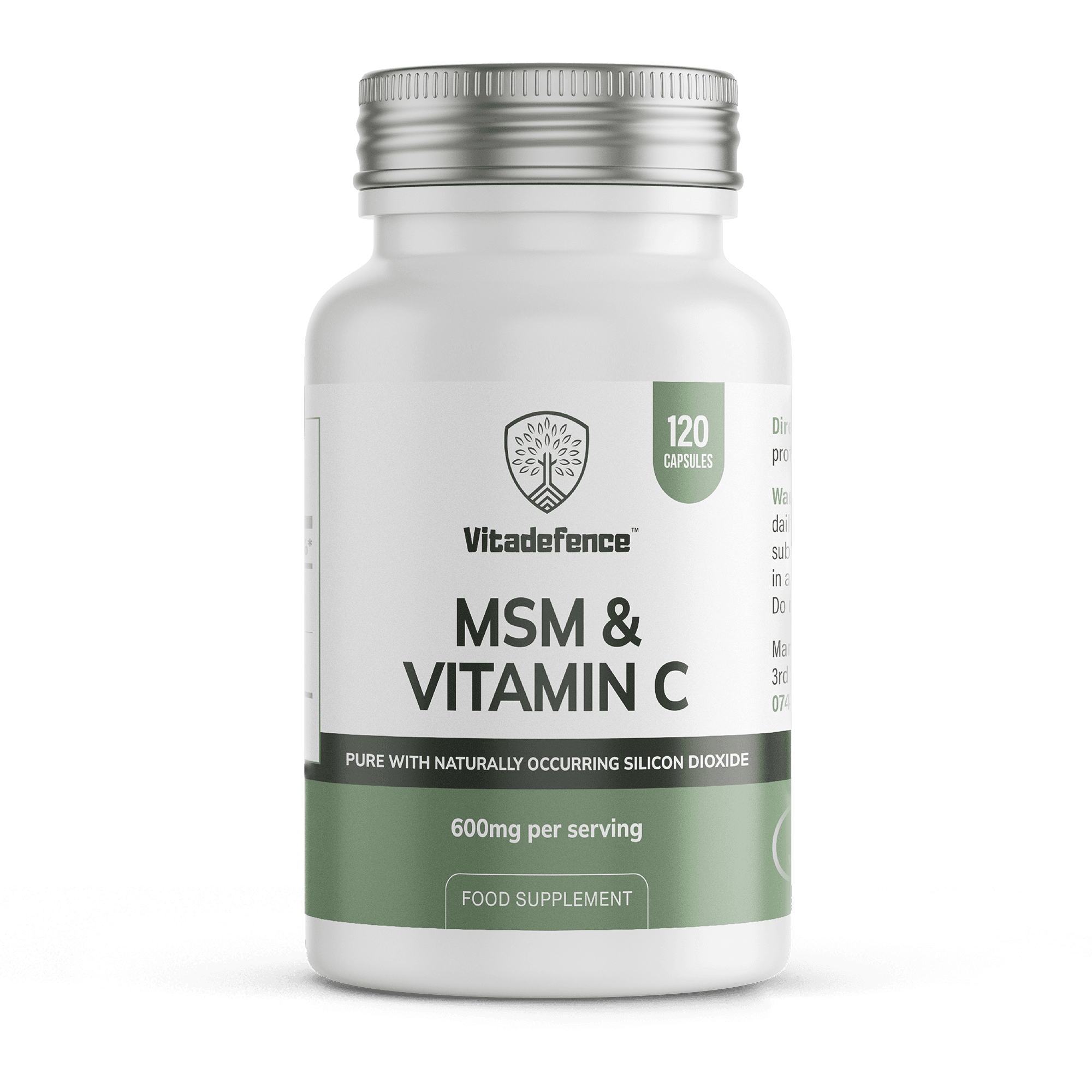
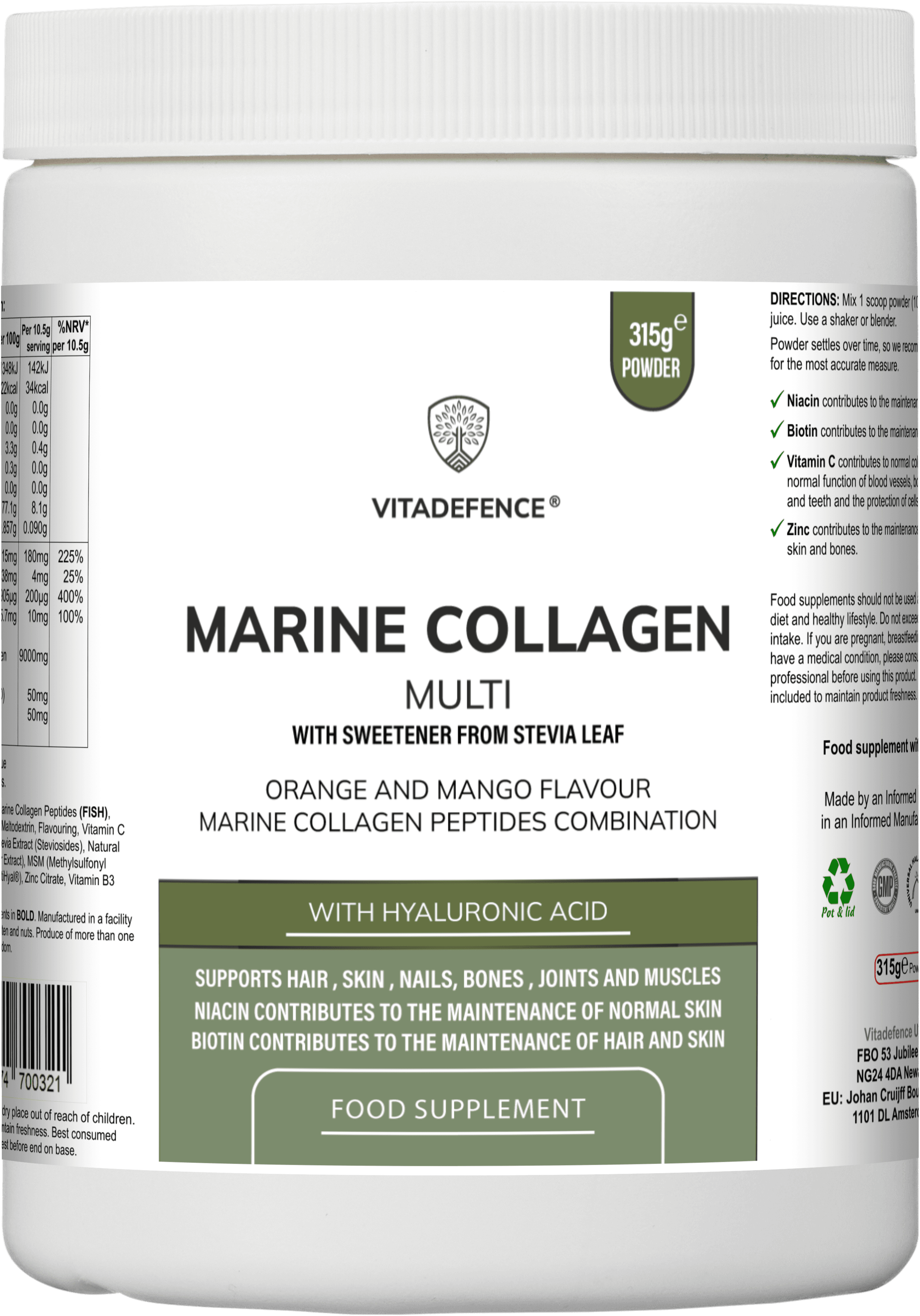
Our MSM with Vitamin C provides 1000 mg of MSM per capsule with 80 mg of vitamin C (as ascorbic acid), supporting normal collagen formation and normal function of cartilage. Our Marine Collagen Multi delivers 5000 mg of hydrolysed marine collagen peptides per serving, alongside vitamin C, biotin, and zinc for comprehensive connective tissue support. Both products are third-party tested for purity and potency.
Bottom line
If you’re looking for a joint supplement, start with MSM if you want faster pain relief, glucosamine sulphate if you want the most evidence for structural maintenance, or marine collagen if you want dual skin and joint benefits. For many people, the best approach is a combination of MSM and vitamin C, with glucosamine added if budget allows. Collagen is a premium option that also supports skin health.
Whichever you choose, consistency and realistic expectations are everything. Joint supplements are not a quick fix—they work slowly, supporting your body’s own repair processes over months. Pair them with a balanced diet, regular low-impact exercise, and good sleep for the best results.
Ready to support your joints the right way? Explore our MSM with Vitamin C or Marine Collagen Multi today, or check out our joint health bundles for a complete approach.
This article is for educational purposes only and does not constitute medical advice. The information provided is based on published scientific literature and EU Regulation 1924/2006 health claims. Supplements are not intended to diagnose, treat, cure, or prevent any disease. Always consult a qualified healthcare professional before starting any new supplement regimen, especially if you are pregnant, breastfeeding, have a medical condition, or are taking medication. Individual results may vary. Vitadefence UK is a registered food supplement brand and does not make any disease-treatment claims.
Related products
More from the journal
Spirulina: The Original Superfood — Protein, B12, and Phycocyanin Antioxidant Power
9 min · Ingredients
Siberian Ginseng Benefits: Why This Adaptogen Is Different From Panax Ginseng
7 min · Ingredients