5 Reasons Why Bio-Active CoQ10 (Ubiquinol) Is Worth Choosing Over Regular CoQ10
Not all CoQ10 is the same. The 'bio-active' form (ubiquinol) is what your cells actually use. Here's why the distinction matters — especially over 40.
By Vitadefence Team
You're shopping for something that helps with energy, heart health, and the slow drift of "I just don't have the spark I had at 30". CoQ10 keeps coming up. Then you notice: some say "CoQ10", others say "ubiquinol", others say "bio-active" — and the prices don't match. The distinction is real, and once you understand it, the shelf gets a lot less confusing.
What CoQ10 actually does
Coenzyme Q10 lives inside the mitochondria of every cell — but especially the high-energy ones: heart, liver, kidneys, brain. Its job is to ferry electrons through the chain that produces ATP (the molecule your body uses for energy). Without enough CoQ10, that chain runs less efficiently. The organs with the highest demand notice it first.
The body makes its own CoQ10, but production peaks in the late 20s and declines steadily from there. Statin medications, which block cholesterol synthesis, also reduce CoQ10 production as a side effect (Folkers et al., 1990; Mortensen et al., 2003). This is why CoQ10 is often discussed alongside cardiovascular medication — though any change there should be a conversation with your GP, not a self-experiment.
The two forms: ubiquinone and ubiquinol
CoQ10 exists in your body in two interchangeable forms:
- Ubiquinone — the oxidised form. This is the cheaper, classic CoQ10 sold for decades.
- Ubiquinol — the reduced, "bio-active" form. This is what your cells actually use to shuttle electrons.
Your body converts ubiquinone to ubiquinol when needed. In healthy younger adults, that conversion is efficient. After about age 40, and especially in people under physical stress or on certain medications, the conversion becomes less efficient. This is where the form on your supplement label starts to matter.
Reason 1 — Better absorption from the bottle
Several pharmacokinetic studies (Hosoe et al., 2007; Evans et al., 2009) have shown ubiquinol reaches higher blood plasma levels than the same dose of ubiquinone — by some measures, two to three times higher. Why? Ubiquinol is fat-soluble and the active form is what crosses cellular membranes most readily. When you swallow ubiquinone, your gut needs to do extra work to convert and absorb it.
Reason 2 — No conversion step required
Ubiquinol bypasses the conversion stage. For a healthy 30-year-old this matters less. For a 55-year-old or someone whose mitochondrial machinery is under stress, the saved step translates into more usable CoQ10 reaching the cells that need it.
Reason 3 — More relevant after 40
The body's natural CoQ10 levels peak in the mid-20s and decline thereafter. Tissue measurements show that older adults often have lower-than-optimal levels in heart muscle and other high-demand tissues. The decline is gradual, but by middle age the gap between "what your body makes" and "what your cells could use" widens. This is the population in which ubiquinol's better absorption matters most.
Reason 4 — Antioxidant in its own right
Beyond its electron-transport role, ubiquinol is also a fat-soluble antioxidant. It protects cell membranes from oxidative damage — particularly the membranes of mitochondria themselves, where oxidative stress is highest. The same biology that makes it the active electron carrier also makes it a recyclable antioxidant in the lipid layer.
Reason 5 — Practical, not just theoretical
The downside of ubiquinol is cost — it's harder to manufacture in stable form, so prices are typically higher than ubiquinone. The upside is that you can take a smaller daily dose and still reach useful blood levels. Typical ubiquinone doses sit at 100–200 mg daily; ubiquinol is often dosed at 50–100 mg for similar plasma effect. Cost-per-effect ends up closer than the price-per-bottle suggests.
Who should consider ubiquinol over plain CoQ10?
- Adults over 40 who feel their energy drop is more than just "getting older".
- People on statin medication (after speaking to their GP).
- Active adults under heavy training load.
- Anyone with a family history of cardiovascular issues, in addition to standard medical care.
How to take it well
- With a meal containing fat. CoQ10 is fat-soluble, so absorption is much better with breakfast that includes some olive oil, eggs, or avocado.
- Morning or early afternoon. A small minority of people find it activating at bedtime.
- Daily, for 8–12 weeks before judging the result. Tissue levels rise gradually.
- Pair with omega-3. The fatty acids and the fat-soluble CoQ10 share absorption pathways — and complement each other for cardiovascular wellbeing.
What this isn't
CoQ10 isn't a heart medication, isn't a statin replacement, and isn't a fix for fatigue caused by sleep debt or low iron. It's a long-term cellular-energy nutrient with the most plausible benefit in older adults and those on specific medications. Approach it as foundational, not as urgent intervention.
While we don't yet stock a stand-alone ubiquinol
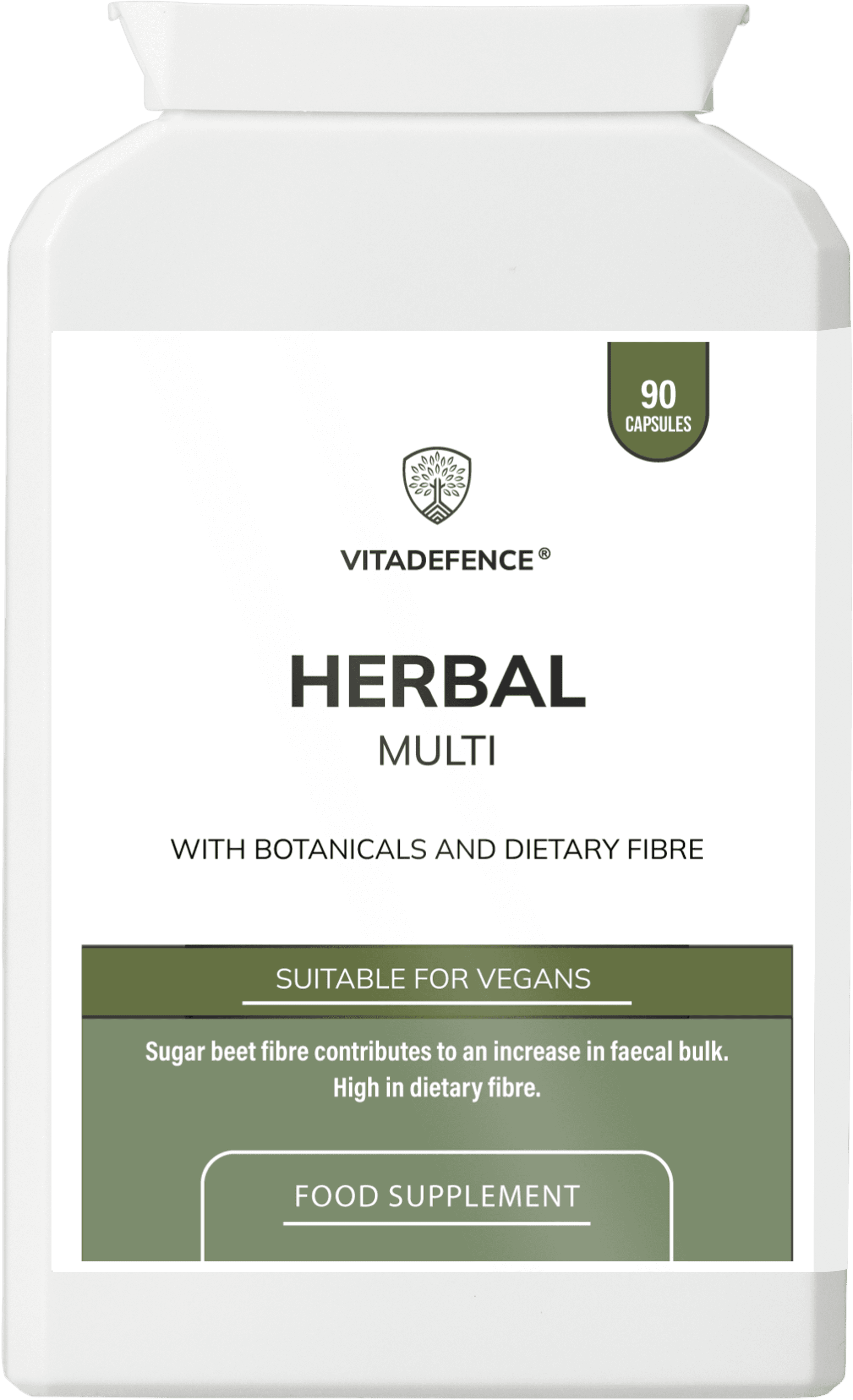
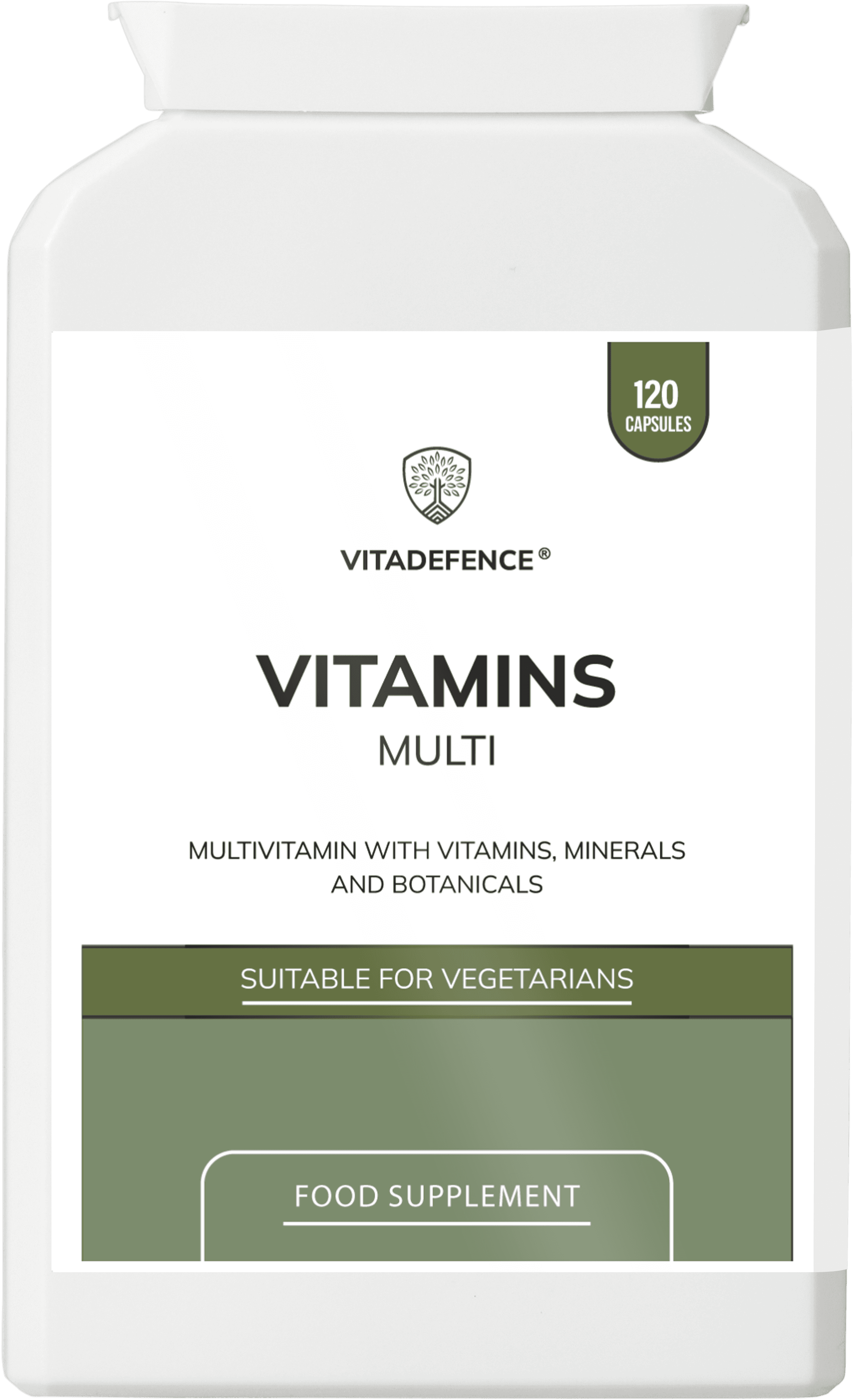
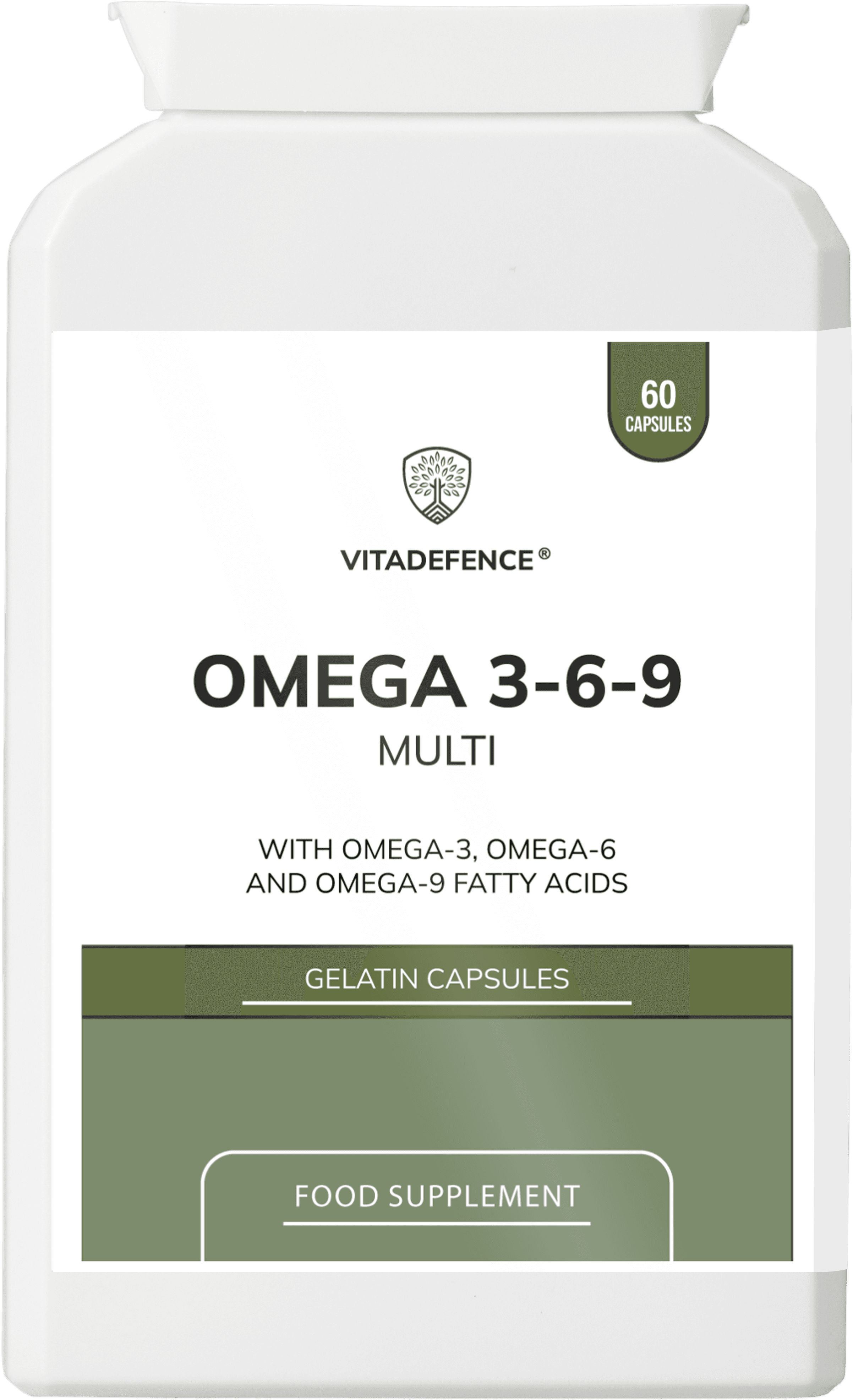
Our current CoQ10-related support comes through formulas like the Herbal Multi — combining adaptogens and antioxidants for daily energy and resilience — and the Omega 3-6-9 Multi for cardiovascular support that pairs naturally with any CoQ10 protocol you build. A daily multivitamin like the Vitamins Multi covers the B-vitamins and minerals that support your own CoQ10 production.
The takeaway
If you're under 40, healthy, and active, the case for ubiquinol over plain ubiquinone is modest. If you're over 40, on cardiovascular medication, or simply want the form that requires the least conversion — pay the small premium. The biology is on the ubiquinol side, especially as you get older.
Recommended for You
Herbal Multi — adaptogens and antioxidants for daily energy resilience.This article is for informational purposes only and does not constitute medical advice. Vitadefence supplements are food supplements, not medicines. They should not be used as a substitute for a varied diet and a healthy lifestyle. Consult a healthcare professional if you are pregnant, breastfeeding, on medication, or have a medical condition.
Related products
More from the journal
Spirulina: The Original Superfood — Protein, B12, and Phycocyanin Antioxidant Power
9 min · Ingredients
Siberian Ginseng Benefits: Why This Adaptogen Is Different From Panax Ginseng
7 min · Ingredients