Supplements for Focus and Exam Season: An Honest Guide
Supplements for Focus and Exam Season: An Honest Guide. Evidence-led plain-English guide from Vitadefence UK.
By Vitadefence Team

Walk into any university library during exam season and you’ll see the same scene: students hunched over laptops, thermoses of coffee, and the occasional suspicious-looking capsule bottle. The supplement industry knows this audience well, marketing everything from “brain-boosting nootropics” to “focus formulas” with claims that often overstep what the science actually supports. This guide cuts through the noise with an honest, evidence-led look at which supplements might genuinely help during exam season—and which are better left on the shelf. We’ll focus on ingredients with credible research, realistic expectations, and practical advice for students navigating high-pressure study periods.
Why exam season is uniquely demanding on your brain
The cognitive demands of exam preparation are different from everyday mental work. You’re asking your brain to sustain attention for hours, retrieve information rapidly, and manage stress simultaneously—all while often sleeping less and eating worse than usual. This trifecta of sleep deprivation, poor nutrition, and sustained cognitive load creates a perfect storm for mental fatigue.
From a physiological standpoint, exam stress triggers increased cortisol production, which in the short term can sharpen focus but over weeks can impair memory retrieval and decision-making. Meanwhile, the brain’s energy demands—it consumes roughly 20% of your body’s glucose despite being only 2% of your body weight—mean that any nutritional shortfall quickly becomes a cognitive one. This is where targeted supplementation might offer genuine support, but only if you understand what each ingredient actually does.
The science of focus: what the evidence actually says
Before diving into specific supplements, it’s worth understanding what “focus” means at a neurological level. Focus involves three overlapping systems: sustained attention (the ability to stay on task), working memory (holding information in mind while manipulating it), and cognitive flexibility (switching between tasks efficiently). Different supplements affect these systems differently, and none of them is a magic bullet.
Adaptogens and stress resilience
The most evidence-backed category for exam-season support isn’t actually “smart drugs” but adaptogens—herbs that help the body handle stress more effectively. When you’re stressed, your adrenal glands pump out cortisol. Chronically elevated cortisol literally shrinks the dendrites in your hippocampus, the brain region most critical for memory formation. Adaptogens work by modulating the HPA axis (your stress-response system) so that cortisol spikes are less extreme and recovery is faster.
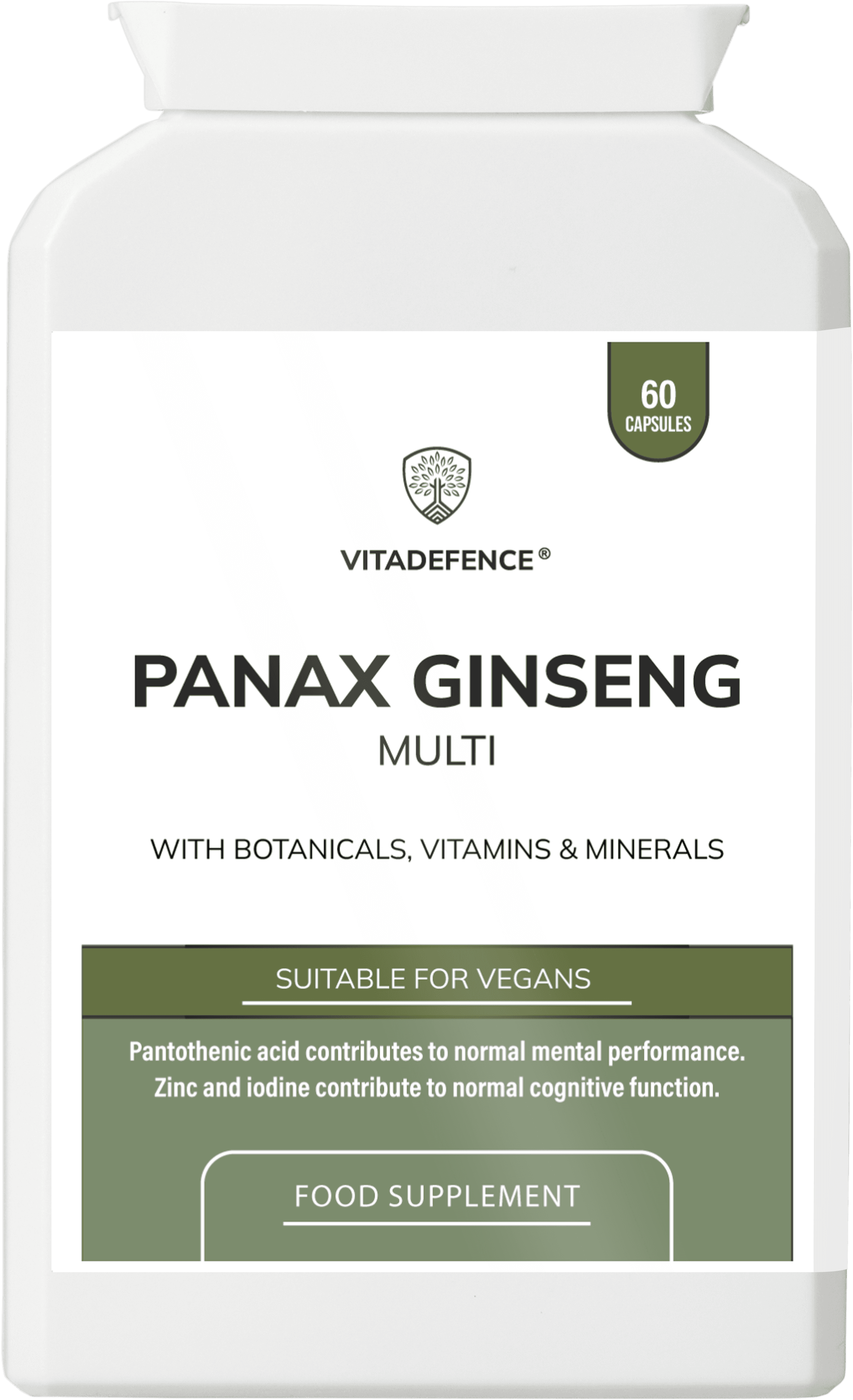
Panax ginseng is one of the most studied adaptogens for cognitive performance. A 2018 systematic review in Nutrients found that Panax ginseng improved working memory and reaction time in healthy adults, particularly during periods of mental fatigue. The active compounds called ginsenosides appear to enhance dopamine and norepinephrine signalling in the prefrontal cortex—the brain’s CEO. Doses used in clinical studies typically range from 200–400 mg of standardised extract daily. It’s worth noting that effects are subtle and build over weeks, not hours, so starting a month before exams makes more sense than popping one on the morning of a test.
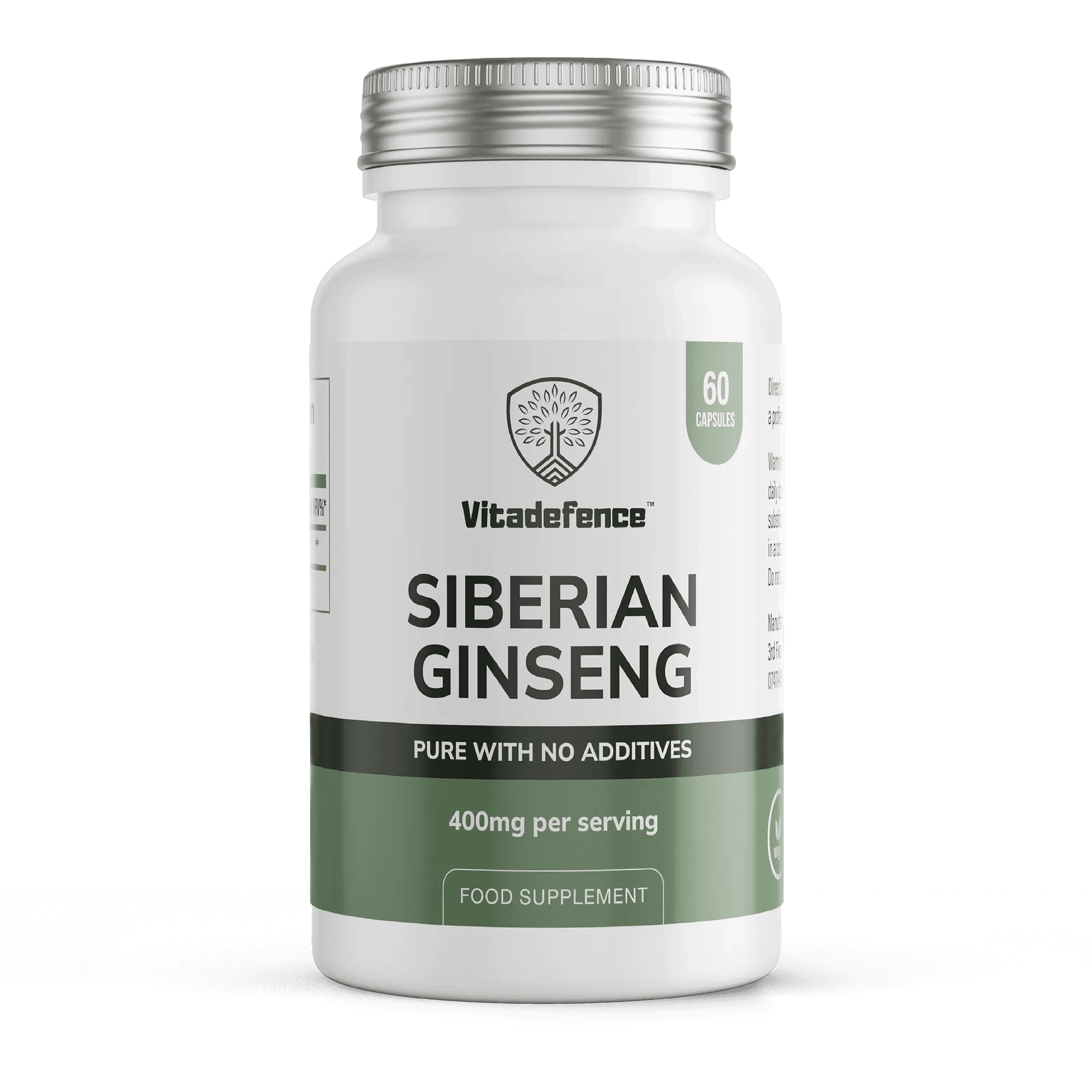
Siberian ginseng (Eleutherococcus senticosus) is a different plant entirely, despite the similar name. Its evidence base for cognitive performance is smaller but still relevant for exam contexts. A double-blind trial published in the International Journal of Sport Nutrition and Exercise Metabolism found that Siberian ginseng reduced subjective fatigue during sustained mental tasks. The mechanism appears to be improved oxygen utilisation in brain tissue, which is relevant during long study sessions. Typical doses range from 300–600 mg daily of standardised extract.
Magnesium: the overlooked cognitive mineral
Magnesium is involved in over 300 enzymatic reactions in the body, including those that regulate neurotransmitter release and synaptic plasticity—the biological basis of learning. During stress, magnesium is rapidly excreted through urine, which means exam periods can deplete your stores. Low magnesium levels are linked to poor concentration, irritability, and disrupted sleep (and we know sleep is when memory consolidation happens).
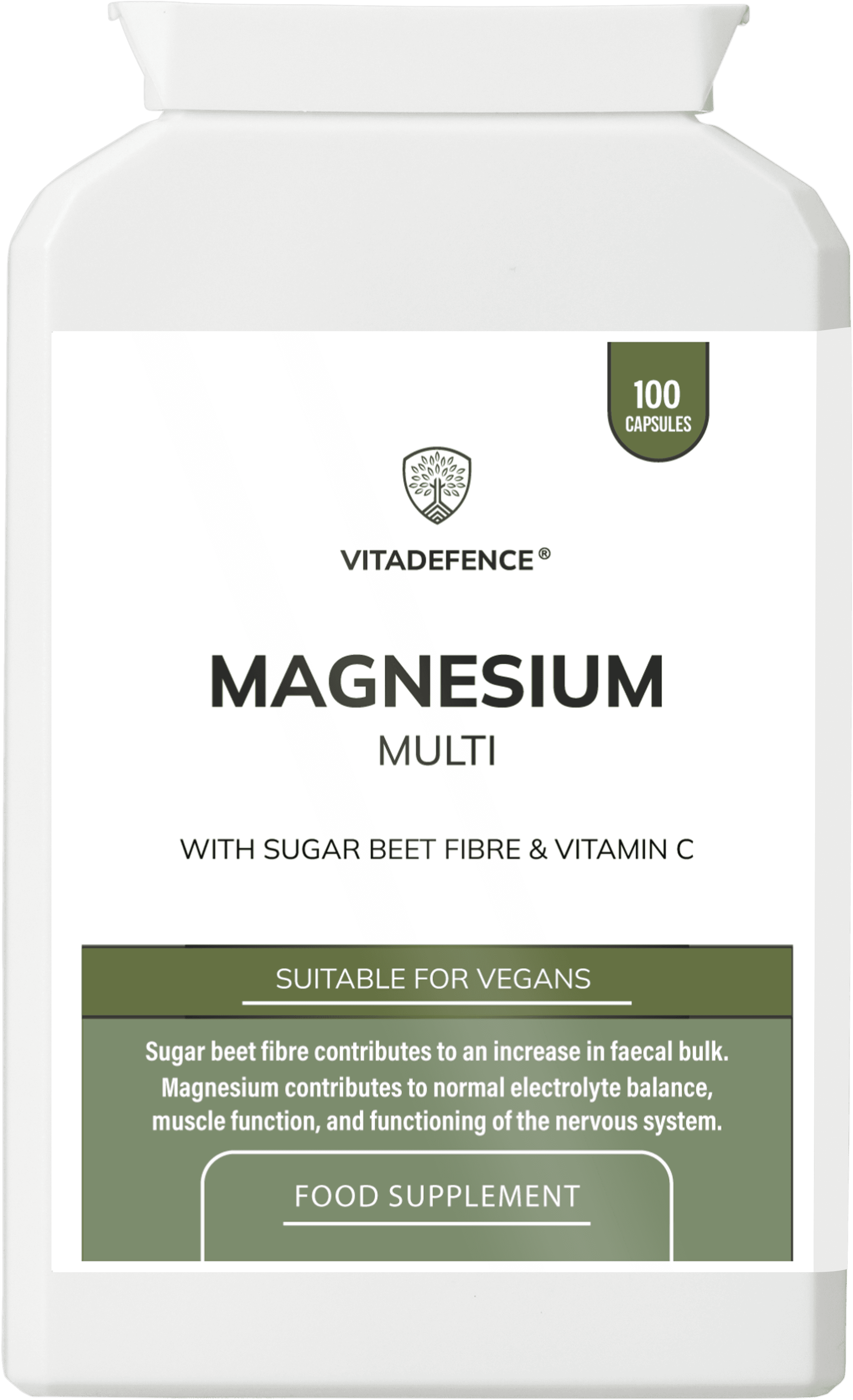
Magnesium multi provides a blend of magnesium forms, which is important because different forms have different absorption rates and tissue targets. Magnesium glycinate, for example, is well-absorbed and gentle on the stomach, making it ideal for daily use. A 2017 study in Neuron showed that magnesium supplementation improved cognitive function in older adults, but the principle applies to stressed students too. The EU Register of Health Claims authorises the statement: “Magnesium contributes to normal functioning of the nervous system” and “Magnesium contributes to normal psychological function.” These are modest claims, but they’re backed by solid evidence.
Practical guidance: how to use supplements during exam season
Supplements are not a substitute for good study habits, but they can support the physiology that makes good study possible. Here’s a practical framework:
- Start low, go slow. Begin with one supplement at a time, at the lowest effective dose, and monitor how you feel for at least a week. Adding multiple things at once makes it impossible to know what’s working.
- Time your doses wisely. Adaptogens like Panax ginseng are best taken in the morning or early afternoon to avoid interfering with sleep. Magnesium is often best taken in the evening, as it can promote relaxation and improve sleep quality.
- Cycle adaptogens. Most adaptogen experts recommend taking them for 6–8 weeks followed by a 1–2 week break to prevent tolerance.
- Don’t ignore the basics. No supplement can compensate for chronic sleep deprivation or a diet of instant noodles. Prioritise protein-rich meals, stay hydrated, and aim for 7–8 hours of sleep. Supplements are support, not salvation.
Who this approach is for (and who should be cautious)
This supplement strategy is designed for generally healthy adults (18+) who are experiencing the predictable cognitive strain of exam preparation. It is not appropriate for:
- Anyone under 18, unless under medical supervision
- Pregnant or breastfeeding women (ginseng in particular should be avoided during pregnancy)
- People with anxiety disorders, as some adaptogens can initially increase alertness before the calming effects kick in
- Those taking blood-thinning medication (ginseng can interact with warfarin)
- Anyone with a diagnosed sleep disorder
If you have any medical condition or take prescription medications, consult a healthcare professional before starting new supplements. This is especially important for stimulant-sensitive conditions like ADHD, where some adaptogens might interact with prescribed treatments.
Frequently asked questions
Can supplements replace caffeine during study sessions?
No, and they shouldn’t try. Caffeine is a well-studied performance enhancer for alertness and reaction time. The EU Register authorises the claim that “Caffeine contributes to increased alertness.” However, caffeine tolerance builds quickly, and excessive intake can cause jitters, anxiety, and sleep disruption. A better strategy is to use caffeine strategically (one cup before a focused study block) and use adaptogens like Panax ginseng for sustained energy without the crash.
How long before exams should I start taking supplements?
Most adaptogens require 2–4 weeks of consistent use before benefits become noticeable. Magnesium can show effects sooner, particularly if you were deficient to begin with. Ideally, start your chosen supplement regimen at least a month before your exam period begins. This allows time to assess tolerance and adjust dose if needed.
Are there any side effects I should expect?
Adaptogens are generally well-tolerated, but some people experience mild digestive upset, headaches, or initial jitteriness when starting Panax ginseng. Magnesium, particularly magnesium citrate, can cause loose stools if taken in excess. Starting with a low dose and taking it with food usually prevents these issues. If side effects persist, discontinue use and consult a healthcare professional.
Can I take multiple supplements together?
Yes, but cautiously. A well-designed stack might include one adaptogen (like Panax ginseng) in the morning and magnesium in the evening. Avoid combining multiple stimulant-like supplements (e.g., ginseng plus high-dose caffeine plus green tea extract) as this can overstimulate the nervous system. Our bundles are designed with complementary ingredients that work synergistically without overdoing it.
Do I need to cycle off adaptogens?
Yes, most experts recommend taking adaptogens for 6–8 weeks followed by a 1–2 week break. This prevents your body from developing tolerance and allows the stress-response system to reset. During exam season, you might take adaptogens for the 4–6 weeks leading up to exams, then take a break during the holiday period.
What about “nootropic stacks” that claim to boost IQ?
Be deeply sceptical of any supplement that promises to “boost intelligence” or “increase IQ.” The EU Register does not authorise such claims, and the evidence for most commercial nootropic blends is weak or non-existent. The ingredients we’ve discussed—Panax ginseng, Siberian ginseng, magnesium—have specific, modest, but reproducible effects on cognitive function under stress. That’s a far more honest and useful claim than any “smart drug” marketing hype.
How Vitadefence does it
We take a different approach to supplement manufacturing. Every Vitadefence product is made in the UK at our GMP-certified facility (3rd Floor, 86-90 Paul Street, London EC2A 4NE). We use HPMC (hydroxypropyl methylcellulose) capsules, which are plant-based, suitable for vegans, and free from common allergens. Unlike many supplement brands, we never use proprietary blends—you’ll see exactly how much of each ingredient is in every capsule, so you can make informed decisions about dosing.
Our manufacturing is registered with the Information Commissioner’s Office (ICO ZC106169), and we follow strict quality control protocols including third-party testing for purity and potency. When you order from us, you get free Royal Mail Tracked 48 delivery on all orders, so you’re not paying extra for shipping during what’s already an expensive time of year.
For exam-season support, we recommend starting with one product at a time. Many students find that Panax ginseng multi taken in the morning provides steady mental energy throughout study sessions, while magnesium multi taken in the evening supports relaxation and sleep quality. Siberian ginseng is a gentler alternative for those who find Panax too stimulating. Read our reviews to see what other students have experienced.
Bottom line
Exam season is genuinely hard on your brain and body. The right supplements can provide meaningful support—but only if you choose evidence-backed ingredients, use them consistently, and keep realistic expectations. No capsule will write your essays for you, but a well-designed regimen of adaptogens and minerals can help you sustain focus, manage stress, and sleep better during the most demanding weeks of your academic year.
If you’re ready to try a targeted approach, start with Panax ginseng multi or magnesium multi and see how your body responds. Remember to read the label, follow dosing instructions, and give it at least two weeks before judging the effects. For more tips on managing exam stress naturally, check out our companion blog post on study strategies that work alongside supplementation.
This article is for educational purposes only and does not constitute medical advice. The health claims made in this article are authorised by the EU Register of Nutrition and Health Claims (Regulation EC 1924/2006) for vitamins and minerals only. Botanicals such as Panax ginseng and Siberian ginseng are classified as traditional herbal medicinal products with a well-established use, and no disease treatment or cure claims are made. Always consult a healthcare professional before starting any new supplement regimen, particularly if you are pregnant, breastfeeding, taking medication, or have a medical condition. Individual results may vary.
Related products
More from the journal
Spirulina: The Original Superfood — Protein, B12, and Phycocyanin Antioxidant Power
9 min · Ingredients
Siberian Ginseng Benefits: Why This Adaptogen Is Different From Panax Ginseng
7 min · Ingredients