Biotin for Hair and Nails: An Honest Look at the Evidence
A balanced, evidence-based review of biotin's role in hair and nail health, including who benefits and realistic expectations.
By Vitadefence Team
Biotin is one of the most popular supplements for hair and nails, but does it actually work? Let's take an honest look at what the science says, separating fact from marketing hype.
What Is Biotin and Why Does It Matter?
Biotin, also known as vitamin B7 or vitamin H, is a water-soluble B vitamin that plays a key role in the metabolism of fatty acids, amino acids, and glucose. It's essential for the production of keratin, the protein that makes up hair, skin, and nails. Without enough biotin, these tissues can become weak and brittle.
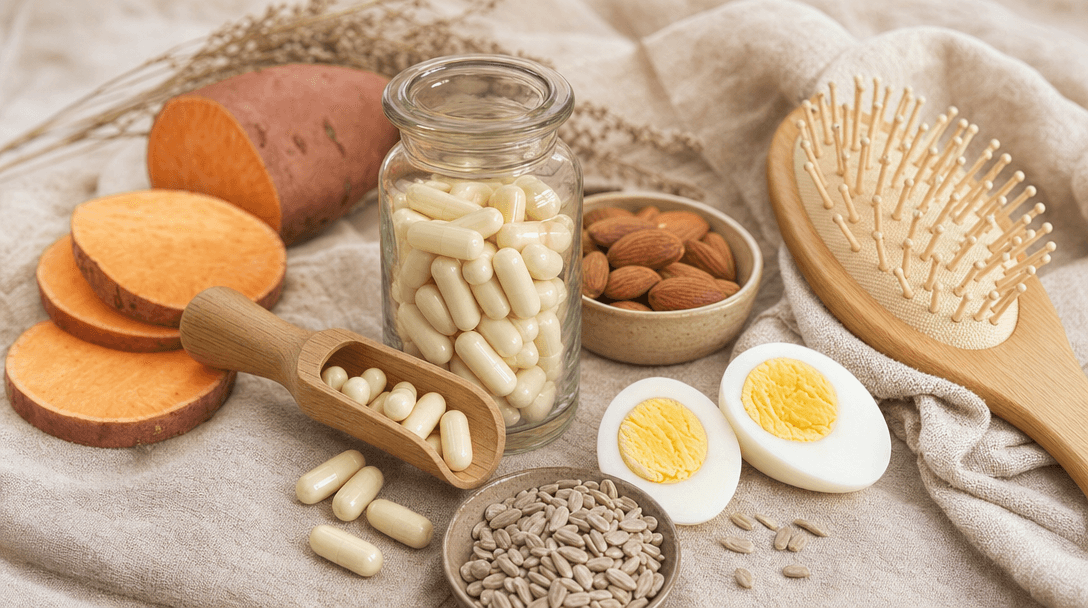
However, true biotin deficiency is rare. Most people get enough from their diet—foods like eggs, nuts, seeds, salmon, and sweet potatoes are rich sources. Deficiency is more common in pregnant women, people with certain digestive disorders, or those who consume raw egg whites regularly (which contain a protein that blocks biotin absorption).
What Does the Research Say?
For Hair Growth
Several small studies suggest that biotin supplementation can improve hair growth and reduce hair loss in people with low biotin levels. For example, a 2015 study published in Skin Appendage Disorders found that women with thinning hair who took a marine protein supplement containing biotin saw significant improvement in hair growth and quality after 90 days. However, the supplement also contained other ingredients, so it's hard to attribute the effect solely to biotin. PubMed link
A 2017 review in Dermatology Practical & Conceptual concluded that while biotin is often promoted for hair growth, evidence supporting its use in healthy individuals is limited. The authors noted that most studies are small, uncontrolled, or use combination products. PubMed link
For Nail Strength
There's slightly stronger evidence for nails. A 1989 study in Cutis gave biotin (2.5 mg/day) to women with brittle nails and found that 91% experienced improvement in nail thickness and reduced splitting after 5–6 months. A more recent 2017 study in Journal of Drugs in Dermatology reported similar benefits with 2.5 mg of biotin daily for 6 months. PubMed link
However, these studies were small and lacked placebo controls. Still, the consistency of results suggests biotin may help those with brittle nails.
Who Might Benefit from Biotin Supplements?
If you have a diagnosed biotin deficiency (rare), supplementation can definitely help. Symptoms include hair thinning, brittle nails, skin rashes, and fatigue. But for most people with a balanced diet, extra biotin won't make a dramatic difference.
That said, some individuals may have suboptimal biotin levels without overt deficiency. Pregnancy, breastfeeding, smoking, and certain medications (like some anticonvulsants) can increase biotin needs. In these cases, a supplement might be beneficial.
It's also worth noting that biotin is water-soluble, so excess is excreted in urine. Doses up to 10 mg per day are considered safe, though high doses can interfere with lab tests (like thyroid hormone levels).
What About Biotin for Hair Growth in Men?
Most research focuses on women, but biotin may help men with hair issues related to deficiency. For male pattern baldness (androgenetic alopecia), biotin alone is unlikely to help, as this condition is driven by hormones and genetics. A 2019 study in Dermatology and Therapy found that a supplement containing biotin, zinc, and other nutrients improved hair growth in men with thinning hair, but again, it's unclear which ingredient was responsible. PubMed link
Biotin in Food vs. Supplements
Getting biotin from food is always preferable. Good sources include:
- Egg yolks (cooked, not raw)
- Nuts and seeds (almonds, walnuts, sunflower seeds)
- Legumes (peanuts, soybeans)
- Organ meats (liver, kidney)
- Salmon
- Avocado
- Sweet potatoes
If you choose to supplement, typical doses range from 30 to 100 micrograms (mcg) for general health, but hair and nail products often contain much higher amounts—2,500 to 5,000 mcg (2.5–5 mg). While safe, there's no strong evidence that megadoses are more effective.
Bottom Line
Biotin is an essential nutrient for hair and nail health, but supplementation is only proven to help those with a deficiency or specific risk factors. For healthy individuals with a balanced diet, the evidence is weak. If you have brittle nails, a trial of 2.5 mg daily for 3–6 months might be worth considering. For hair loss, it's best to consult a healthcare professional to rule out other causes like iron deficiency, thyroid issues, or hormonal imbalances.
Remember, no supplement can replace a healthy lifestyle. Focus on a nutrient-rich diet, manage stress, and get enough sleep—these factors have a far greater impact on your hair and nails than any single vitamin.
More from the journal
Spirulina: The Original Superfood — Protein, B12, and Phycocyanin Antioxidant Power
9 min · Ingredients
Siberian Ginseng Benefits: Why This Adaptogen Is Different From Panax Ginseng
7 min · Ingredients