Methylcobalamin vs Cyanocobalamin: Which B12 for Vegans?
Methylcobalamin and cyanocobalamin are two forms of vitamin B12. Which is best for vegans? We examine the evidence.
By Vitadefence Team
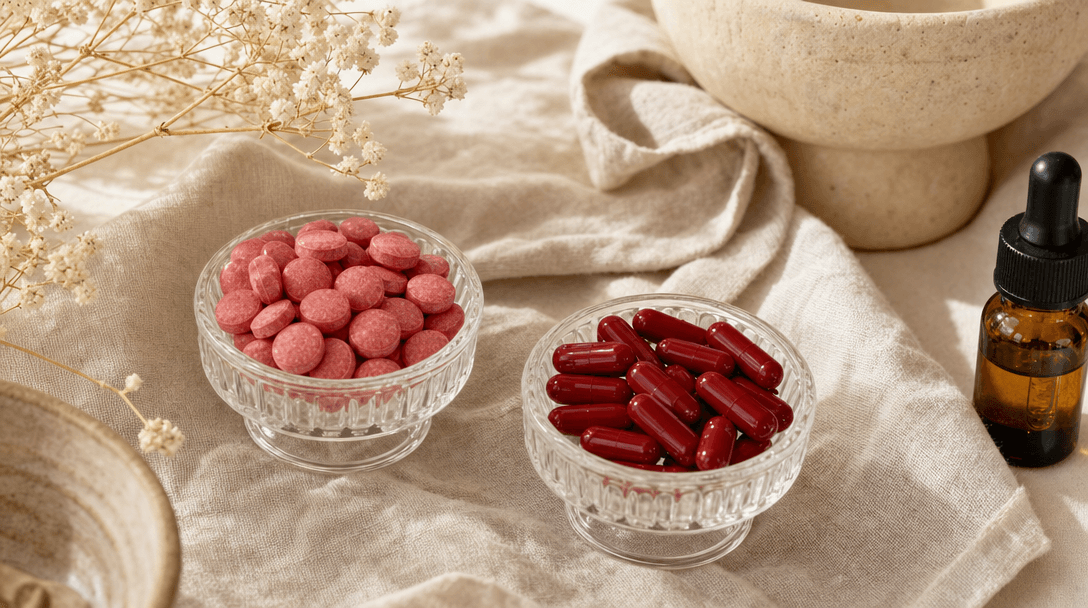
Vitamin B12 is essential for nerve function, red blood cell production, and DNA synthesis. For vegans, getting enough B12 is a challenge because it's naturally found only in animal products. Two common supplemental forms are methylcobalamin and cyanocobalamin. But which one should you choose? Let's look at the science.
Why B12 Matters for Vegans
Vitamin B12 (cobalamin) is a water-soluble vitamin that plays a key role in the normal functioning of the brain and nervous system, and in the formation of red blood cells. It's also involved in the metabolism of every cell in the body, especially affecting DNA synthesis and regulation, fatty acid synthesis, and energy production. A deficiency can lead to megaloblastic anaemia and neurological issues like numbness, tingling, and memory problems. Since plants don't produce B12, vegans must rely on fortified foods or supplements.
The Two Main Forms of B12 in Supplements
Most B12 supplements come in two forms: cyanocobalamin and methylcobalamin. There's also adenosylcobalamin and hydroxocobalamin, but these are less common in oral supplements.
Cyanocobalamin
Cyanocobalamin is the most common and cheapest form. It's synthetic, made in a lab, and contains a cyanide molecule. Don't worry — the amount is tiny (about 20 micrograms per 1000 mcg tablet) and is safely removed by the body. The body converts cyanocobalamin into the active forms (methylcobalamin and adenosylcobalamin) through enzymatic processes. It's stable and has a long shelf life.
Methylcobalamin
Methylcobalamin is a naturally occurring form found in animal foods. It's already in the active coenzyme form, meaning it doesn't need conversion. Some people believe this makes it superior, especially for neurological health. However, it's less stable and more expensive.
What Does the Research Say?
A 2017 review in the journal Nutrients compared the absorption and effectiveness of different B12 forms. The authors concluded that both cyanocobalamin and methylcobalamin are effective at raising B12 levels in the blood, and there's no strong evidence that one is better than the other for the general population. (PubMed link)
Another study in 2018 looked at patients with B12 deficiency and found that both forms improved symptoms and blood markers equally. (PubMed link)
However, some research suggests that methylcobalamin may be better for neurological conditions. A small study in 2015 found that methylcobalamin improved nerve regeneration in rats. But human studies are limited. (PubMed link)
Considerations for Vegans
For vegans, the priority is to get enough B12, regardless of form. The UK National Health Service (NHS) recommends 1.5 micrograms per day for adults, but many experts suggest higher doses (e.g., 25-100 mcg daily or 1000 mcg twice weekly) because absorption efficiency decreases with age and with higher doses.
Both forms are vegan-friendly, but check the label — some supplements contain gelatin or other animal-derived ingredients.
Potential Downsides
Cyanocobalamin's cyanide content has raised concerns, but the amount is negligible. The body can safely detoxify up to 50 mg of cyanide per day, and a 1000 mcg cyanocobalamin tablet contains only about 20 mcg of cyanide. For most people, this is not a concern.
Methylcobalamin is often touted as 'better' but it's more expensive and less stable. Some people report that methylcobalamin causes acne or anxiety, but evidence is anecdotal.
Bottom line
For most vegans, cyanocobalamin is a perfectly adequate and cost-effective choice. If you have a specific health condition (e.g., pernicious anaemia, kidney disease) or prefer a natural form, methylcobalamin is also effective. The most important thing is to take a reliable B12 supplement consistently. If you're unsure, consult a healthcare professional.
More from the journal
Spirulina: The Original Superfood — Protein, B12, and Phycocyanin Antioxidant Power
9 min · Ingredients
Siberian Ginseng Benefits: Why This Adaptogen Is Different From Panax Ginseng
7 min · Ingredients