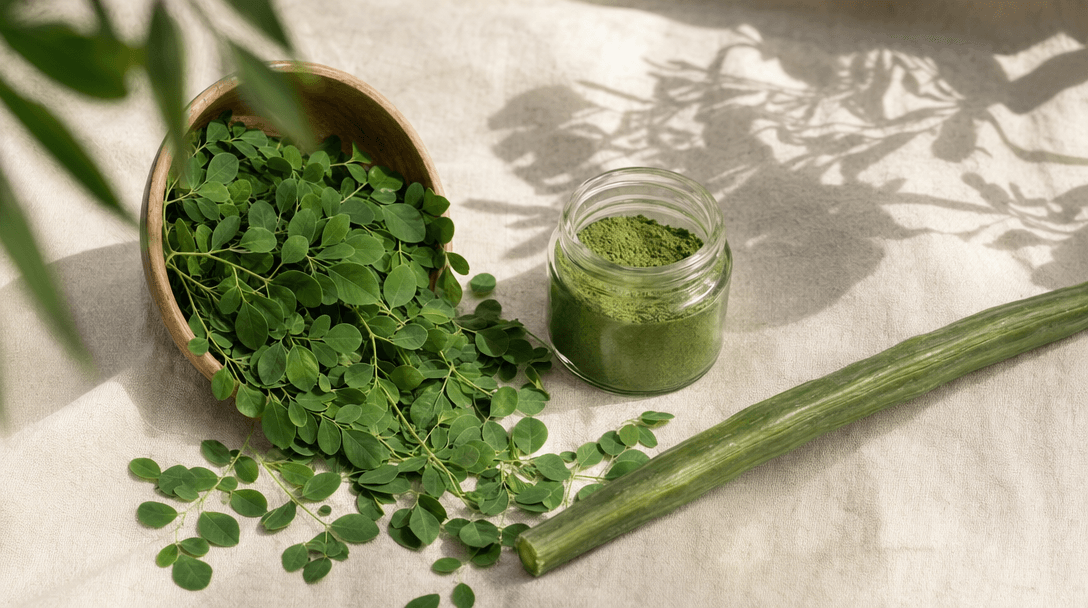
Fibre Supplements: The Overlooked Key to Digestive Health
Most UK adults eat only 18g of fibre daily — half the recommended amount. Discover why fibre is essential for gut health, blood sugar, and weight management, plus how to bridge the gap.
By Vitadefence Team

Despite being one of the most important nutrients for overall health, fibre is chronically under-consumed. The average UK adult eats only 18 grams per day — well below the recommended 30 grams. This fibre gap has significant consequences for digestive health, weight management, and disease prevention.
Why Fibre Matters
Fibre is the indigestible part of plant foods that passes through your digestive system largely intact. Far from being useless, it performs several critical functions:
- Feeds beneficial gut bacteria: Prebiotic fibres are fermented by gut bacteria, producing short-chain fatty acids (SCFAs) that nourish your colon lining and support immune function.
- Promotes regularity: Insoluble fibre adds bulk to stool and speeds transit time, preventing constipation.
- Controls blood sugar: Soluble fibre slows glucose absorption, preventing blood sugar spikes after meals.
- Supports weight management: Fibre increases satiety (feeling of fullness), helping you eat less without feeling deprived.
- Lowers cholesterol: Soluble fibre binds to bile acids in the gut, forcing your body to use cholesterol to make more, effectively lowering blood cholesterol levels.
Soluble vs. Insoluble Fibre
Soluble fibre dissolves in water to form a gel-like substance. Found in oats, beans, apples, and psyllium husk. Best for blood sugar and cholesterol management.
Insoluble fibre does not dissolve in water. Found in whole grains, vegetables, and wheat bran. Best for digestive regularity and preventing constipation.
Popular Fibre Supplements
Psyllium husk is one of the most well-researched fibre supplements, providing both soluble and insoluble fibre. It has been shown to reduce cholesterol, improve blood sugar control, and promote healthy bowel movements.
Inulin and FOS are prebiotic fibres that specifically feed beneficial Bifidobacteria in your gut. They're effective but can cause gas and bloating if introduced too quickly.
How to Start
If you're not used to a high-fibre diet, increase your intake gradually over 2-3 weeks. Drink plenty of water, as fibre absorbs liquid. Starting with 5-10 grams of supplemental fibre per day and building up is a sensible approach. Taking fibre with meals can help moderate blood sugar and extend satiety.
How to Choose a Quality Fibre Supplement
Different types of fibre serve different purposes, so choosing the right one matters:
- Psyllium husk: The most studied fibre supplement. It is a soluble fibre that forms a gel in the gut, which helps both constipation and diarrhoea by normalising stool consistency. Also shown to reduce cholesterol levels.
- Inulin and FOS (fructooligosaccharides): Prebiotic fibres that feed beneficial gut bacteria. Excellent for supporting microbiome diversity. Start with small doses as they can cause gas and bloating initially.
- Acacia fibre: A gentle soluble fibre that is well-tolerated by most people, including those with IBS. Less likely to cause bloating than inulin or psyllium.
- Glucomannan (konjac root): A soluble fibre that absorbs large amounts of water, creating a strong feeling of fullness. It has EU-approved health claims for weight management when combined with a calorie-controlled diet.
- Methylcellulose: A non-fermentable fibre that does not produce gas. Good for those who experience bloating with other fibre supplements.
Start with a low dose and increase gradually over 1–2 weeks to allow your gut to adapt.
Who Should Consider Fibre Supplementation?
Fibre supplementation may be particularly beneficial for:
- Anyone not meeting the recommended 30 grams of fibre per day (the average UK adult consumes only about 18 grams)
- People with irregular bowel movements, whether constipation or loose stools
- Those looking to support healthy cholesterol levels naturally
- Anyone wanting to improve blood sugar control — soluble fibre slows glucose absorption
- People focused on weight management — fibre increases satiety and reduces total calorie intake
- Those wanting to support gut microbiome diversity through prebiotic fibres
- IBS sufferers (though specific fibre type selection is important — consult a healthcare professional)
Daily Tips for Increasing Your Fibre Intake
Always drink plenty of water when taking fibre supplements — fibre absorbs water, and insufficient fluid can worsen constipation rather than relieve it. Increase fibre gradually (add 5 grams per week) to minimise bloating and gas as your gut bacteria adjust. Take fibre supplements 30–60 minutes before meals to promote fullness and reduce overall food intake. Space fibre supplements at least 2 hours away from medications, as fibre can reduce drug absorption. Complement supplemental fibre with whole food sources: beans, lentils, oats, berries, broccoli, and whole grains. Aim for a mix of soluble and insoluble fibre for complete digestive support.
Recommended for You

Botanical Fibre Multi — 300 g
£15.49
Shop NowThis article is for informational purposes only and does not constitute medical advice. Vitadefence supplements are food supplements, not medicines. Consult a healthcare professional if you are pregnant, breastfeeding, on medication, or have a medical condition.
More from the journal
Spirulina: The Original Superfood — Protein, B12, and Phycocyanin Antioxidant Power
9 min · Ingredients
Siberian Ginseng Benefits: Why This Adaptogen Is Different From Panax Ginseng
7 min · Ingredients