Iron Deficiency in Women: Symptoms, Causes, and the Best Supplement Forms
Up to 25% of UK women have low iron stores. Recognise the symptoms, understand the causes, and learn which iron supplement forms are best absorbed with fewest side effects.
By Vitadefence Team
Iron deficiency is the most common nutritional deficiency worldwide, and women of reproductive age are disproportionately affected. In the UK, studies suggest that up to 25% of women have low iron stores, often without knowing it.
Why Women Need More Iron
Women require more iron than men due to monthly blood loss during menstruation. The NHS recommends 14.8 mg of iron per day for women aged 19-50, compared to 8.7 mg for men. Pregnancy increases the requirement further, as blood volume expands by up to 50% to support the growing baby.
Recognising the Symptoms
Iron deficiency often develops gradually, making it easy to dismiss early symptoms as just being tired. Watch for these signs:
- Persistent fatigue and weakness
- Pale skin, lips, or inner eyelids
- Shortness of breath during normal activities
- Cold hands and feet
- Brittle nails or hair loss
- Unusual cravings (ice, clay, or starch)
- Restless legs, especially at night
- Frequent infections
Common Causes Beyond Menstruation
While menstruation is the most common cause, other factors include inadequate dietary intake (particularly in vegetarian and vegan diets), pregnancy, intense exercise, digestive conditions affecting absorption (coeliac disease, IBD), and frequent blood donation.
Choosing the Right Iron Supplement
Not all iron supplements are equal. Common forms include:
- Ferrous sulphate: Most commonly prescribed, affordable but can cause digestive side effects.
- Ferrous fumarate: Better tolerated by some people, good absorption.
- Iron bisglycinate: A chelated form that is gentler on the stomach and well-absorbed. Increasingly recommended by nutritionists.
Tips for Better Absorption
Take iron with vitamin C (a glass of orange juice works well). Avoid taking iron with tea, coffee, or calcium supplements, as these can reduce absorption by up to 60%. Taking iron on an empty stomach improves absorption but may increase stomach discomfort — find the balance that works for you.
How to Choose a Quality Iron Supplement
Choosing the right iron supplement can mean the difference between effective correction and weeks of stomach discomfort:
- Iron bisglycinate (chelated iron): This is increasingly the preferred form among nutritionists. It is gentle on the stomach, well-absorbed, and less likely to cause the constipation and nausea associated with other forms. Absorption is less affected by food and other minerals.
- Ferrous fumarate: Contains a higher percentage of elemental iron (33%) and is reasonably well-tolerated. A good mid-range option.
- Ferrous sulphate: The most commonly prescribed form and the cheapest. However, it has the highest rate of gastrointestinal side effects including constipation, nausea, and dark stools.
- Look for added vitamin C: Vitamin C can increase iron absorption by up to 6x. A supplement that includes it saves you having to coordinate timing with orange juice.
- Avoid combined multivitamins for iron correction: If you have been diagnosed with iron deficiency, a standalone iron supplement will be more effective than a multivitamin, which typically contains only maintenance-level doses.
Who Should Consider Iron Supplementation?
Iron supplementation may be particularly important for:
- Women with heavy menstrual periods — the most common cause of iron deficiency in premenopausal women
- Pregnant women, especially in the second and third trimesters when blood volume increases dramatically
- Vegetarians and vegans — plant-based (non-haem) iron is absorbed at only 2–20% compared to 15–35% for animal-based (haem) iron
- Endurance athletes, particularly female runners (repetitive foot striking can damage red blood cells)
- Regular blood donors — each donation removes approximately 250mg of iron from your body
- People with coeliac disease, IBD, or other conditions affecting nutrient absorption
Always confirm deficiency with a blood test before supplementing. Excess iron is stored in the body and can cause harm at high levels.
Daily Tips for Better Iron Absorption
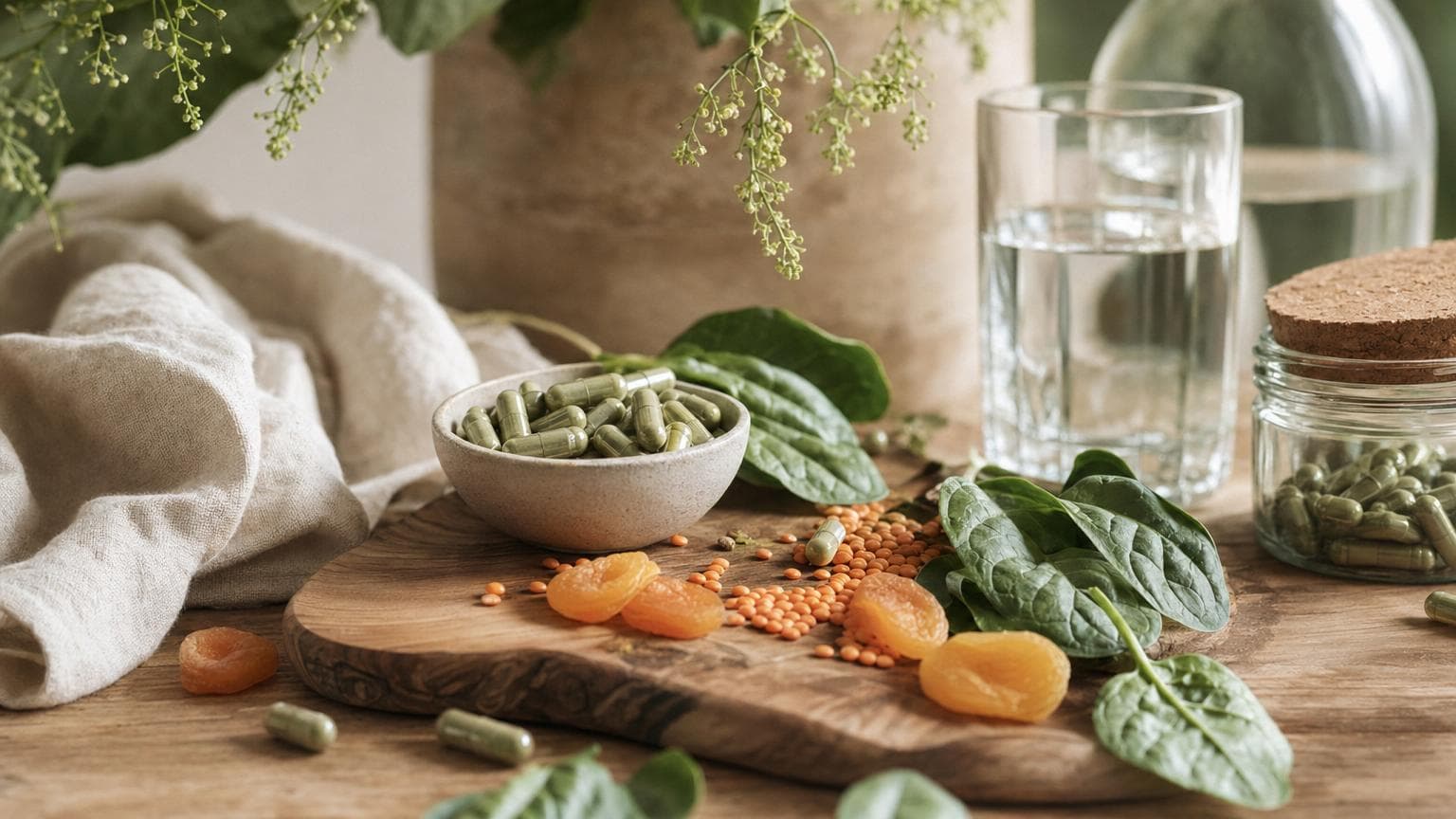
Take your iron supplement with vitamin C-rich foods or drinks (orange juice, strawberries, bell peppers) to dramatically boost absorption. Avoid taking iron within 2 hours of calcium supplements, dairy products, tea, or coffee — all of which inhibit iron absorption. If your supplement causes stomach upset, try taking it every other day instead of daily — research from ETH Zurich found that alternate-day dosing actually improved absorption while reducing side effects. Cook in cast-iron pans to add small amounts of dietary iron to your food. Pair plant-based iron sources (lentils, spinach, beans) with vitamin C at the same meal.
This article is for informational purposes only and does not constitute medical advice. Vitadefence supplements are food supplements, not medicines. They should not be used as a substitute for a varied diet and a healthy lifestyle. Consult a healthcare professional if you are pregnant, breastfeeding, on medication, or have a medical condition.
Related products
More from the journal
Spirulina: The Original Superfood — Protein, B12, and Phycocyanin Antioxidant Power
9 min · Ingredients
Siberian Ginseng Benefits: Why This Adaptogen Is Different From Panax Ginseng
7 min · Ingredients