Maca Root: The Andean Adaptogen for Energy and Vitality
Used for over 2,000 years in the Peruvian Andes, maca root is a cruciferous adaptogen that supports daily energy and vitality. Here is the modern research.
By Vitadefence Team

For centuries, high in the Peruvian Andes, a humble root has been cultivated not just as a staple food, but as a revered source of stamina and resilience. Known today as maca root, this cruciferous vegetable has transitioned from traditional Andean lore to a modern wellness staple, prized for its ability to support natural energy and vitality without the jitters of a caffeine hit. As interest in adaptogens grows, maca stands out for its unique history, its distinct varieties, and its gentle, sustained approach to supporting the body’s daily vigour.
Rooted in Andean Tradition
Maca, or Lepidium meyenii, has been cultivated on the high plateaus of Peru for over two thousand years. Indigenous communities valued it as a food source and a traditional tonic, often used to support physical endurance and general well-being during harsh conditions. In traditional practice, the root was dried and consumed as a porridge or fermented into a mild beverage. This long history of use, rather than any single clinical claim, underpins its modern reputation. It is important to note that while traditional use suggests benefits for energy and vitality, maca is not a medicine; rather, it is a nutrient-dense food that may support the body’s natural adaptive responses.
Three Colours, One Root: Yellow, Red, and Black
One of the most fascinating aspects of maca is its natural colour variation. The root grows in three primary shades—yellow, red, and black—each with a subtly different profile of nutrients and bioactive compounds. Yellow maca is the most common and is often used in general energy blends. Red maca is traditionally associated with supporting prostate health in men, while black maca is frequently linked to cognitive function and stamina. In practice, many supplement formulations combine all three to offer a broad spectrum of potential benefits. The colour differences are not merely cosmetic; they reflect distinct phytochemical compositions, which is why a high-quality maca product will often specify the blend. Research suggests that these variations may influence how the root interacts with the body, though further studies are needed to confirm specific effects.
A Gentle Alternative to Caffeine
For those seeking a lift in energy without the spike-and-crash cycle of caffeine, maca offers a compelling alternative. Unlike coffee or energy drinks, which stimulate the central nervous system, maca is classified as an adaptogen—a substance that may help the body adapt to physical and mental stress. Its effects are more gradual and sustained, often described as a steady, grounded sense of vitality rather than a sudden rush. This makes it particularly suitable for individuals who are sensitive to stimulants or who experience afternoon slumps. By supporting the adrenal system and balancing stress hormones, maca may contribute to a more even energy curve throughout the day, allowing for improved focus and endurance without the accompanying jitters or sleep disruption.
Harvested at Altitude: Sustainability and Quality
Maca’s growing conditions are as unique as its properties. It thrives only at altitudes between 3,800 and 4,500 metres, where the soil is poor and the climate is harsh. This extreme environment means that maca is naturally resilient, requiring no synthetic pesticides or fertilisers. Sustainable harvesting practices are critical, as the root takes up to nine months to mature and is often rotated with other crops to preserve soil health. Ethical suppliers work directly with local cooperatives to ensure fair wages and traditional farming methods are maintained. When choosing a maca supplement, looking for organically certified, sustainably sourced products from Peru helps ensure both quality and support for the communities that have cultivated this root for millennia.
Stacking with Ashwagandha: The Adaptogenic Duo
For those looking to maximise the adaptogenic benefits, maca is often paired with ashwagandha. While maca is traditionally associated with energy and libido, ashwagandha is known for its calming, stress-reducing properties. Together, they form a complementary stack: maca may help support physical stamina and mental clarity, while ashwagandha contributes to a balanced stress response and improved sleep quality. This combination is popular among those managing demanding lifestyles, as it addresses both the need for sustained energy and the need for recovery. It is important to note that while both are well-tolerated, individuals with thyroid conditions or those taking medication for blood pressure should consult a healthcare professional before introducing adaptogens into their routine.
In summary, maca root offers a gentle, tradition-backed approach to supporting energy and vitality. Whether enjoyed on its own or as part of an adaptogenic stack, it provides a natural alternative to stimulants, grounded in centuries of Andean wisdom and modern nutritional science. As always, it is best used as part of a balanced diet and healthy lifestyle, rather than as a quick fix.
Recommended for You

Maca Root Multi — 90 Vegan Capsules
£16.49
Shop NowThis article is for informational purposes only and does not constitute medical advice. Vitadefence supplements are food supplements, not medicines. Consult a healthcare professional if you are pregnant, breastfeeding, on medication, or have a medical condition.
More from the journal
Spirulina: The Original Superfood — Protein, B12, and Phycocyanin Antioxidant Power
9 min · Ingredients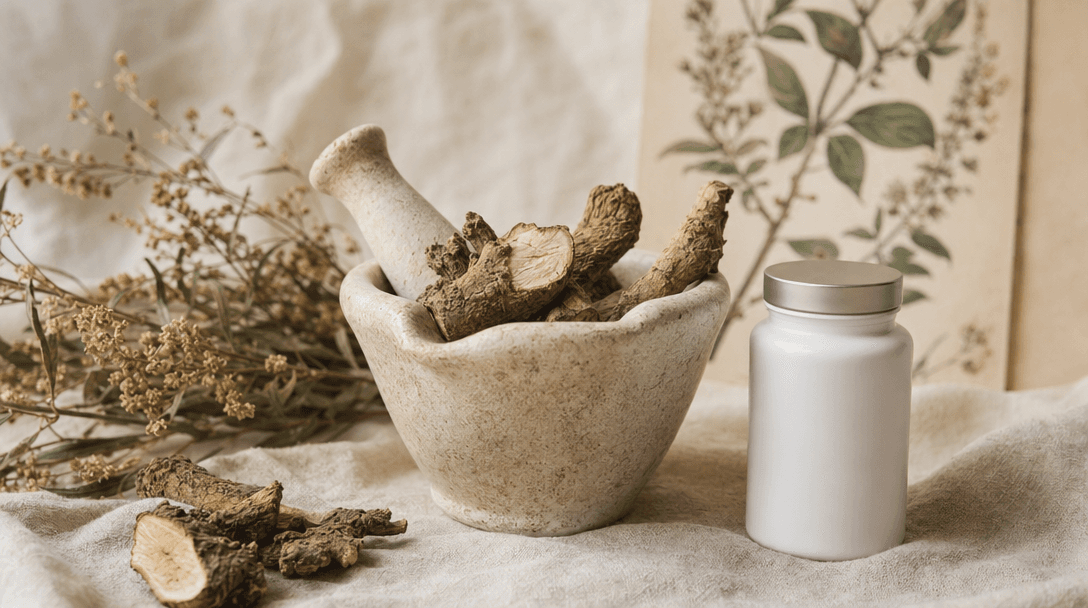
Siberian Ginseng Benefits: Why This Adaptogen Is Different From Panax Ginseng
7 min · Ingredients