Natural Anti-Inflammatory Foods and Supplements: What Holds Up
Natural Anti-Inflammatory Foods and Supplements: What Holds Up. Evidence-led plain-English guide from Vitadefence UK.
By Vitadefence Team
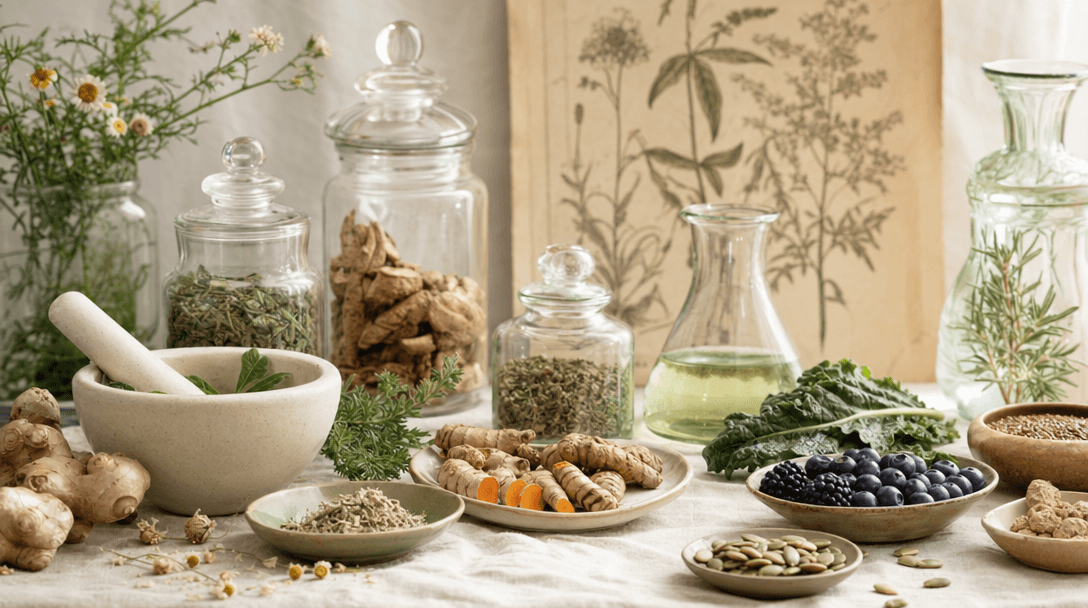
Inflammation is the body's natural response to injury and infection, but when it becomes chronic, it can contribute to joint discomfort, digestive issues, and long-term health concerns. While many foods and supplements claim to reduce inflammation, only a handful are backed by rigorous clinical research. This article examines the evidence behind natural anti-inflammatory options and highlights what truly holds up under scientific scrutiny.
Understanding inflammation: the good, the bad, and the chronic
Acute inflammation is a vital part of the immune response—it helps heal wounds and fight off pathogens. However, when inflammatory signals persist without resolution, they can damage healthy tissues. Chronic low-grade inflammation has been linked to conditions such as osteoarthritis, rheumatoid arthritis, cardiovascular disease, and metabolic syndrome.
Diet and lifestyle play a significant role in modulating inflammatory pathways. Certain plant compounds, omega-3 fatty acids, and specific vitamins can help support a balanced inflammatory response. But not all so-called "anti-inflammatory" ingredients are created equal. The EU Register of nutrition and health claims (EC Regulation 1924/2006) strictly regulates which claims can be made, and only those with robust evidence are authorised.
The science behind natural anti-inflammatory compounds
Research has identified several bioactive compounds with measurable effects on inflammatory markers. These include curcuminoids from turmeric, long-chain omega-3s from marine sources, and anthocyanins from tart cherries. Below we examine the evidence for the most promising candidates.
Curcumin and turmeric
Curcumin, the primary polyphenol in turmeric, has been studied extensively for its ability to modulate nuclear factor-kappa B (NF-κB), a key regulator of inflammatory gene expression. A 2017 meta-analysis in Journal of Medicinal Food found that curcumin supplementation significantly reduced C-reactive protein (CRP) levels in patients with metabolic syndrome (PubMed ID: 29027858). However, curcumin has poor bioavailability—less than 1% reaches systemic circulation. For this reason, formulations with piperine (black pepper extract) or novel delivery systems are essential for efficacy. Typical clinical doses range from 500 mg to 1500 mg of curcuminoids per day.
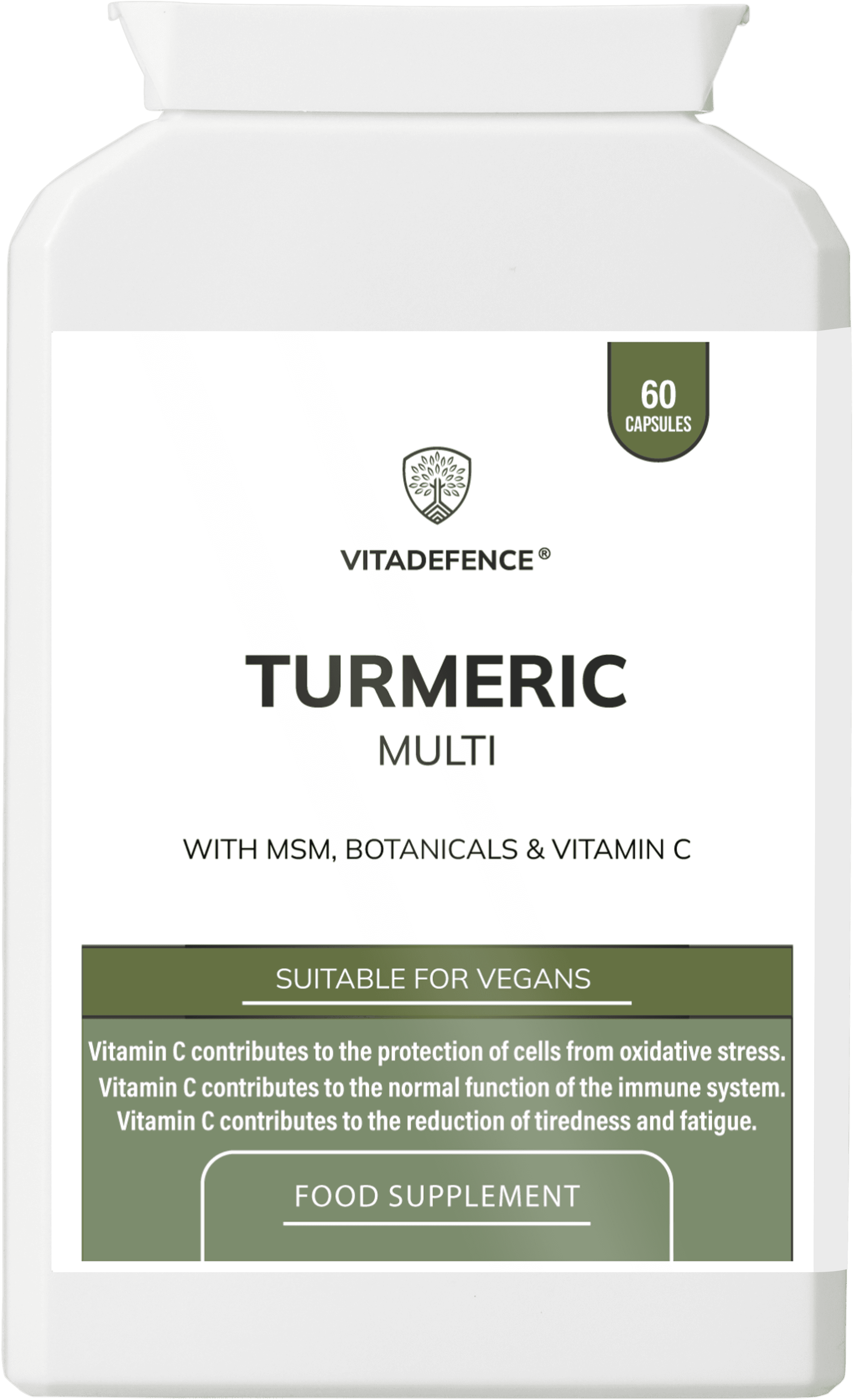
At Vitadefence, our Turmeric Multi combines curcumin with piperine and other supportive nutrients to enhance absorption and provide a comprehensive anti-inflammatory support formula.
Omega-3 fatty acids (EPA and DHA)
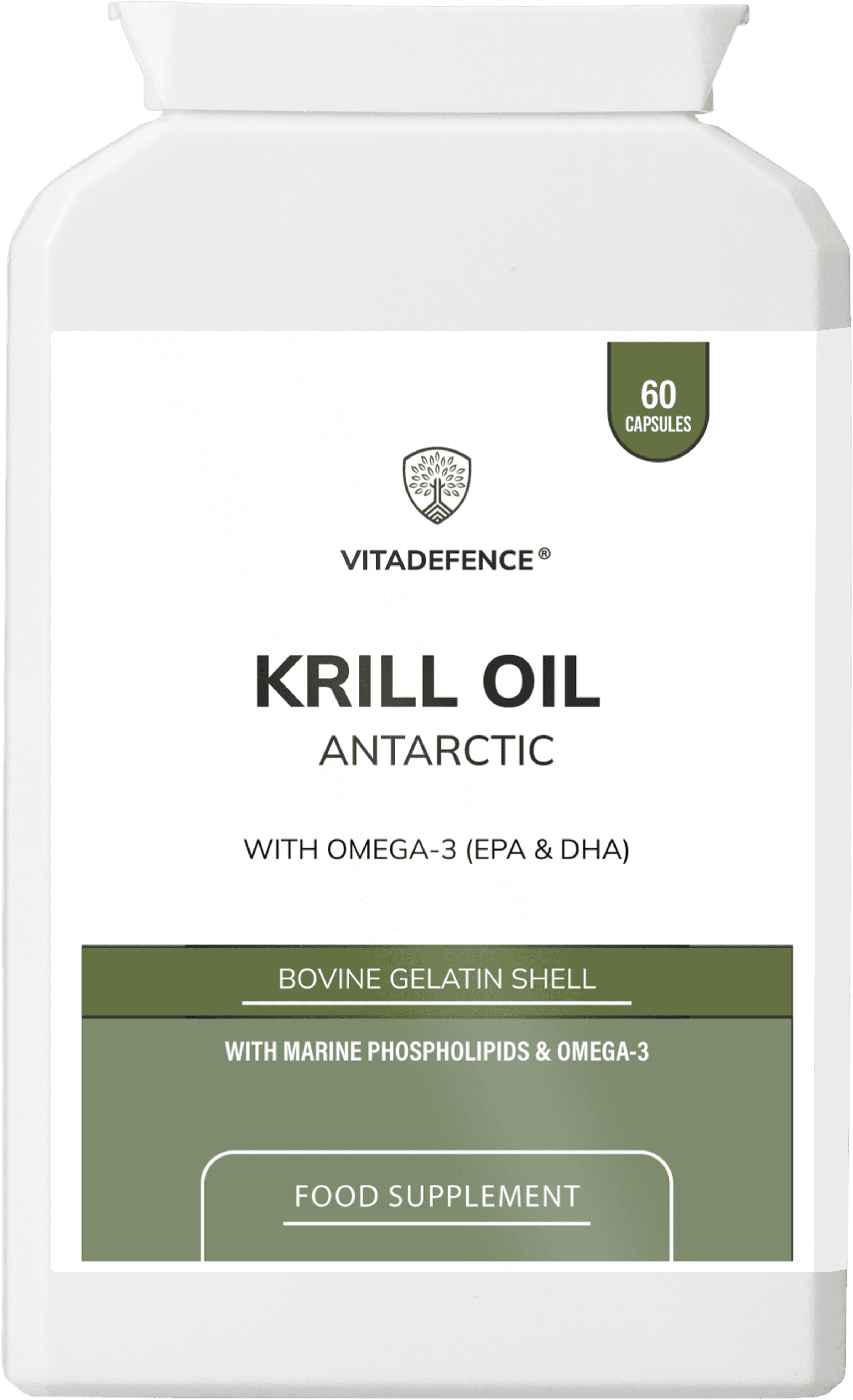
Eicosapentaenoic acid (EPA) and docosahexaenoic acid (DHA) from fish oil or krill oil are among the most well-researched natural anti-inflammatories. They work by competing with arachidonic acid in the cyclooxygenase pathway, reducing production of pro-inflammatory prostaglandins and leukotrienes. A 2018 systematic review in Nutrition Research concluded that omega-3 supplementation significantly reduced joint pain and stiffness in rheumatoid arthritis patients (PubMed ID: 29773019).
Krill oil offers an advantage over standard fish oil: its phospholipid-bound omega-3s are more easily incorporated into cell membranes, and it contains astaxanthin, a potent antioxidant. For those seeking a marine source, our Krill Oil Antarctic provides 500 mg of EPA and DHA per serving, sustainably sourced from the Southern Ocean.
Montmorency tart cherries
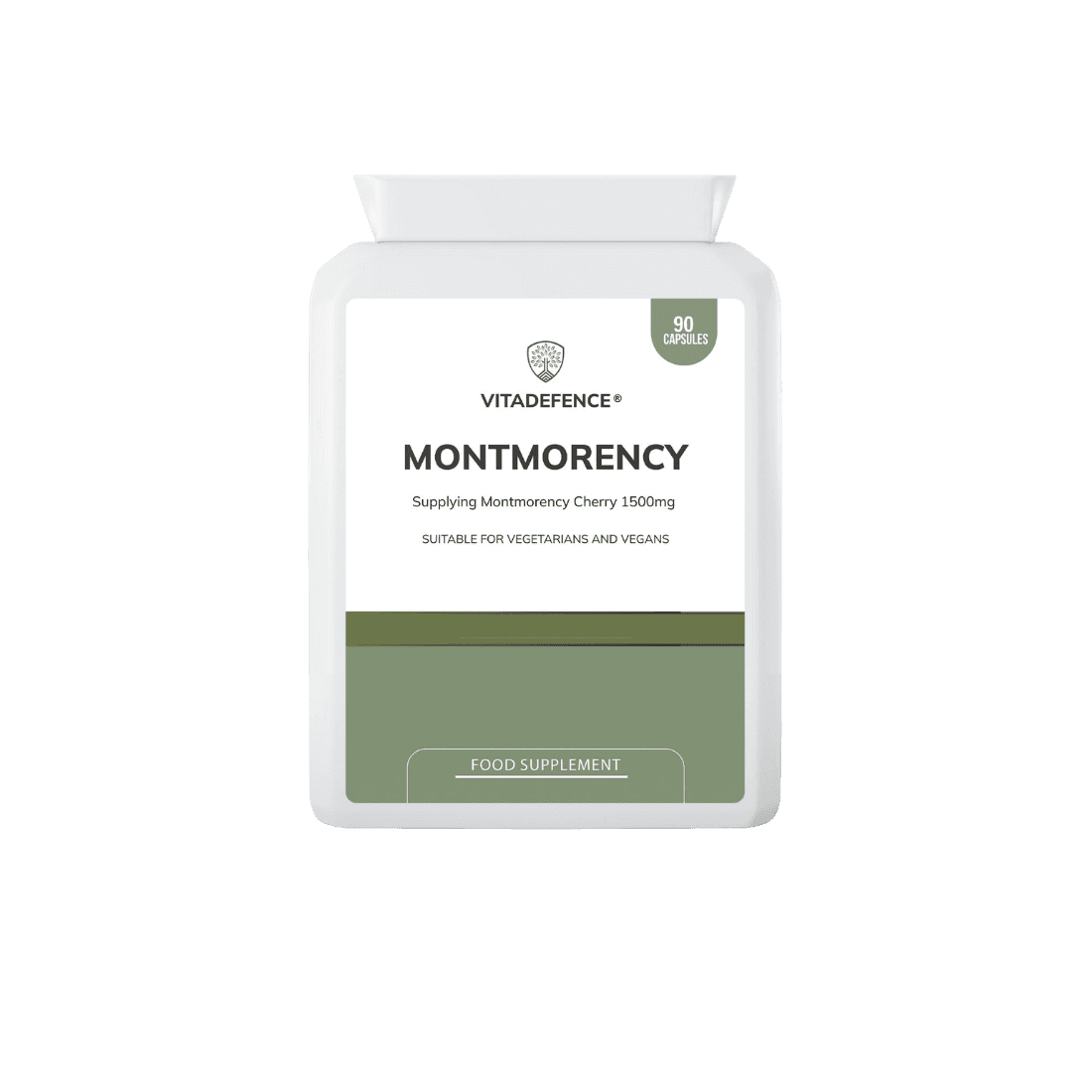
Montmorency cherries are rich in anthocyanins—specifically cyanidin-3-glucoside—which have been shown to inhibit cyclooxygenase enzymes similarly to non-steroidal anti-inflammatory drugs (NSAIDs), but without the gastrointestinal side effects. A 2019 randomised controlled trial in European Journal of Nutrition found that daily consumption of Montmorency cherry concentrate reduced CRP and uric acid levels in healthy adults (PubMed ID: 30159602).
Our Montmorency Cherry Capsules deliver a concentrated dose of anthocyanins, equivalent to approximately 100 whole cherries per serving, without the added sugars found in juices.
Practical guidance: how to incorporate anti-inflammatory foods and supplements
While supplements can be helpful, they work best as part of a balanced anti-inflammatory diet. Key dietary principles include:
- Increase polyphenol-rich foods: Berries, cherries, green tea, dark leafy greens, and spices like turmeric and ginger.
- Choose healthy fats: Extra-virgin olive oil, avocados, nuts, seeds, and fatty fish (salmon, mackerel, sardines).
- Limit pro-inflammatory triggers: Refined carbohydrates, trans fats, processed meats, and excessive alcohol.
- Consider targeted supplementation: When dietary intake falls short, evidence-based supplements can fill the gap.
For optimal results, combine dietary changes with regular physical activity, stress management, and adequate sleep—all of which modulate inflammatory pathways.
Who should consider anti-inflammatory supplements?
Chronic inflammation can affect anyone, but certain groups may benefit most:
- Adults with joint discomfort: Curcumin and omega-3s have both shown benefits for osteoarthritis and rheumatoid arthritis.
- Athletes and active individuals: Tart cherry supplementation has been shown to reduce muscle soreness and speed recovery after intense exercise.
- Those with metabolic syndrome: CRP-lowering effects of curcumin and omega-3s may support cardiovascular health.
- Older adults: Ageing is associated with increased inflammatory markers; dietary interventions can help maintain healthspan.
Who should be cautious?
While generally safe, some supplements require caution:
- Blood-thinning medications: Omega-3s and curcumin can have mild anticoagulant effects. Consult a doctor if you take warfarin or other anticoagulants.
- Gallbladder issues: High-dose curcumin may stimulate bile production; avoid if you have gallstones or bile duct obstruction.
- Pregnancy and breastfeeding: Limited safety data for high-dose supplements; stick to food sources unless advised otherwise.
- Allergies: Those with shellfish allergies should avoid krill oil (though the allergen is in the shell, not the oil, caution is advised).
Always speak with a healthcare professional before starting any new supplement regimen, especially if you have underlying health conditions or take prescription medications.
Frequently asked questions
1. Can diet alone reduce inflammation?
Yes, a diet rich in whole plant foods, healthy fats, and lean proteins can significantly lower inflammatory markers. However, for many people, achieving therapeutic levels of specific compounds (e.g., 500 mg curcumin daily) from food alone is impractical—supplements can bridge this gap.
2. How long does it take for anti-inflammatory supplements to work?
Most studies show measurable benefits within 4–12 weeks of consistent use. Omega-3s typically require at least 8 weeks to reach steady-state levels in cell membranes. Curcumin's effects on joint pain may be noticeable within 2–4 weeks.
3. Are there any side effects from anti-inflammatory supplements?
Generally well-tolerated. High-dose omega-3s may cause fishy aftertaste or mild gastrointestinal upset. Curcumin can cause stomach irritation in sensitive individuals; taking with food and using piperine-enhanced formulas reduces this risk.
4. Can I take curcumin and omega-3s together?
Yes, they work through complementary mechanisms. In fact, combining them may offer synergistic benefits for joint health and cardiovascular support. Our Turmeric Multi and Krill Oil Antarctic can be taken together safely.
5. Is tart cherry as effective as NSAIDs for pain relief?
Some studies suggest tart cherry concentrate can reduce pain and inflammation comparable to low-dose ibuprofen, but it is not a direct substitute. It is best used as a supportive measure or for mild discomfort, not for severe acute pain.
6. Do I need to take anti-inflammatory supplements forever?
Not necessarily. Many people use them cyclically—for example, during periods of increased physical activity or seasonal joint discomfort. Long-term use is safe when following recommended doses, but it's wise to reassess every 6–12 months with your healthcare provider.
How Vitadefence does it
At Vitadefence UK, we believe that effective supplements should be rooted in science, not hype. Every product in our range is formulated based on clinical evidence and manufactured in the UK under strict Good Manufacturing Practice (GMP) standards. We use only premium, traceable ingredients—from non-GMO turmeric sourced from India to sustainably harvested krill from the Antarctic.
Our commitment to transparency means you know exactly what's in each capsule. We avoid unnecessary fillers, artificial additives, and misleading claims. Instead, we focus on delivering meaningful doses of bioactive compounds that have stood up to scientific scrutiny. You can read real customer experiences on our reviews page and explore our curated bundles for cost-effective combinations.
We also offer free UK shipping on orders over £30, with reliable delivery across the country (shipping details). For more insights on evidence-based nutrition, visit our blog.
Bottom line
Chronic inflammation is a complex issue, but targeted nutrition can make a real difference. Turmeric (curcumin), omega-3s from krill oil, and Montmorency tart cherries are among the most researched natural anti-inflammatories, with clinical studies supporting their use for joint health, recovery, and overall wellbeing.
When choosing supplements, look for products that deliver clinically relevant doses in bioavailable forms. Vitadefence's range—including Turmeric Multi, Krill Oil Antarctic, and Montmorency Cherry Capsules—offers precisely that: evidence-based support, made in the UK, with your health in mind.
Explore our full range or speak to our team if you have questions about which product is right for you. Your journey to balanced inflammation starts here.
This article is for educational purposes only and does not constitute medical advice. Always consult a qualified healthcare professional before starting any new supplement, especially if you are pregnant, nursing, taking medication, or have a medical condition. Claims regarding specific nutrients are based on authorised EU health claims or traditional use registrations where applicable. Individual results may vary.
Related products
More from the journal
Spirulina: The Original Superfood — Protein, B12, and Phycocyanin Antioxidant Power
9 min · Ingredients
Siberian Ginseng Benefits: Why This Adaptogen Is Different From Panax Ginseng
7 min · Ingredients