Non-GMO Vitamins: What 'Clean' Supplements Actually Mean
'Clean supplement' is a marketing term doing real work. Here's what non-GMO actually means in vitamin manufacturing — and why the distinction matters.
By Vitadefence Team
"Non-GMO" is on half the supplement bottles in the UK. Most buyers nod and move on without quite knowing what it means in practice. The honest answer is that the label is doing useful work, but not for the reasons people often assume. Here's what's actually behind the term — and why "clean supplement" is more than marketing.
What GMO means in supplements
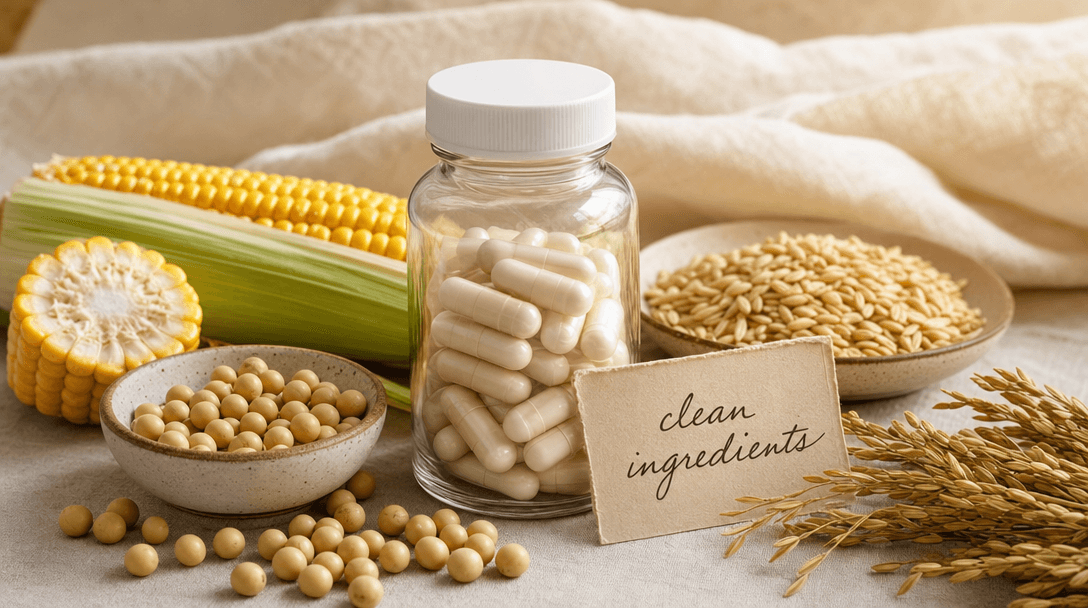
GMO stands for Genetically Modified Organism. In food terms, this most often refers to crops engineered to be resistant to pests, herbicides, or environmental stress — soy, corn, canola, sugar beet, and cotton being the most common examples globally. In supplements, the GMO question shows up in the carriers and starting materials, not usually the active ingredients themselves.
For example: vitamin C is the same molecule whether it's made from corn-derived starch (which may be GMO) or from a non-GMO source. The vitamin itself isn't genetically modified. But the upstream supply chain — the corn used, the fermentation media, the soy lecithin emulsifier in some softgels — is where the GMO question lives.
Why some buyers care
- Supply-chain transparency. Non-GMO certification typically requires more documentation, traceability, and audit trail. The label is a proxy for "we know where this came from".
- Glyphosate exposure. Many GMO crops are paired with glyphosate-tolerance traits, meaning they're sprayed with glyphosate. Trace residues end up in derived ingredients. Whether this is a meaningful health risk at supplement-level doses is genuinely debated, but many buyers prefer the lower-exposure path.
- Environmental concerns. Some buyers oppose monoculture GMO farming on biodiversity or pesticide-use grounds, regardless of personal health implications.
- Allergen and identity risk. Non-GMO certification adds another layer of identity verification, which reduces the risk of unintended cross-contamination.
What the EU regulatory backdrop says
The EU has stricter labelling rules than many regions: products containing GMO ingredients above 0.9% must be declared. Most UK supplement makers have followed this practice for years. "Non-GMO" labelling typically means a product is verified below this threshold, often via supplier declarations and third-party audits.
What "clean supplement" actually means
Beyond the GMO question, "clean" usually implies several things together:
- No unnecessary fillers — minimal magnesium stearate, no titanium dioxide, no artificial colours.
- No synthetic dyes — colours that exist purely for visual appeal.
- No proprietary blends — every ingredient and dose is on the label.
- No major allergens unless declared — soy, gluten, dairy clearly listed.
- Vegan-friendly capsule shells — HPMC (vegetable cellulose) rather than gelatine.
- Manufactured under GMP — Good Manufacturing Practice, with batch testing.
Each of these is a small thing on its own. Stacked together, they describe a product where the manufacturer has chosen the slower, more transparent path at every fork in the supply chain.
The fillers worth checking for
- Titanium dioxide (E171): banned as a food additive in the EU since August 2022. Some imported supplements still contain it. Avoid.
- Excessive magnesium stearate: small amounts are fine and useful as a flow agent during manufacturing. Excessive amounts (above ~1%) suggest a cheap process.
- Artificial colours (tartrazine, sunset yellow, allura red): the UK has phased out most of these voluntarily, but they show up in cheap imported products.
- Aspartame and other sweeteners in chewable or gummy formats: not necessary in capsules.
What we do at Vitadefence
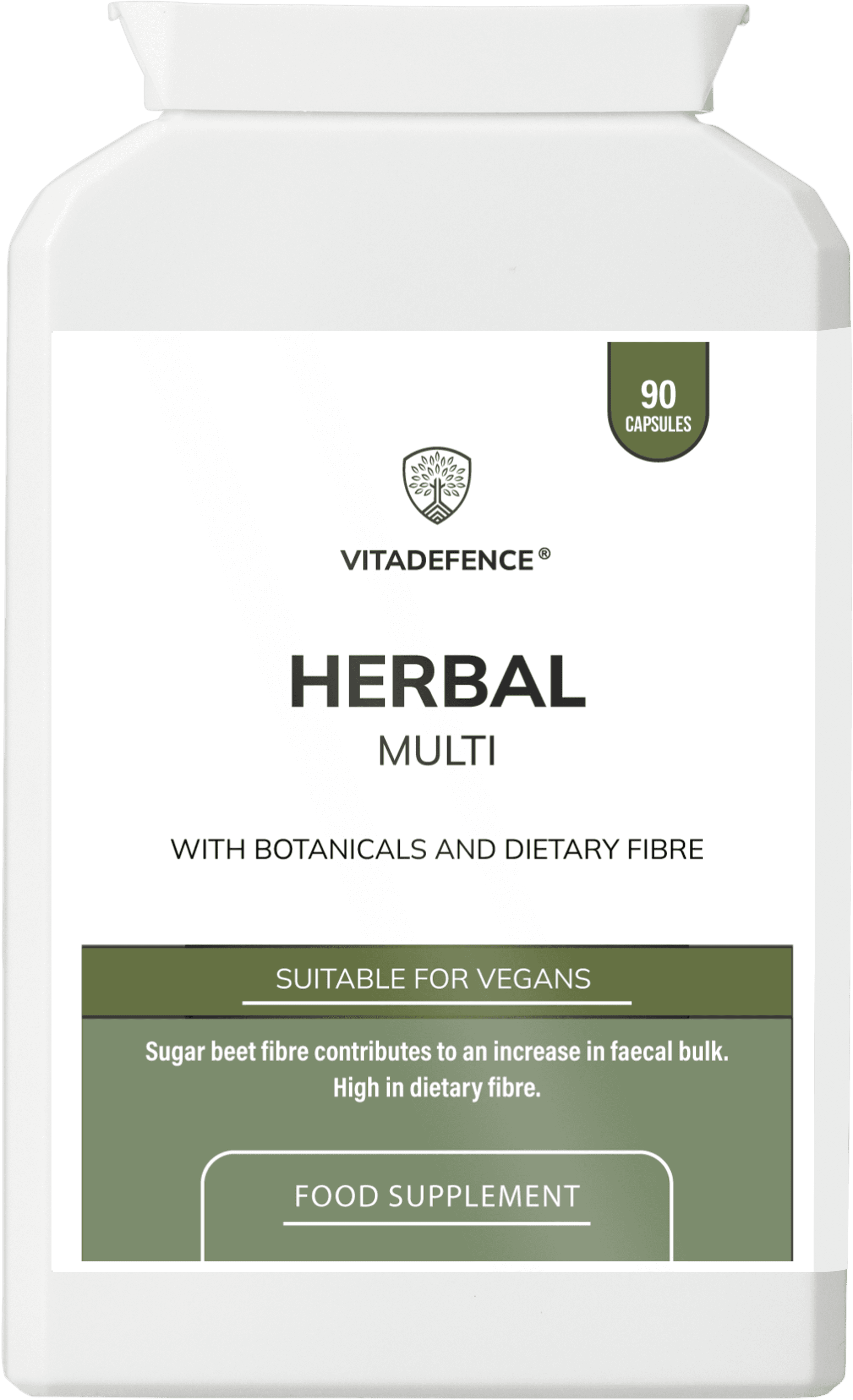
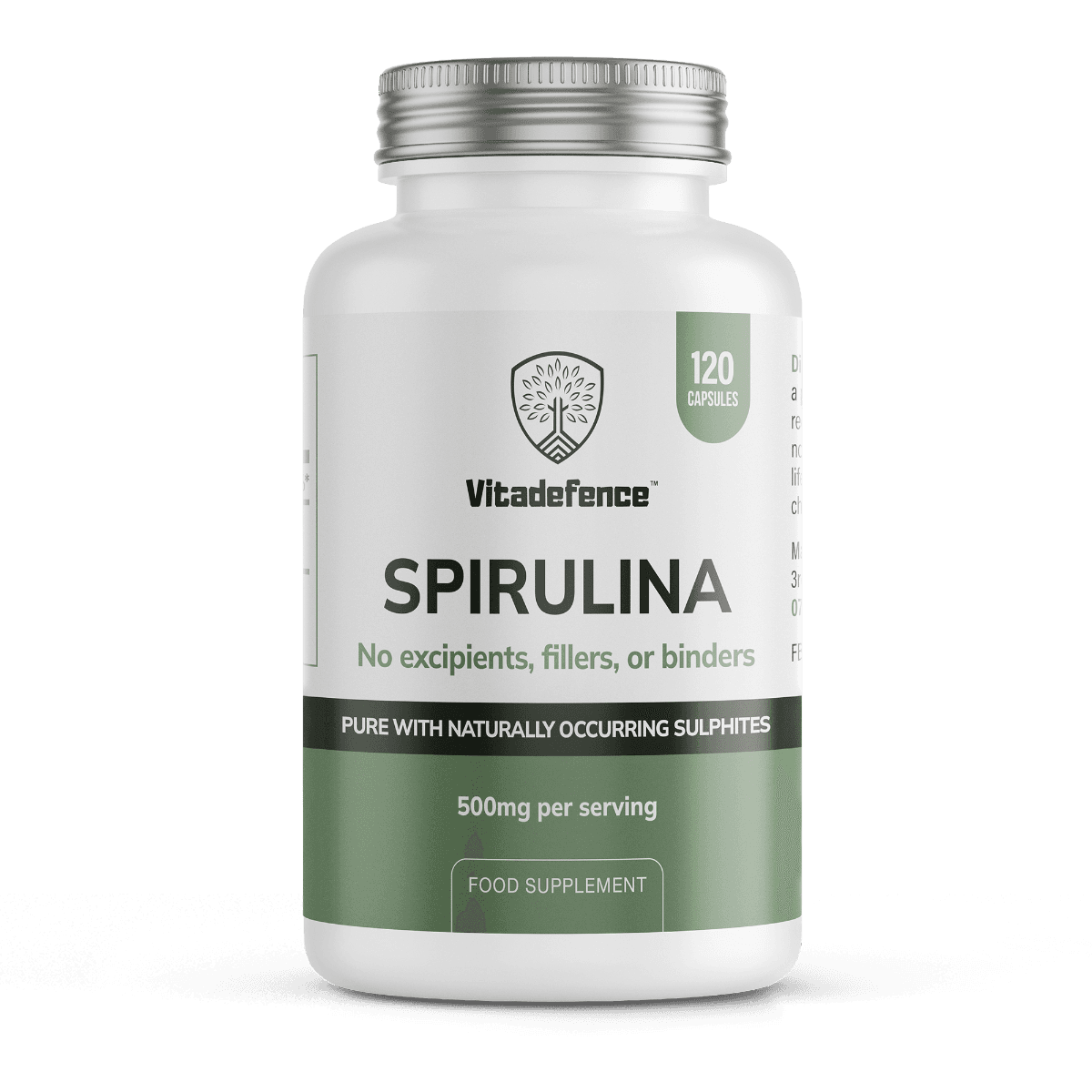
Our formulas are made in UK GMP-certified facilities with full traceability. Capsules are HPMC vegetable cellulose. We don't use titanium dioxide, artificial colours, or proprietary blends. Where applicable, ingredients are sourced from non-GMO supply chains. The Vitamins Multi, Herbal Multi, and our single-nutrient specialists like Spirulina all follow this standard.
How to check a label in 30 seconds
- Flip the bottle. Read the "other ingredients" line. Should be short.
- Look for titanium dioxide, artificial colours, proprietary blends. None should be present.
- Check the capsule type — HPMC for vegan, gelatine for non-vegan.
- Look for "GMP-manufactured" or equivalent quality mark.
- If there's a "non-GMO" label, look for whether it's specifically tied to verified ingredients rather than a marketing claim.
What "non-GMO" doesn't tell you
It doesn't tell you whether the active forms of nutrients are bioavailable (folic acid vs methylfolate). It doesn't tell you whether the dose is meaningful. It doesn't tell you whether the manufacturer is GMP-certified. It's one input, not the whole picture.
The takeaway
Non-GMO matters more for what it implies about the supply chain than for any direct nutritional impact on the molecule in your capsule. Combined with sensible fillers, transparent labelling, and active ingredient forms, it's a useful marker. On its own, it's just one of several things to check. The cleanest supplement is the one whose entire label tells you everything — no proprietary blends, no unnecessary additives, and yes, ideally, non-GMO-verified ingredients where it matters.
Recommended for You
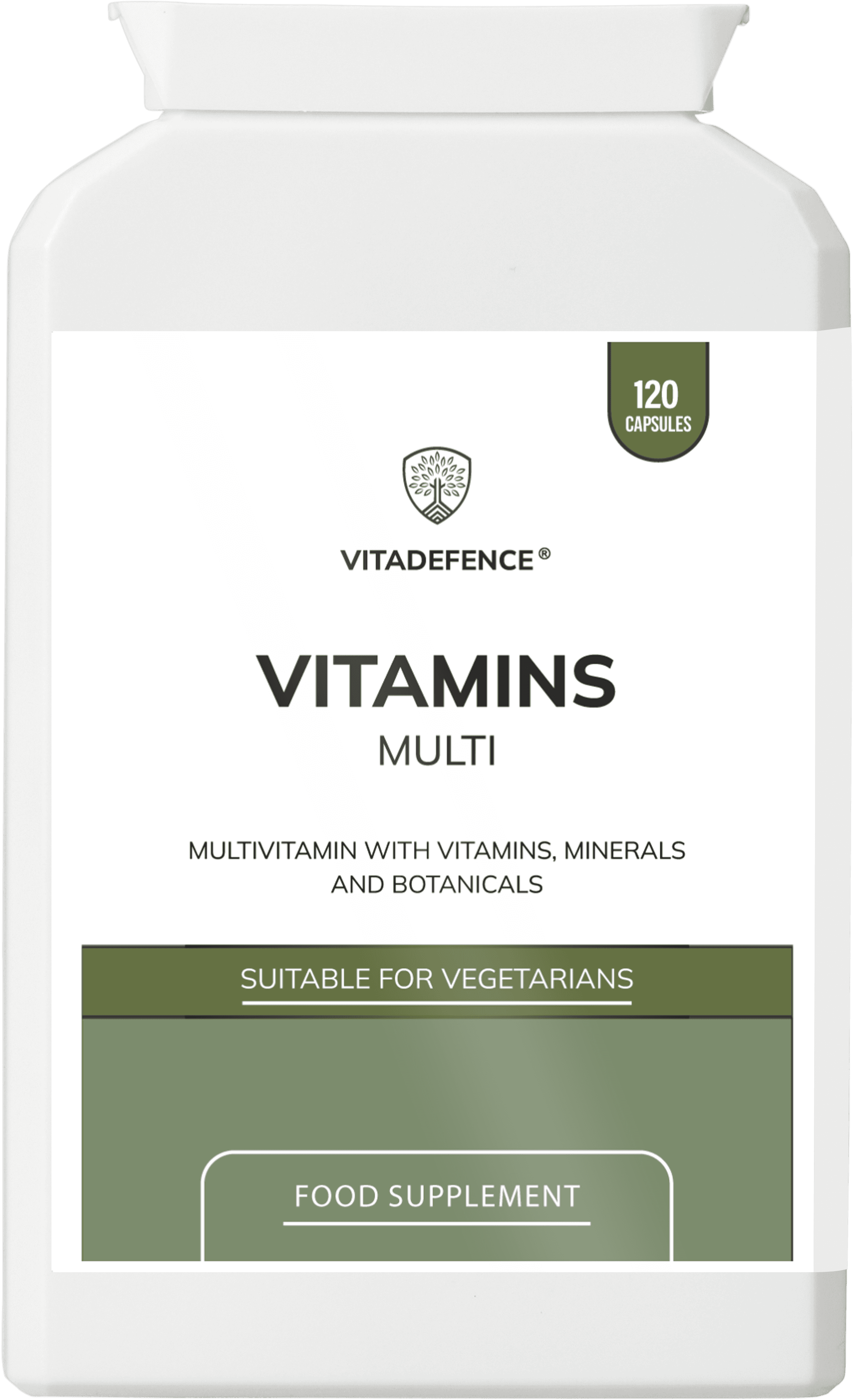
Vitamins Multi — clean formula, active forms, UK GMP.This article is for informational purposes only and does not constitute medical advice. Vitadefence supplements are food supplements, not medicines. They should not be used as a substitute for a varied diet and a healthy lifestyle. Consult a healthcare professional if you are pregnant, breastfeeding, on medication, or have a medical condition.
Related products
More from the journal
Spirulina: The Original Superfood — Protein, B12, and Phycocyanin Antioxidant Power
9 min · Ingredients
Siberian Ginseng Benefits: Why This Adaptogen Is Different From Panax Ginseng
7 min · Ingredients