Turmeric vs. Curcumin: What's the Difference and Which Should You Take?
Turmeric contains curcumin, but they're not the same thing. Discover the key differences, absorption challenges, and how to choose the right supplement for your goals.
By Vitadefence Team
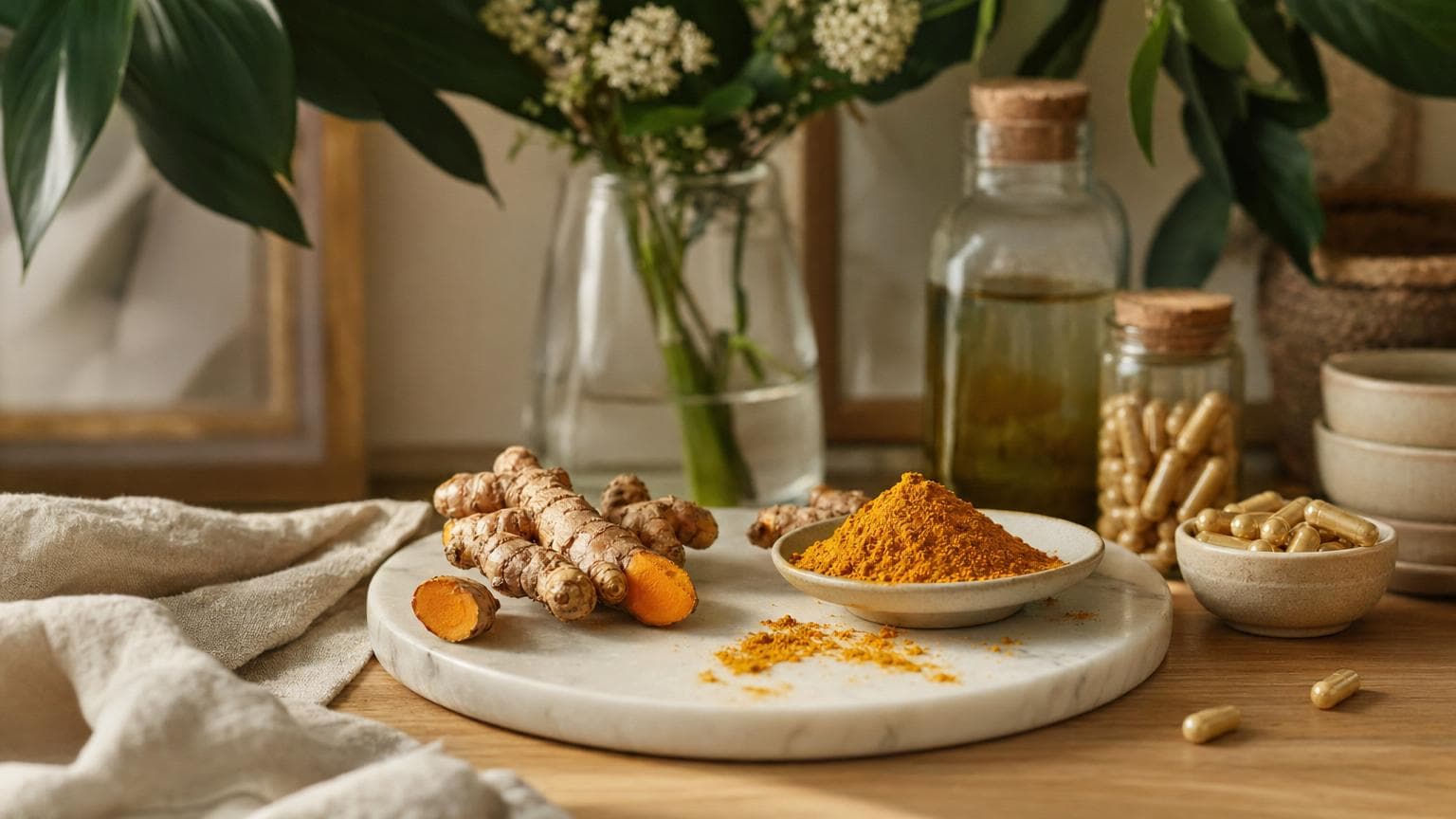
Turmeric has become one of the most popular natural supplements in recent years, but there's often confusion about the difference between turmeric and curcumin. Understanding this distinction can help you choose the right product for your needs.
What Is Turmeric?
Turmeric (Curcuma longa) is a bright yellow-orange spice that has been used in Indian cooking and Ayurvedic medicine for thousands of years. The whole root contains hundreds of compounds, but the most studied are the curcuminoids — with curcumin being the most abundant and active.
What Is Curcumin?
Curcumin is the primary bioactive compound in turmeric, responsible for most of its studied health benefits. However, curcumin makes up only about 3% of turmeric by weight. This means you would need to consume large amounts of turmeric powder to get a meaningful dose of curcumin.
Key Health Benefits
Research has shown curcumin to have powerful anti-inflammatory and antioxidant properties. It has been studied for joint health, cognitive function, digestive support, and cardiovascular wellness. The mechanism involves blocking NF-kB, a molecule that activates inflammatory genes in cells.
- Joint comfort: Multiple clinical trials have shown curcumin can reduce joint stiffness and support mobility, particularly in adults over 40.
- Digestive support: Turmeric stimulates bile production and may help maintain a healthy gut lining.
- Brain health: Curcumin crosses the blood-brain barrier and has been studied for its role in supporting memory and mood.
- Heart health: It may help maintain healthy cholesterol levels and support blood vessel function.
- Exercise recovery: Athletes increasingly use curcumin to support post-workout recovery and reduce muscle soreness.
The Absorption Problem
Pure curcumin has notoriously poor bioavailability — meaning your body struggles to absorb it. This is why quality supplements often include black pepper extract (piperine), which can increase curcumin absorption by up to 2,000%. Other approaches include combining curcumin with fats or using specialised formulations.
Which Should You Choose?
If you want the full spectrum of turmeric compounds, a whole turmeric supplement is a good choice. If you want targeted anti-inflammatory or antioxidant support, look for a standardised curcumin extract with added piperine. Many high-quality supplements combine both approaches — offering turmeric root with a standardised curcumin content and enhanced absorption.
For joint support, a combination formula that includes turmeric alongside complementary ingredients like vitamin C, MSM, or zinc can provide broader benefits than curcumin alone.
How to Choose a Quality Turmeric Supplement
Not all turmeric supplements are created equal. When shopping, look for these markers of quality:
- Standardised curcuminoid content: A good supplement will state the percentage of curcuminoids, typically 95%.
- Added piperine or black pepper extract: Essential for absorption. Without it, most curcumin passes straight through your system.
- Complementary nutrients: Ingredients like vitamin B6 and zinc work alongside turmeric to support immune function and reduce tiredness.
- GMP-certified and UK-made: Ensures consistent quality, accurate labelling, and adherence to EU supplement regulations.
- No unnecessary fillers: Check the ingredients list for bulking agents, artificial colours, or additives you don’t need.
Who Should Consider Turmeric?
Turmeric supplementation may be particularly beneficial for:
- Adults over 40 looking to support joint comfort and mobility
- Active individuals wanting to support post-exercise recovery
- Anyone seeking natural antioxidant support for daily wellness
- People interested in traditional Ayurvedic approaches to health
As with any supplement, consult your healthcare professional if you are pregnant, breastfeeding, taking blood-thinning medication, or have a pre-existing medical condition.
Daily Tips for Getting the Most from Turmeric
Take your turmeric supplement with a meal that contains healthy fats — this further improves absorption. Consistency matters more than dose: a moderate daily intake over weeks and months delivers better results than occasional high doses. Most studies showing benefits used supplementation periods of 4–12 weeks.
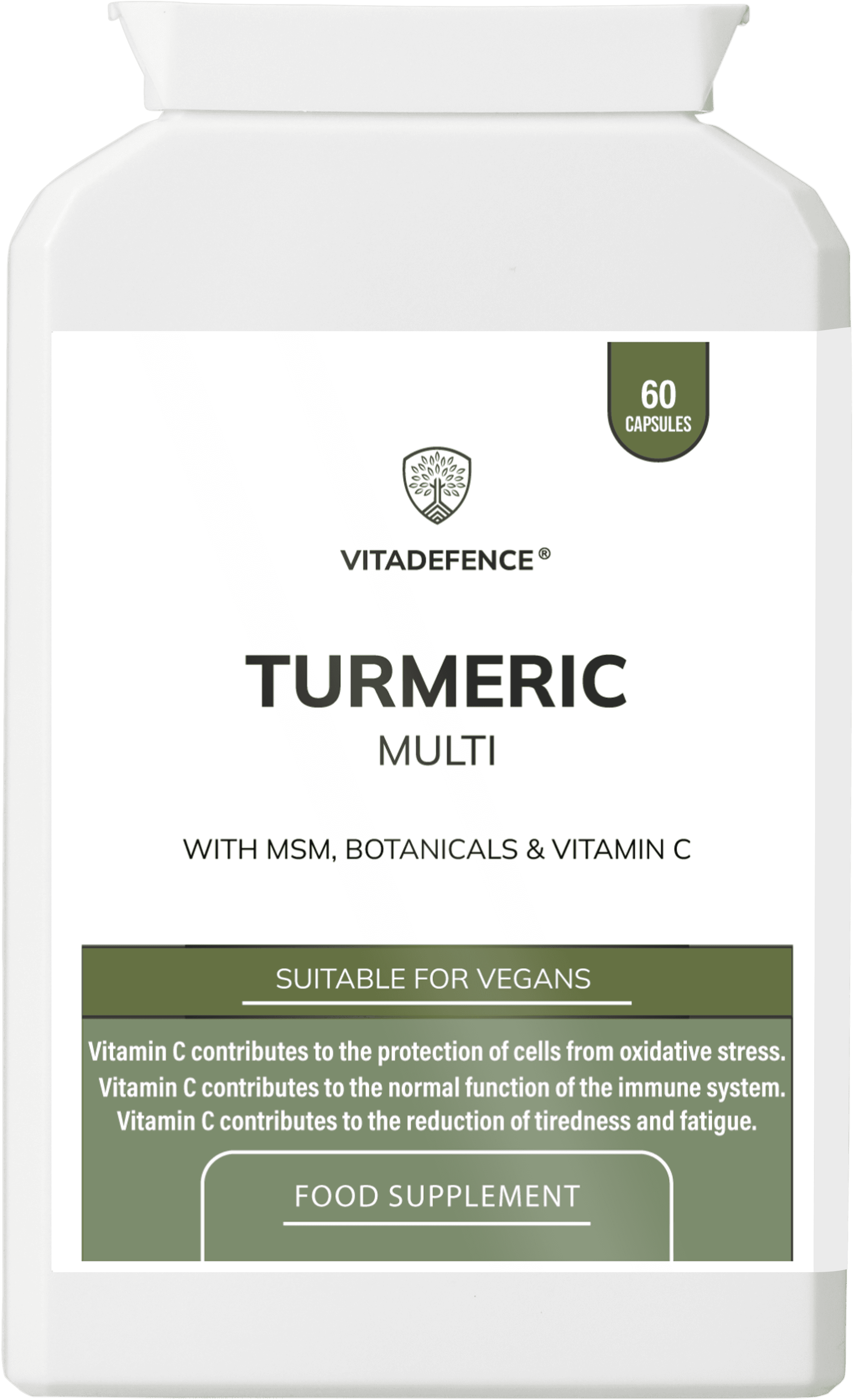
Our Turmeric Range

£17.50
Shop Now
£16.49
Shop NowThis article is for informational purposes only and does not constitute medical advice. Vitadefence supplements are food supplements, not medicines. They should not be used as a substitute for a varied diet and a healthy lifestyle. Consult a healthcare professional if you are pregnant, breastfeeding, on medication, or have a medical condition.
Related products
More from the journal
Spirulina: The Original Superfood — Protein, B12, and Phycocyanin Antioxidant Power
9 min · Ingredients
Siberian Ginseng Benefits: Why This Adaptogen Is Different From Panax Ginseng
7 min · Ingredients