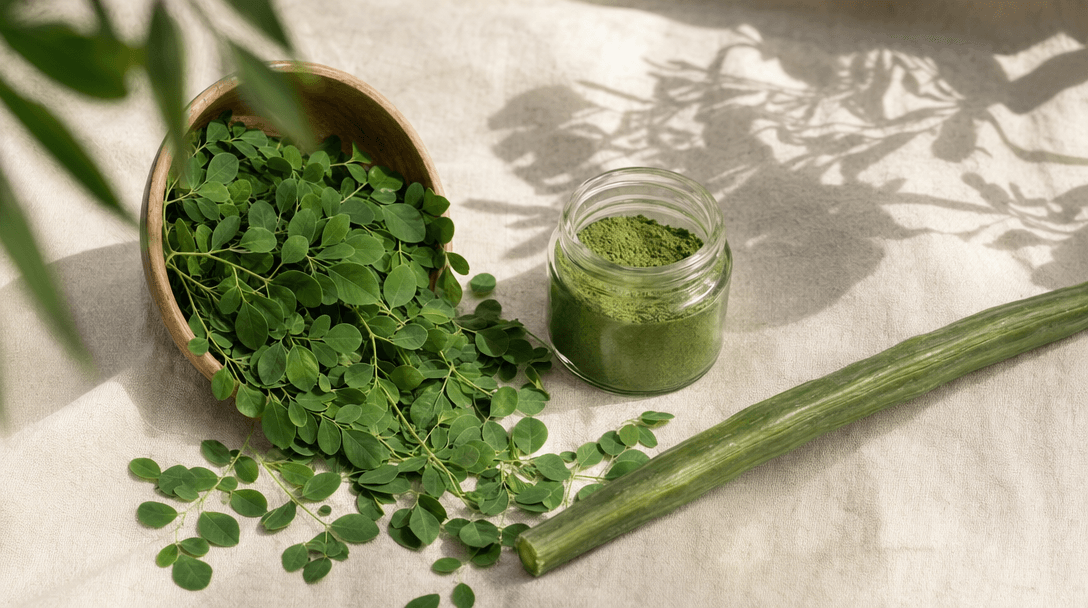
Additive-Free Vitamins Versus Multis Are You Paying For Additives
Additive-Free Vitamins Versus Multis Are You Paying For Additives? Discover hidden fillers, clean labels, and smarter picks for a healthier daily routine.
By Vitadefence Team

The Hidden Truth Behind Conventional Multivitamins
When you examine the label of most mainstream multivitamins, you'll discover a startling reality: the actual vitamins and minerals often comprise less than half the capsule's contents. The remainder consists of excipients, bulking agents, artificial colorants, and preservatives that serve manufacturing convenience rather than your health.
These superfluous compounds infiltrate your supplement regimen through various pathways. Manufacturers utilize magnesium stearate as a flow agent to prevent machinery jamming during production. Silicon dioxide acts as an anti-caking agent, while titanium dioxide provides that pristine white appearance consumers expect. Synthetic dyes create appealing colors that have absolutely no bearing on efficacy.
The pharmaceutical industry has normalized these practices, leading consumers to unknowingly ingest substances their bodies neither require nor benefit from. Many individuals seeking nutritional support inadvertently consume more additives than actual nutrients, undermining their wellness objectives.
Common Additives Found in Standard Supplements
The additive landscape in conventional supplements is more extensive than most consumers realize. Microcrystalline cellulose serves as a binding agent, essentially wood pulp processed for pharmaceutical applications. Carrageenan, derived from seaweed, can trigger inflammatory responses in sensitive individuals.
Artificial sweeteners like sucralose and aspartame frequently appear in chewable formulations. These compounds may disrupt gut microbiome balance, counteracting the very health benefits you're seeking. Propylene glycol, commonly found in antifreeze, appears in liquid supplements as a solvent.
Stearic acid, while naturally occurring, is often synthetically produced for supplement manufacturing. This creates a disconnect between natural nutrition and processed supplementation that health-conscious consumers increasingly reject.
Understanding Additive-Free Vitamins
Additive-free vitamins represent a paradigm shift toward nutritional purity and transparency. These formulations contain exclusively the stated nutrients without extraneous compounds that dilute potency or introduce unwanted substances into your system.
The manufacturing process for additive-free vitamins requires greater precision and often smaller batch production. This approach prioritizes ingredient integrity over mass production efficiency. Each capsule delivers exactly what the label promises—nothing more, nothing less.
The Vitadefence Approach to Clean Supplementation
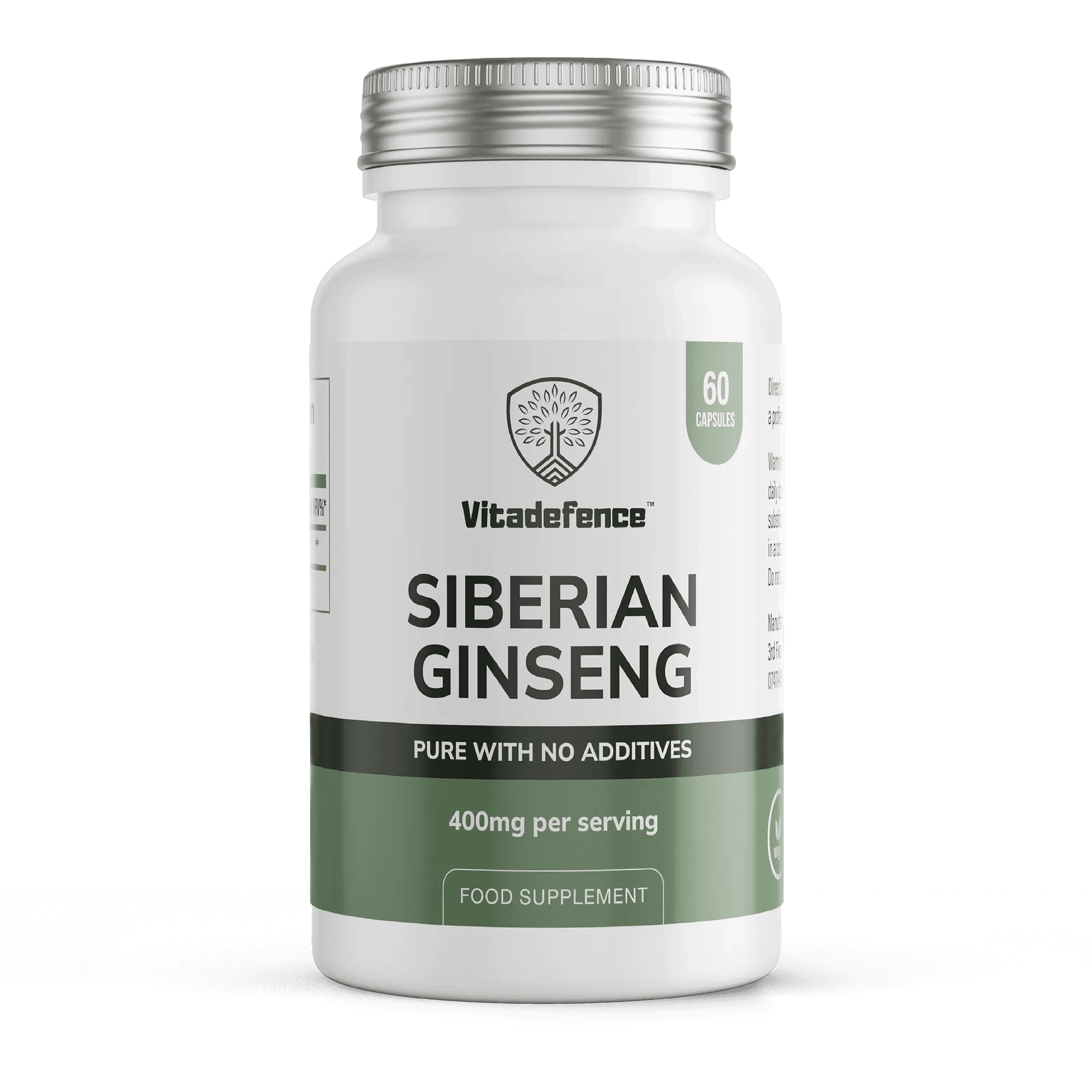
At Vitadefence, the commitment to additive-free formulations extends beyond mere ingredient selection. Our carefully curated collection demonstrates how supplements can maintain efficacy while respecting your body's natural processes. Take our Siberian Ginseng capsules, for instance—a perfect exemplar of clean supplementation philosophy.
This adaptogenic powerhouse contains pure Eleutherococcus senticosus root extract without unnecessary fillers or binding agents. The formulation addresses the modern challenge of maintaining energy and mental clarity while avoiding the additive burden that compromises many conventional supplements. By choosing such pure formulations, you're investing in targeted nutrition rather than paying premium prices for industrial processing aids.
The broader implications of choosing additive-free supplements extend to supporting ethical manufacturing practices and sustainable wellness approaches. When you select products free from superfluous compounds, you're advocating for transparency in the supplement industry.
Manufacturing Standards and Purity Protocols
Good Manufacturing Practice (GMP) standards govern supplement production, but these regulations don't mandate additive-free formulations. Progressive manufacturers voluntarily exceed baseline requirements by eliminating non-essential compounds from their products.
Third-party testing becomes crucial in verifying additive-free claims. Independent laboratories analyze finished products to confirm the absence of unlisted ingredients, ensuring consumers receive exactly what they're paying for. This verification process adds cost but provides invaluable peace of mind.
Exploring Our Complete Additive-Free Collection
The journey toward optimal wellness requires access to comprehensive nutritional support without compromising on purity. Our additive-free collection encompasses everything from single-nutrient formulations to carefully crafted combinations, each designed with the discerning consumer in mind.
This curated selection addresses the growing demand for supplements that respect both your health goals and ethical values. Every product undergoes rigorous evaluation to ensure it meets our stringent additive-free criteria while delivering measurable health benefits. Whether you're seeking immune support, energy enhancement, or targeted nutritional gaps, this collection provides solutions without unwanted extras.
The collection represents a philosophical commitment to ingredient transparency and manufacturing integrity. By choosing from these offerings, you're joining a community of health-conscious individuals who refuse to compromise on supplement quality.
The True Cost Analysis: Premium Pricing Decoded
Understanding supplement pricing requires examining what you're actually purchasing. Conventional multivitamins may appear economical, but cost-per-nutrient analysis reveals a different picture entirely.
When additives comprise 30-50% of a capsule's contents, you're essentially paying supplement prices for industrial fillers. These compounds cost pennies to produce but occupy valuable space that could contain active nutrients. The mathematics become particularly stark when calculating actual nutrient density per serving.
"The apparent savings of conventional multivitamins evaporate when you calculate the cost per milligram of actual nutrients rather than total capsule weight."
Hidden Costs Beyond Purchase Price
The economic implications extend beyond initial purchase decisions. Your digestive system expends energy processing unnecessary additives, potentially reducing absorption efficiency of desired nutrients. This metabolic burden represents an opportunity cost that never appears on supplement labels.
Long-term considerations include potential sensitivities or intolerances developing from repeated exposure to synthetic additives. These health impacts carry economic consequences through healthcare costs and reduced quality of life that pure formulations help avoid.
Health Implications of Additive Consumption
Chronic exposure to supplement additives creates a cumulative burden your body wasn't designed to process. While individual additives may be "generally recognized as safe," the synergistic effects of multiple compounds consumed daily over years remain largely unstudied.
Digestive sensitivity represents the most immediate concern for many individuals. Artificial colors, particularly tartrazine and sunset yellow, can trigger inflammatory responses in susceptible persons. These reactions may manifest as digestive discomfort, skin irritation, or cognitive cloudiness.
Bioavailability and Absorption Concerns
Certain additives actively interfere with nutrient absorption, creating an ironic situation where your supplement actually reduces its own effectiveness. Calcium stearate, for example, can form insoluble complexes with minerals, rendering them unavailable for absorption.
The phenomenon of excipient-nutrient interactions highlights why additive-free formulations often demonstrate superior bioavailability despite containing identical active compounds. Your investment in supplements should enhance nutrient status, not create additional metabolic challenges.
Additive Type Common Examples Potential Impact Flow Agents Magnesium Stearate May reduce absorption rate Artificial Colors FD&C Yellow #6 Potential allergic reactions Preservatives Sodium Benzoate Gut microbiome disruption Bulking Agents Microcrystalline Cellulose Digestive irritation in sensitive individualsMaking Informed Supplement Choices
Transitioning to additive-free vitamins requires developing label-reading expertise and understanding marketing terminology. The supplement industry employs various phrases that may obscure the presence of additives, making consumer education essential.
Terms like "natural" don't guarantee additive-free formulations, as naturally-derived compounds can still serve as unnecessary excipients. "Other ingredients" sections on labels reveal the complete story about what you're consuming beyond active nutrients.
Questions to Ask Your Supplement Provider
Engaging with knowledgeable retailers helps ensure you're making informed decisions about your health investments. Here are crucial inquiries to make:
- What specific excipients, if any, are used in the manufacturing process?
- How does the company verify the absence of unlisted additives?
- What third-party testing confirms product purity claims?
- Are there any potential allergens or sensitivity-triggering compounds present?
- How does the manufacturing facility prevent cross-contamination with additives?
These questions demonstrate your commitment to supplement quality and encourage retailers to maintain high standards. Knowledgeable providers welcome such inquiries as opportunities to showcase their products' superiority.
The Future of Clean Supplementation
Consumer demand for transparency is reshaping the supplement landscape, driving innovation in additive-free manufacturing techniques. Advanced encapsulation technologies now enable pure formulations that were technically challenging just a few years ago.
This evolution benefits health-conscious consumers who refuse to compromise between convenience and purity. As manufacturing techniques improve, additive-free supplements are becoming more accessible while maintaining the quality standards that discerning consumers demand.
The trend toward clean supplementation reflects broader consumer awareness about ingredient quality and manufacturing practices. This consciousness extends beyond supplements to encompass all aspects of health and wellness, creating a more informed and demanding marketplace.
Your choice to prioritize additive-free vitamins contributes to this positive industry transformation, supporting manufacturers who invest in purity over profit margins. This collective consumer action drives continued innovation in clean supplement manufacturing.
This article is for informational purposes only and does not constitute medical advice. Vitadefence supplements are food supplements, not medicines. They should not be used as a substitute for a varied diet and a healthy lifestyle. Consult a healthcare professional if you are pregnant, breastfeeding, on medication, or have a medical condition.
Related products
More from the journal
Spirulina: The Original Superfood — Protein, B12, and Phycocyanin Antioxidant Power
9 min · Ingredients
Siberian Ginseng Benefits: Why This Adaptogen Is Different From Panax Ginseng
7 min · Ingredients