
Magnesium for Sleep: Why This Mineral is the Missing Link
Trouble winding down at night? Magnesium plays a crucial role in regulating the nervous system, muscle relaxation, and sleep quality. Here is what the research shows.
By Vitadefence Team

Sleep is one of those things we tend to take for granted until it starts to slip. And when it does, the hunt for answers often leads down a rabbit hole of gadgets, apps, and expensive pillow sprays. But sometimes, the missing link is far more fundamental. Magnesium, a mineral involved in hundreds of biochemical reactions in the body, plays a quiet but critical role in how well we sleep. If you have been struggling to fall asleep or stay asleep, a simple magnesium shortfall could be part of the picture.
How Magnesium Supports the Nervous System
Magnesium is often described as nature’s original relaxant, and for good reason. This mineral helps regulate the nervous system by binding to GABA receptors, the same receptors targeted by many prescription sleep aids. GABA is a neurotransmitter that calms nerve activity, and magnesium helps maintain healthy GABA function. In practical terms, adequate magnesium levels are associated with a more balanced stress response and a smoother transition into rest. When magnesium is low, the nervous system can remain in a state of low-grade alert, making it harder to wind down at the end of the day.
Magnesium and Natural Sleep Architecture
Sleep is not a single, flat state. It cycles through different stages — light sleep, deep sleep, and REM sleep — each with its own purpose. Magnesium contributes to the maintenance of normal sleep architecture, meaning it helps support the natural rhythm and depth of these cycles. Research suggests that magnesium may help regulate the body’s internal clock and support the production of melatonin, the hormone that signals it is time to rest. By supporting both the nervous system and the circadian rhythm, magnesium helps create the conditions for restorative, uninterrupted sleep.
Glycinate vs Citrate vs Oxide: Which Form Works Best?
Not all magnesium supplements are created equal, and the form you choose matters. Magnesium glycinate is widely regarded as the best option for sleep. It is bound to the amino acid glycine, which itself has calming properties, and it is gentle on the stomach. Magnesium citrate is more commonly used for its mild laxative effect, so it is less ideal for evening use unless you are specifically looking for digestive support. Magnesium oxide is the cheapest form, but it is poorly absorbed by the body, meaning you get less of the active mineral per dose. For sleep, glycinate is the clear frontrunner.
Ideal Evening Dose and How to Take It
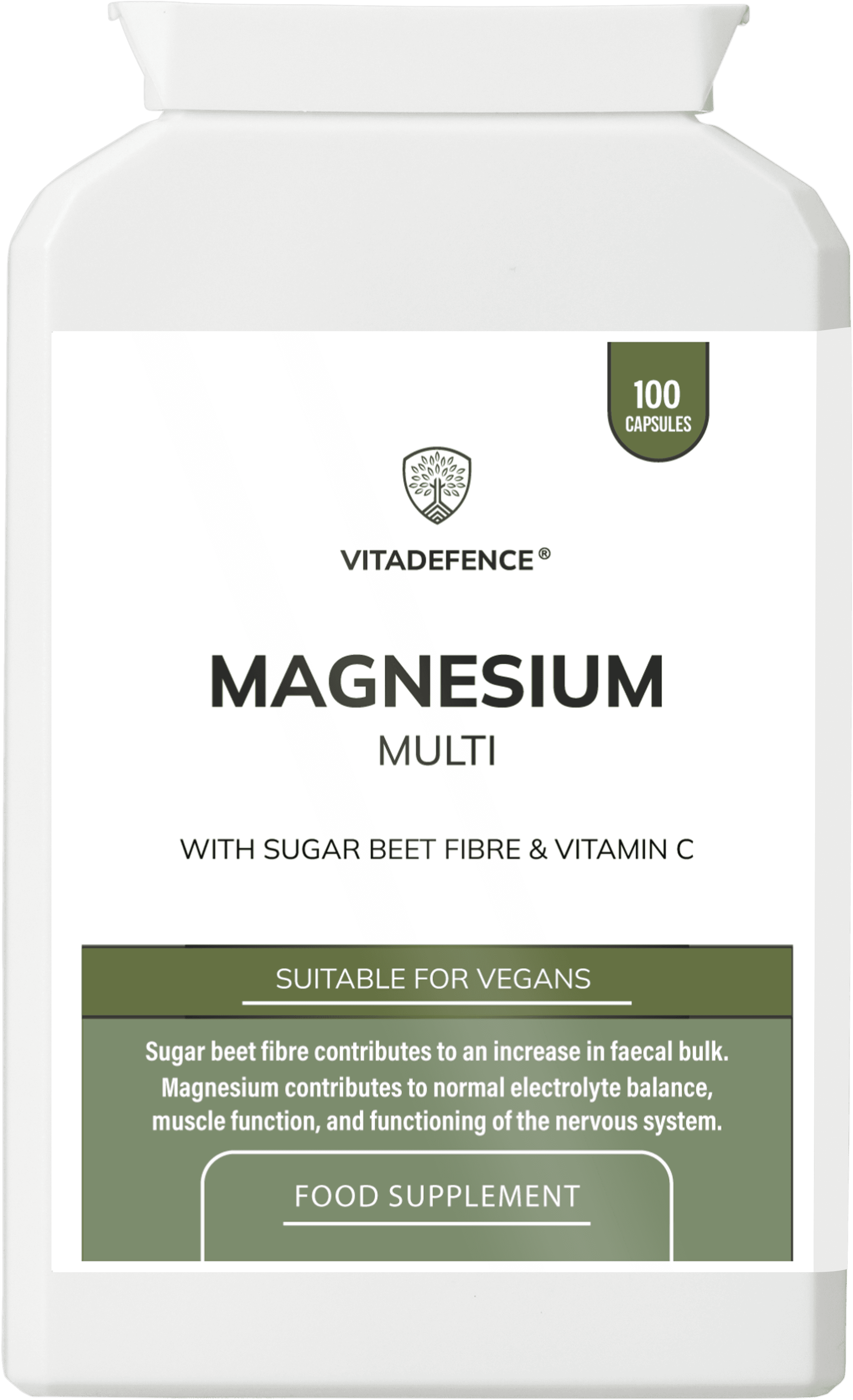
For sleep support, a dose between 100 mg and 300 mg of elemental magnesium taken 30 to 60 minutes before bed is a common starting point. It is best to begin at the lower end and adjust gradually, as individual tolerance varies. Taking magnesium with a small snack, such as a handful of almonds or a banana, can aid absorption. It is also worth noting that magnesium works best as part of a consistent routine, not as a one-off fix. A product like Vitadefence Magnesium Multi naturally provides a well-absorbed form of magnesium alongside complementary nutrients, making it a practical choice for those who want a straightforward, science-led approach.
Why Magnesium Deficiency Is So Common Today
Despite being essential, magnesium deficiency is surprisingly common in modern diets. The main culprit is soil depletion: intensive farming has reduced the mineral content of fruits, vegetables, and grains over the past several decades. Processed foods, which make up a large portion of the average diet, are also low in magnesium. Additionally, stress, alcohol consumption, and certain medications can increase the body’s demand for magnesium, making it even harder to maintain adequate levels. The result is that many people are running on a magnesium deficit without realising it, and poor sleep is often one of the first signs.
Magnesium-Rich Foods to Include in Your Diet
While supplements can help fill the gap, food sources remain the foundation. Leafy green vegetables like spinach and Swiss chard are excellent sources, as are nuts and seeds — particularly almonds, cashews, pumpkin seeds, and flaxseeds. Legumes such as black beans and chickpeas, whole grains like quinoa and brown rice, and fatty fish like salmon and mackerel also contribute. Avocados and dark chocolate (with a high cocoa content) are bonus sources that are easy to add to a daily routine. Incorporating a variety of these foods can help support magnesium levels naturally, though for many people, a targeted supplement remains a practical addition.
As with any supplement, it is wise to speak with a healthcare professional before starting, especially if you are pregnant, on blood-thinning medication, or managing a chronic condition. Magnesium is a powerful mineral, but it works best when used thoughtfully as part of a broader approach to sleep hygiene and overall wellness.
Recommended for You

Magnesium Multi — 100 Vegan Capsules
£21.49
Shop NowThis article is for informational purposes only and does not constitute medical advice. Vitadefence supplements are food supplements, not medicines. Consult a healthcare professional if you are pregnant, breastfeeding, on medication, or have a medical condition.
Related products
More from the journal
Spirulina: The Original Superfood — Protein, B12, and Phycocyanin Antioxidant Power
9 min · Ingredients
Siberian Ginseng Benefits: Why This Adaptogen Is Different From Panax Ginseng
7 min · Ingredients