Plant-Based Wellness Trends Shaping Health in 2025
Plant-based wellness has matured. Here's what's actually changing in 2025 — adaptogens, gut-skin axis, liposomal absorption, and the rise of botanically-paired multis.
By Vitadefence Team
Wellness trends usually fall into two camps: the genuinely useful and the loud. 2025's plant-based shifts are more substantive than most years — partly because the science has caught up with traditional knowledge, partly because consumers got tired of products that overpromised. Here's what's actually changing, in plain language.
1. Adaptogens move from "trendy" to "kitchen cupboard"
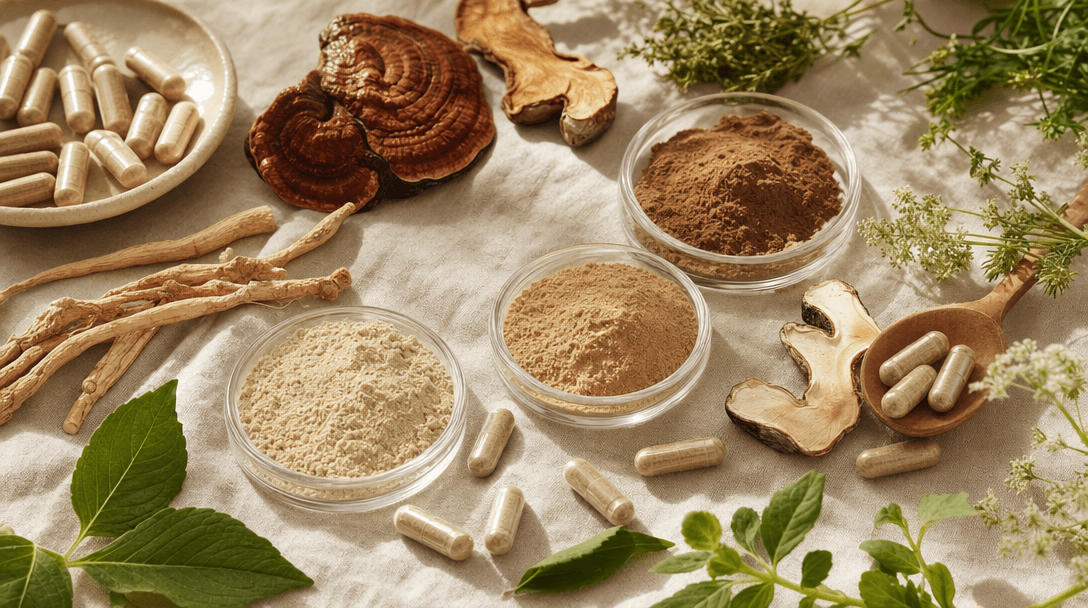
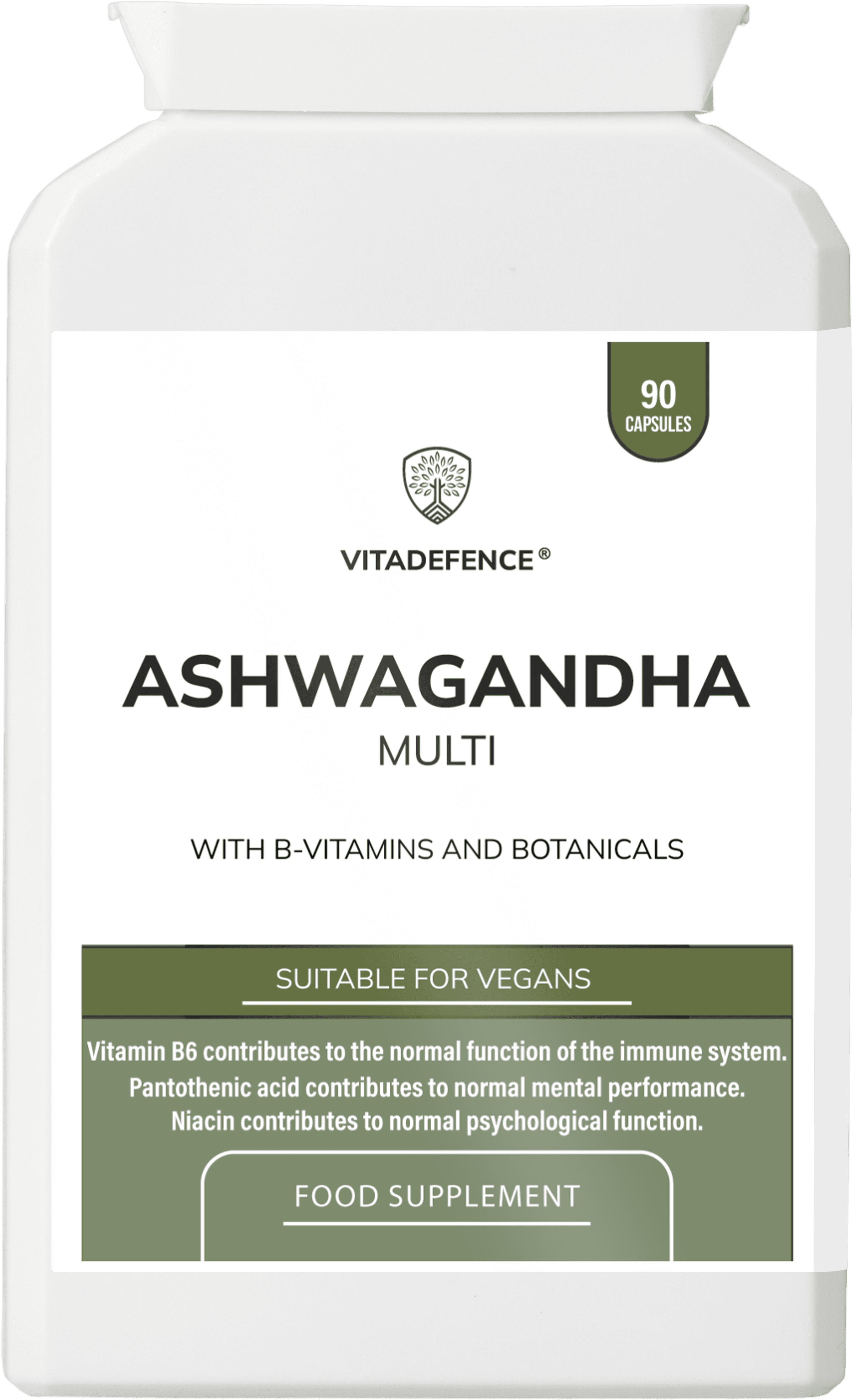
Five years ago, ashwagandha was a Reddit term. Today it's in supermarket coffee blends. Eleuthero (Siberian Ginseng), rhodiola, and tulsi (holy basil) are following the same path. The shift is from one-off "miracle herb" hype to ingredients people use the way their grandparents used herbal teas — small, daily, unglamorous. Our Herbal Multi sits squarely in this category: adaptogens alongside basics, taken every morning without ceremony.
2. The gut–skin axis becomes mainstream
Dermatologists used to roll their eyes at "gut health for skin". The 2024 review by Sinha et al. in the British Journal of Dermatology changed the conversation by surveying the trial-level evidence linking dysbiosis to inflammatory skin conditions. The mechanism — short-chain fatty acids from fibre fermentation modulating systemic inflammation — is now textbook. Practical consequence: people are pairing collagen and skin-targeted nutrients with live cultures, not just topicals.
3. Liposomal delivery (with healthy scepticism)
Liposomal vitamin C and liposomal D3+K2 saw a surge in 2024–25. The premise is real — wrapping a nutrient in a phospholipid shell can improve absorption and reduce digestive upset. The caveat is that not all "liposomal" products are genuine; some are emulsions in marketing clothing. Look for products that disclose particle size and lipid source. The category is genuine, the marketing is mixed.
4. Botanically-paired multivitamins replace stripped formulas
The first generation of multivitamins was a list of isolates. The second generation added one or two herbs. The 2025 norm is a multivitamin that genuinely integrates botanicals — green tea, turmeric, beetroot, grape seed — at doses where they contribute, not just decorate the label.
5. Adaptogenic mushrooms: still rising
Lion's Mane, Reishi, Cordyceps, and Chaga moved from speciality to high-street availability. The strongest evidence sits with Lion's Mane (cognitive support — Mori et al., 2009, randomised trial in mild cognitive impairment) and Cordyceps (exercise tolerance — small studies in older adults). Reishi has the longest traditional use; the modern trial base is still developing.
6. "Stack honesty" replaces "supplement maximalism"
The instagram era of 12-bottle morning routines is fading. Buyers now ask "what's the smallest stack that does the job?" — a healthier question. Quality over quantity, active forms over cheap forms, food-first over capsule-first. This is the trend most likely to last because it costs less and works better.
7. Sleep-focused stacks beyond melatonin
Magnesium glycinate, glycine, and tart cherry are all having a moment for evening routines. Each has reasonable evidence (magnesium for sleep latency: Abbasi et al., 2012; tart cherry for sleep duration: Howatson et al., 2012). The shift is from "knock-out" products to gentler nutrient support that nudges biology rather than overriding it.
8. Personalised nutrition gets more cautious
DNA-based supplement recommendations boomed in 2022–23 and faced reasonable scientific pushback. The 2025 take is more nuanced: blood markers (vitamin D, ferritin, B12) and lifestyle data are more useful than genotype for most adults. Quality clinics now treat genotype as one input among several, not the headline.
9. Functional fibre — beyond the obvious
Psyllium, glucomannan, and resistant starch are returning to the mainstream as gut microbiome research expands. Adequate fibre intake (UK guideline: 30g daily) remains one of the most under-met markers in the British diet. Live cultures help, but they can only do so much without the substrate that fibre provides.
10. Ingredient transparency pressure increases
Buyers ask three questions now that they didn't five years ago: where is it made, what's actually in it, and can you trace the batch? UK GMP-certified manufacturers with full ingredient disclosure are the new minimum. Proprietary blends and unspecified extracts are losing trust quickly.
What the trends share
If there's a thread running through all of this, it's a turn toward foundations. Less chasing of single "hero" ingredients. More attention to consistency, quality of form, and the unsexy basics — fibre, sleep, sun, protein, movement. Plant-based wellness is finally settling into the boring-but-effective phase, and that's good news for buyers.
What to take from this for your own routine
- Audit your stack — keep what earns its place.
- Add an adaptogen if you haven't, and stick with it for 8 weeks before judging.
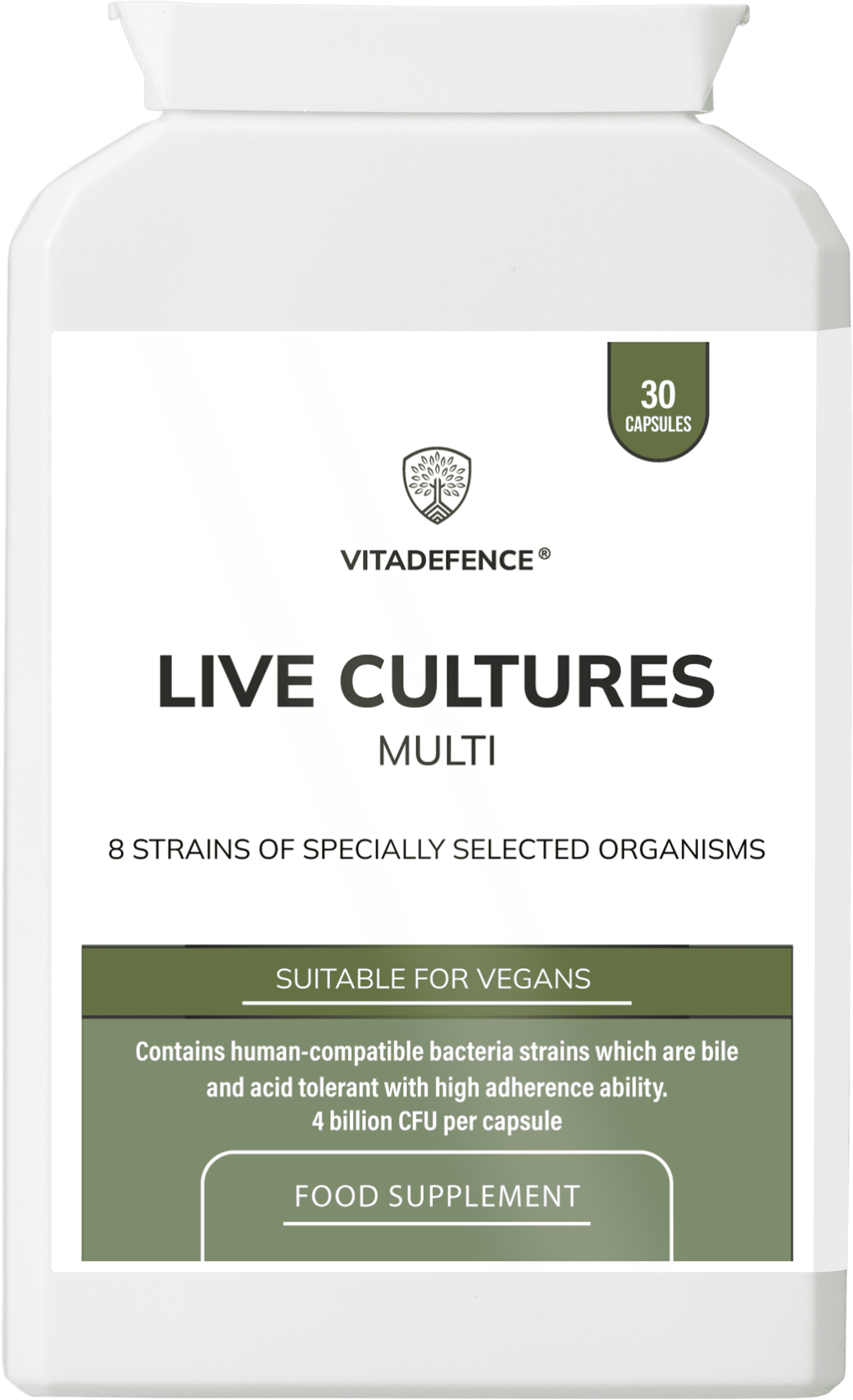
- Live cultures — try a quality formula (named strains, declared CFU) for skin and digestive support.
- Move to active forms if your multi still uses cheap ones (folic acid, cyanocobalamin, magnesium oxide).
The takeaway
2025's plant-based wellness story is a maturity story. Less hype, more biology. Less chasing, more building. The trends worth keeping are the ones that look boring in five years — adaptogens taken daily, sensible doses, transparent labels, and a kitchen full of vegetables. Everything else is fashion.
Recommended for You
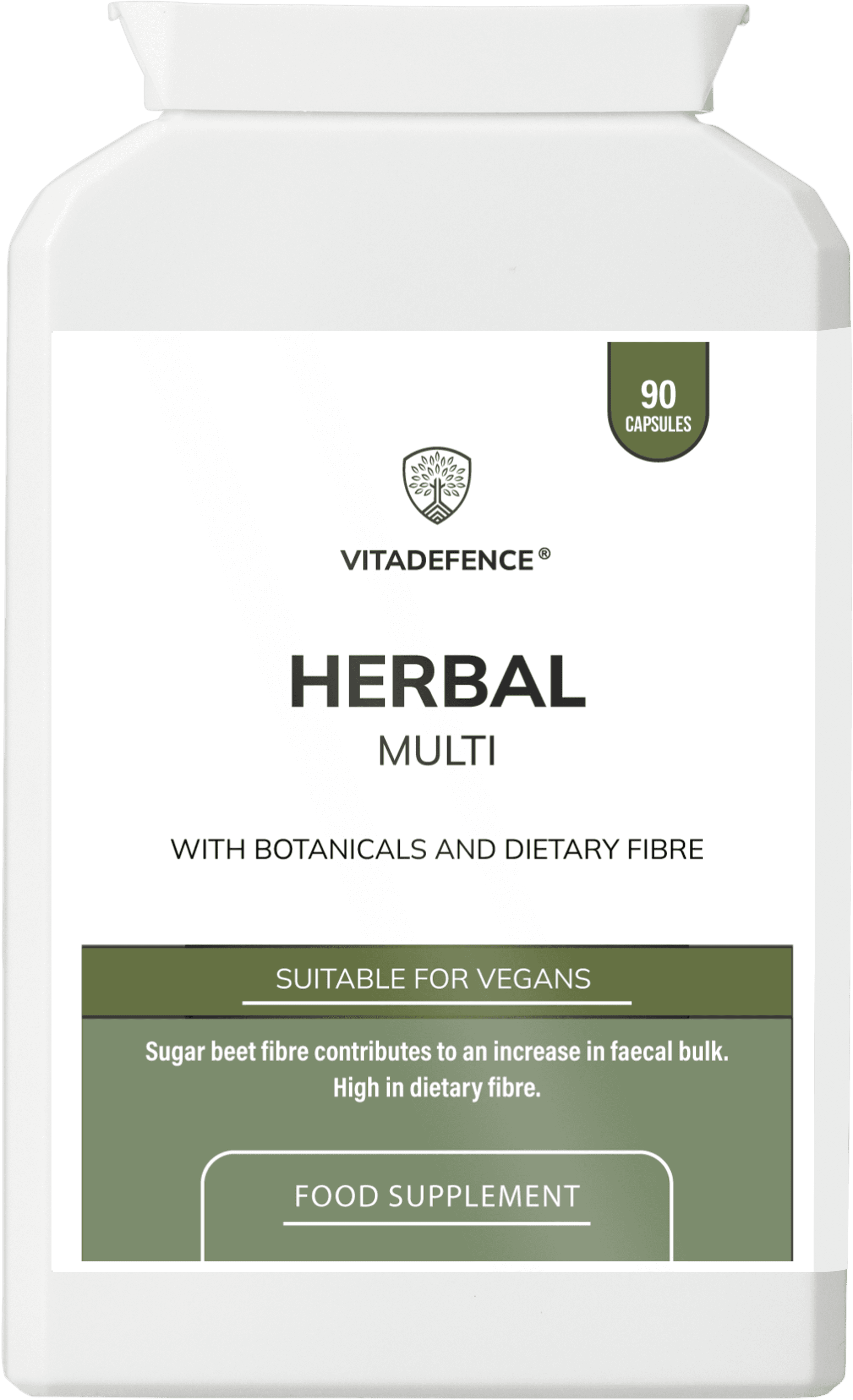
Herbal Multi — daily adaptogens and antioxidants alongside the basics.This article is for informational purposes only and does not constitute medical advice. Vitadefence supplements are food supplements, not medicines. They should not be used as a substitute for a varied diet and a healthy lifestyle. Consult a healthcare professional if you are pregnant, breastfeeding, on medication, or have a medical condition.
Related products
More from the journal
Spirulina: The Original Superfood — Protein, B12, and Phycocyanin Antioxidant Power
9 min · Ingredients
Siberian Ginseng Benefits: Why This Adaptogen Is Different From Panax Ginseng
7 min · Ingredients