Selenium: Why UK Soils Are Deficient & How to Top Up
UK soils now contain half the selenium they did 30 years ago. Learn why this matters for your health and how to ensure you get enough.
By Vitadefence Team
Selenium is a trace mineral that plays a crucial role in thyroid function, antioxidant defence, and immune health. Yet, most UK soils are now deficient in selenium, meaning the food grown in them contains less of this essential nutrient than ever before. This article explains the science behind the decline, why it matters for your health, and how you can maintain adequate selenium levels through diet and supplements.
Why UK Soils Are Losing Selenium
Research shows that selenium concentrations in UK soils have fallen by up to 50% over the past few decades. The primary reason is a shift in agricultural practices. Historically, wheat and other crops were imported from North America, where soils are naturally richer in selenium. Today, most UK grain is homegrown, and British soils are naturally low in selenium. Additionally, modern farming methods, such as the use of sulfur-based fertilisers, can reduce selenium uptake by plants. Acid rain and intensive cropping have further depleted soil selenium levels. A 2018 study published in the British Journal of Nutrition found that selenium intake in the UK has declined from around 60 µg per day in the 1970s to just 30–40 µg per day today – well below the recommended intake of 75 µg for men and 60 µg for women.
Why Selenium Matters for Your Health
Selenium is a component of selenoproteins, which are essential for several biological processes. The most well-known is glutathione peroxidase, an enzyme that protects cells from oxidative damage. Selenium also supports the conversion of thyroid hormone T4 to its active form T3, making it critical for metabolism. A deficiency has been linked to impaired immune function, cognitive decline, and increased risk of certain cancers. A 2017 meta-analysis in Nutrients concluded that selenium supplementation may reduce the risk of thyroid disease in deficient populations. However, it's important to note that both deficiency and excess can be harmful, so balance is key.
How to Top Up Your Selenium Levels
Dietary Sources
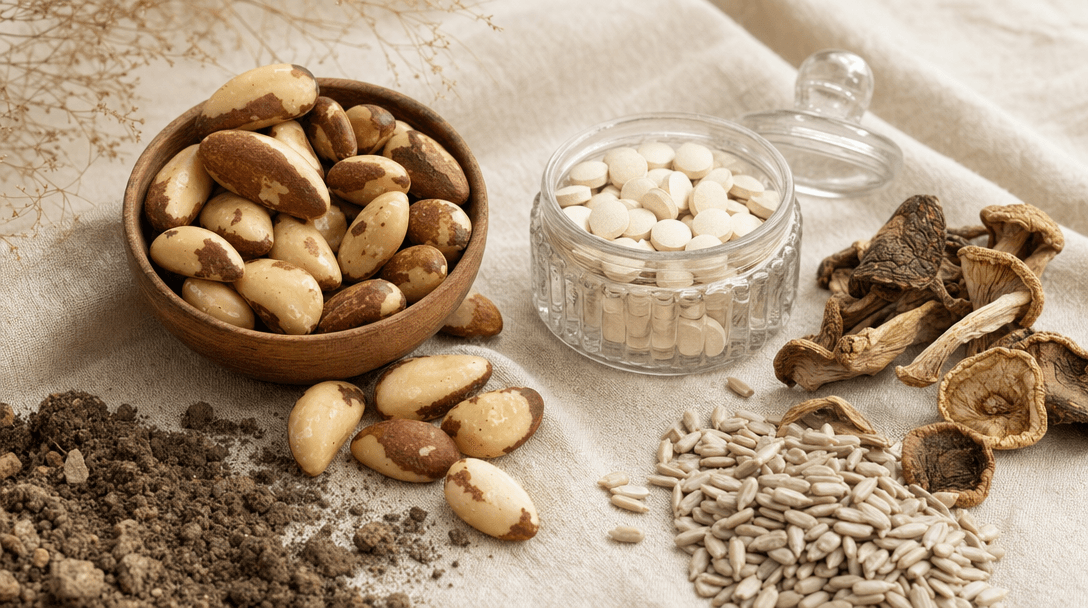
Brazil nuts are the richest food source – just one nut can provide over 100 µg of selenium. However, eating too many can lead to toxicity, so stick to one or two per day. Other good sources include fish (tuna, sardines, mackerel), eggs, sunflower seeds, and whole grains. But because UK soils are low in selenium, plant-based foods grown locally may contain less than their counterparts from other regions. For example, a 2015 study in Food Chemistry found that selenium levels in UK wheat were significantly lower than in Canadian or US wheat.
Supplementation
If you follow a plant-based diet or avoid Brazil nuts and fish, a supplement can help bridge the gap. Look for selenium in the form of selenomethionine, which has higher bioavailability than inorganic forms like sodium selenite. The recommended daily allowance (RDA) for adults is 55 µg per day in the US, but the UK government suggests 75 µg for men and 60 µg for women. Most supplements provide 50–200 µg per dose. Avoid exceeding 400 µg per day to prevent selenosis, a condition characterised by brittle nails, hair loss, and digestive issues. A 2020 review in Antioxidants noted that supplementation is safe and effective for correcting deficiency, but only when needed.
Who Is Most at Risk of Deficiency?
Vegans and vegetarians may be at higher risk because plant foods are generally lower in selenium than animal products, especially if grown in low-selenium soil. People with gastrointestinal disorders like Crohn’s disease or ulcerative colitis may also have reduced absorption. Additionally, those living in regions with low soil selenium – including the UK, parts of Europe, and New Zealand – are more likely to be deficient. A 2019 survey by the UK National Diet and Nutrition Survey found that over 20% of adults had selenium levels below the lower reference nutrient intake.
Bottom line
Selenium deficiency is a growing concern in the UK due to declining soil levels. This mineral is vital for thyroid health, antioxidant protection, and immunity. While dietary sources like Brazil nuts, fish, and eggs can help, many people may benefit from a supplement, especially those on plant-based diets. Before starting any supplement, consider having your selenium levels tested, and always choose a reputable brand that uses high-quality forms like selenomethionine. Maintaining optimal selenium intake is a simple yet impactful step towards better long-term health.
More from the journal
Spirulina: The Original Superfood — Protein, B12, and Phycocyanin Antioxidant Power
9 min · Ingredients
Siberian Ginseng Benefits: Why This Adaptogen Is Different From Panax Ginseng
7 min · Ingredients