The Complete Guide to Ashwagandha: Benefits, Dosage, and What to Look For
Ashwagandha is a powerful adaptogen used for stress, sleep, performance, and focus. Learn about KSM-66, optimal dosing
By Vitadefence Team
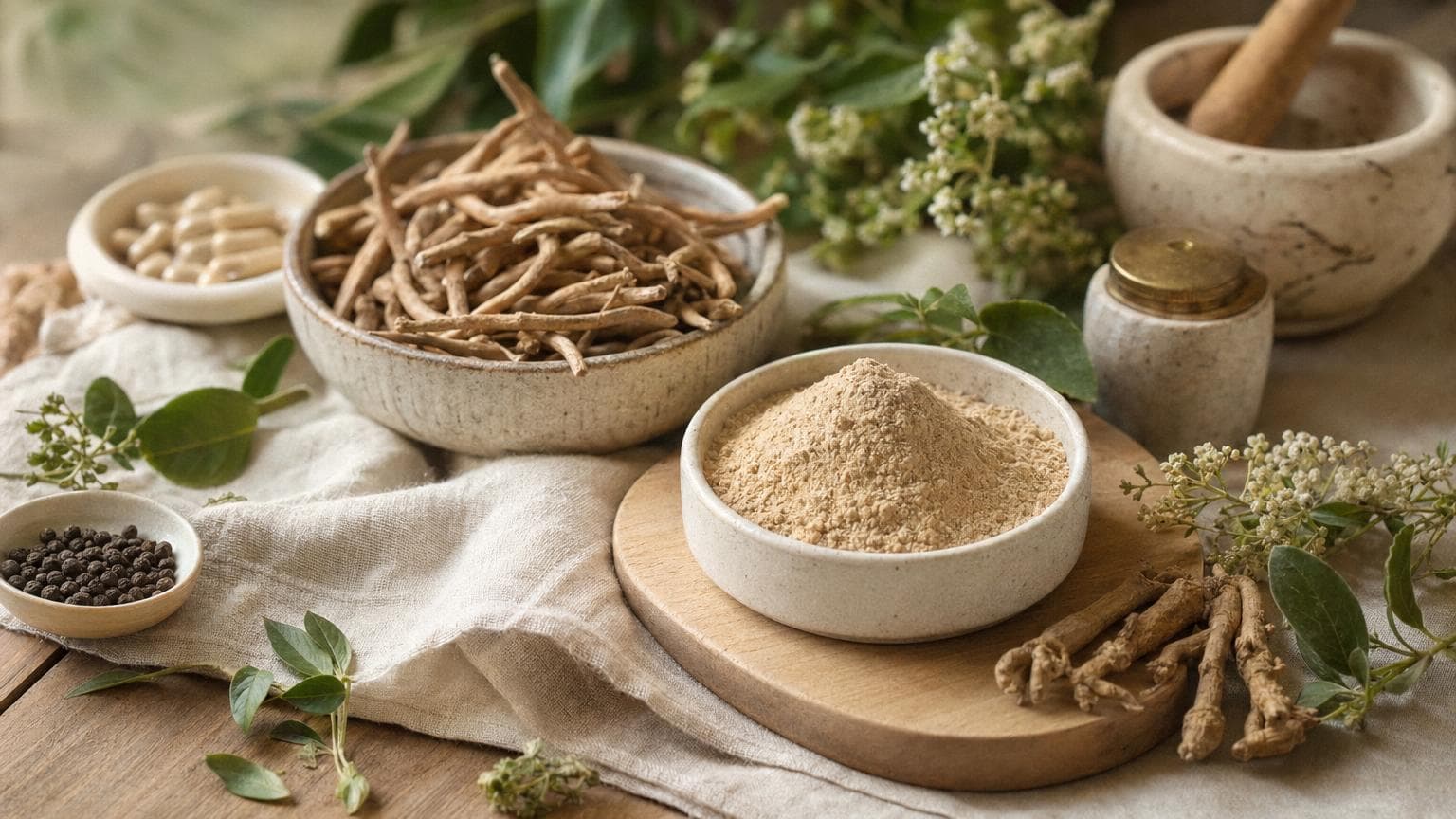
Ashwagandha (Withania somnifera) is one of the most important herbs in Ayurveda, the traditional Indian system of medicine. Classified as an adaptogen, it has been used for over 3,000 years to help the body manage stress, boost energy, and improve concentration.
What Does Ashwagandha Do?
As an adaptogen, ashwagandha helps your body adapt to physical and mental stress. It works by modulating cortisol — the stress hormone — and supporting the hypothalamic-pituitary-adrenal (HPA) axis, which regulates your stress response.
Clinically Studied Benefits
- Stress and anxiety reduction: A 2019 study in Medicine found that ashwagandha supplementation significantly reduced stress and anxiety scores compared to placebo.
- Improved sleep: Research shows ashwagandha can improve sleep quality, particularly in those with insomnia.
- Physical performance: Studies on athletes have shown improvements in VO2 max, muscle strength, and recovery time.
- Cognitive function: Ashwagandha may support memory, attention, and information processing speed.
- Hormonal balance: It has been shown to support healthy testosterone levels in men and thyroid function in those with subclinical hypothyroidism.
KSM-66 vs. Regular Ashwagandha
KSM-66 is a branded, full-spectrum ashwagandha root extract produced using a unique process that preserves the natural balance of compounds. It is the most clinically studied ashwagandha extract, with over 22 gold-standard clinical trials. When choosing an ashwagandha supplement, look for KSM-66 for the best evidence-backed results.
Recommended Dosage
Most studies use doses between 300-600 mg per day of a standardised extract. Effects are typically noticed within 2-4 weeks of consistent use. Ashwagandha is generally well-tolerated, but it's best to start with a lower dose and work upward.
Who Should Avoid It?
Pregnant or breastfeeding women should avoid ashwagandha. If you take thyroid medication, blood pressure medication, or immunosuppressants, consult your healthcare professional before starting supplementation.
How to Choose a Quality Ashwagandha Supplement
Not all ashwagandha supplements are created equal, and the differences can significantly affect results. Here are the key factors to consider when shopping:
- Look for KSM-66 or Sensoril: These are the two most clinically studied ashwagandha extracts. KSM-66 is a full-spectrum root extract with over 22 clinical trials. Sensoril is made from both root and leaf and tends to be more calming. Both are standardised to a minimum withanolide content.
- Check the withanolide percentage: Withanolides are the active compounds in ashwagandha. A quality extract should contain at least 5% withanolides. KSM-66 is standardised to 5%, while some generic extracts may be lower.
- Avoid proprietary blends: If a supplement lists ashwagandha as part of a "proprietary blend" without specifying the exact dose, you cannot be sure you are getting an effective amount.
- GMP certification: Look for supplements manufactured in GMP-certified facilities. UK-made products must adhere to strict EU supplement regulations.
- Added ingredients: Some formulas combine ashwagandha with complementary ingredients like black pepper extract (for absorption), magnesium (for relaxation), or B vitamins (for energy support).
Who Should Consider Ashwagandha?
Ashwagandha supplementation may be particularly beneficial for:
- Professionals dealing with chronic work-related stress and mental fatigue
- Athletes and gym-goers looking to improve recovery, strength, and endurance
- Anyone struggling with sleep quality, especially stress-related insomnia
- Men interested in supporting healthy testosterone levels naturally
- Students during exam periods who need sustained focus without stimulant side effects
- Adults over 40 seeking cognitive support and neuroprotection
As with any supplement, consult your healthcare professional before starting ashwagandha if you are pregnant, breastfeeding, taking thyroid medication, blood pressure medication, or immunosuppressants.
Daily Tips for Getting the Most from Ashwagandha
To maximise the benefits of ashwagandha supplementation, consistency is key. Take it at the same time each day — most people prefer morning for energy and focus, or evening for sleep and relaxation. Ashwagandha is fat-soluble, so taking it with a meal that contains healthy fats improves absorption. Most clinical studies showing significant benefits used supplementation periods of 8–12 weeks, so give it time to build up in your system. If you experience mild stomach discomfort, switch to taking it with food rather than on an empty stomach. Some people find that cycling ashwagandha (8 weeks on, 2 weeks off) helps maintain its effectiveness over the long term.
Recommended for You

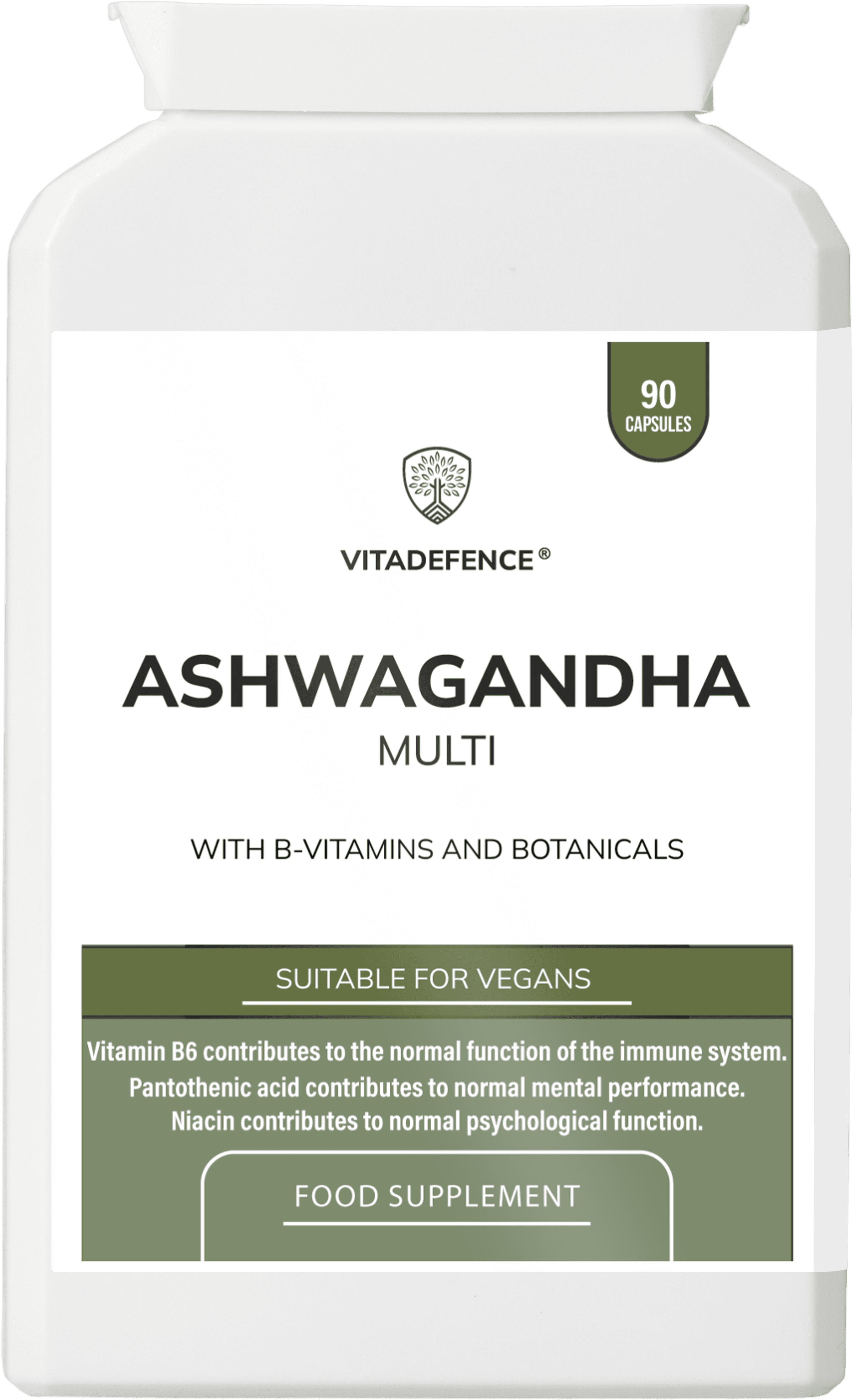
Ashwagandha Capsules | With,Ginseng, Cordyceps & Vitamins – 90 Capsules
£17.49
Shop NowThis article is for informational purposes only and does not constitute medical advice. Vitadefence supplements are food supplements, not medicines. They should not be used as a substitute for a varied diet and a healthy lifestyle. Consult a healthcare professional if you are pregnant, breastfeeding, on medication, or have a medical condition.
Related products
More from the journal
Spirulina: The Original Superfood — Protein, B12, and Phycocyanin Antioxidant Power
9 min · Ingredients
Siberian Ginseng Benefits: Why This Adaptogen Is Different From Panax Ginseng
7 min · Ingredients