Why Morning Health Rituals Are the Quiet Key to Better Health
You don't need a 5am cold plunge. Five small morning rituals genuinely move the needle on how you feel by 11am — and they take 10 minutes total.
By Vitadefence Team

Morning routine content has gone from useful to absurd. The 4:30am cold plunge, the 90-minute meditation, the green smoothie of seven adaptogens. You're already exhausted and the routine is making you more exhausted. Here's the version that actually works for normal humans with jobs, kids, and a need to be at the desk by nine.
Why mornings matter (and why you don't need to be obsessive about them)
The first 30–60 minutes after waking shape your hormonal and circadian state for the rest of the day. Light exposure cues cortisol, hydration restarts cellular function, movement signals "we're awake now" to the nervous system, and breakfast informs blood sugar trajectory. Get those four things half-right and you've already won the morning. The point is not to become someone whose personality is their routine — it's to make the next eight hours feel less of a slog.
The five rituals that matter
1. Light in the eyes (within 30 minutes of waking)
Step outside, even briefly, even on a cloudy UK morning. Natural light at the right wavelength signals your suprachiasmatic nucleus (the brain's master clock) to anchor the day's circadian rhythm. Cloudy outdoor light is still 10–100x brighter than bright indoor lighting. 5–10 minutes is enough. Walking the dog, taking a coffee outside, or just standing at an open door counts.
The benefit isn't immediate energy — it's better sleep that night. The morning light "advance" is one of the most reliable ways to fix poor sleep without medication.
2. Water before caffeine
You woke up mildly dehydrated after 7+ hours without water. Drinking 500ml on waking does more for early-morning fog than a coffee does. Add a pinch of salt or a squeeze of lemon if you've been training hard or sweating overnight. The coffee is fine afterward — but it's a stimulant on top of a baseline, not the baseline itself.
3. Movement (anything counts)
5–10 minutes of any movement: a walk, mobility work, light stretching, a few sets of bodyweight squats and pushups. The point isn't fitness — it's signalling. Movement raises core body temperature and shifts you out of sleep-residual physiology. People who do this consistently report meaningfully better afternoon energy, even when the morning movement is genuinely token.
4. Protein-led breakfast
A breakfast where 25–35% of calories come from protein produces flatter blood sugar curves and longer satiety than carbohydrate-only options. Eggs, Greek yoghurt, cottage cheese, smoked salmon, protein-fortified porridge, or a smoothie with protein powder all work. The cereal-and-toast pattern many of us grew up with isn't wrong — it just often spikes blood sugar in a way that creates a 10am crash.
5. Supplements that fit the routine, not control it
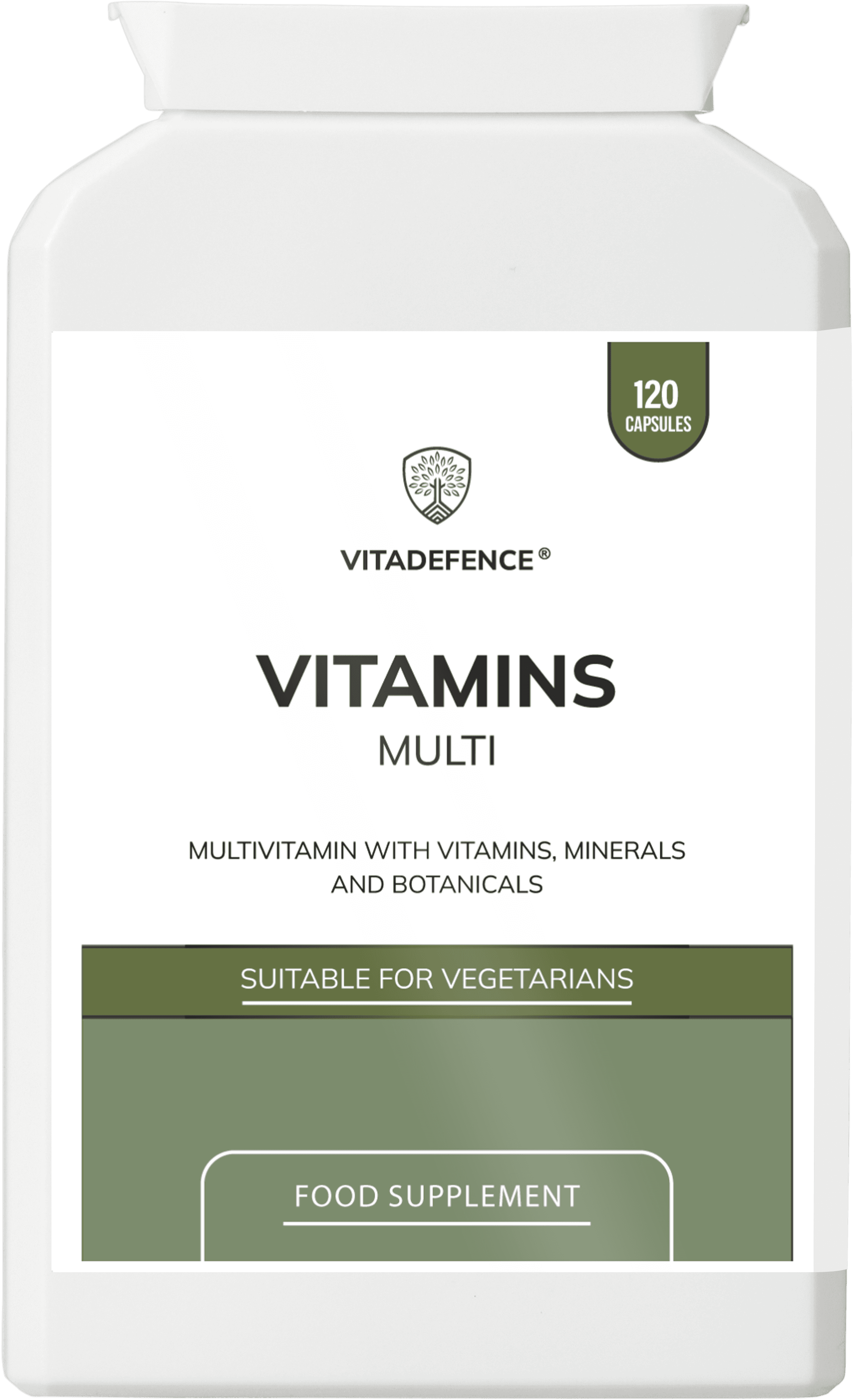
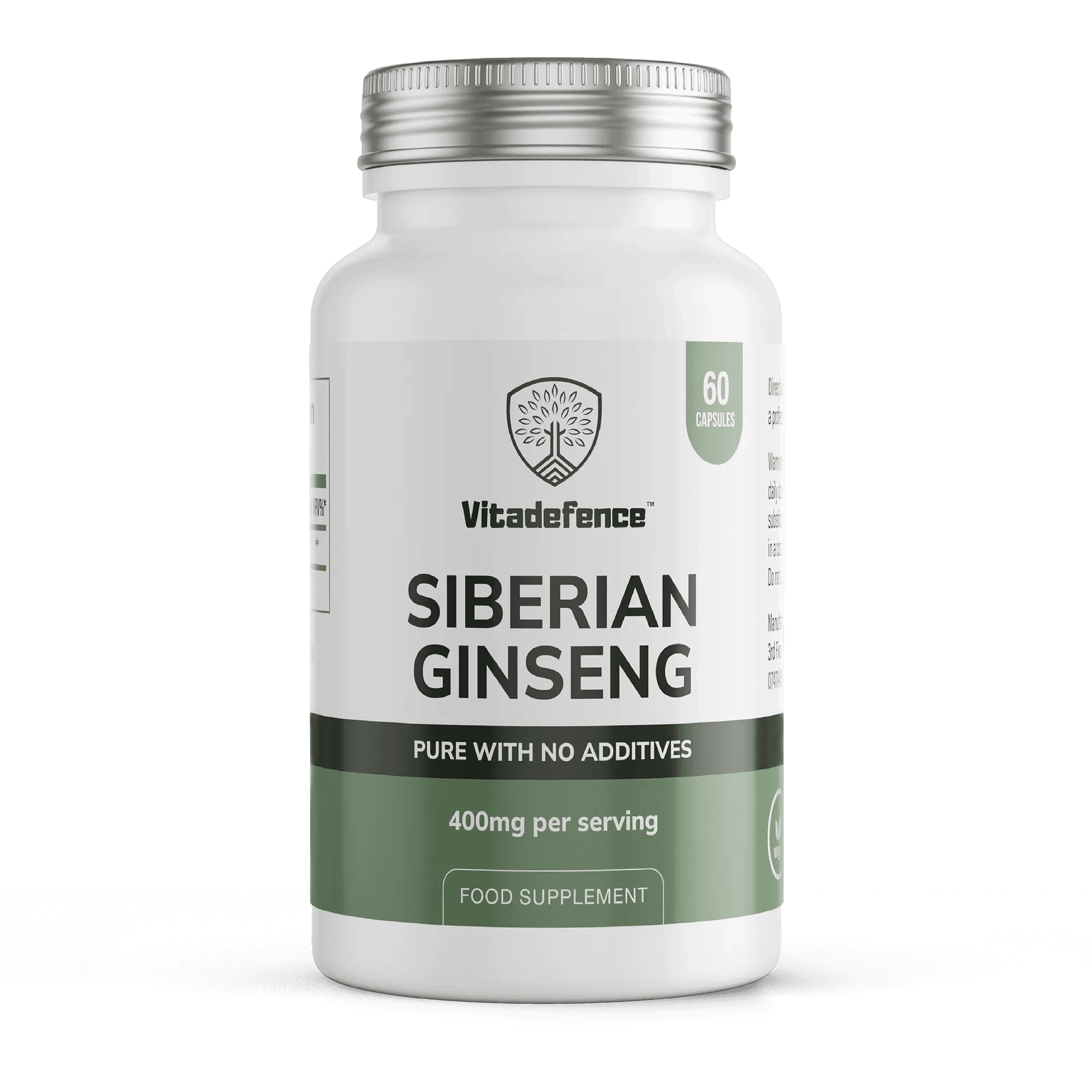
Take your daily stack with breakfast. Multivitamin, omega-3, any morning adaptogen — they all absorb better with food. Our Vitamins Multi + an adaptogen like Siberian Ginseng is a sensible base. The aim is consistency, not optimisation.
What the over-optimised routines miss
Cold plunges, breath work, journaling, meditation — all genuinely useful, individually. But stacking ten things into a morning becomes a job, and most people quietly drop the routine within a few weeks. The version that lasts is short, repeatable, and forgiving on bad mornings.
What about magnesium for the night before?
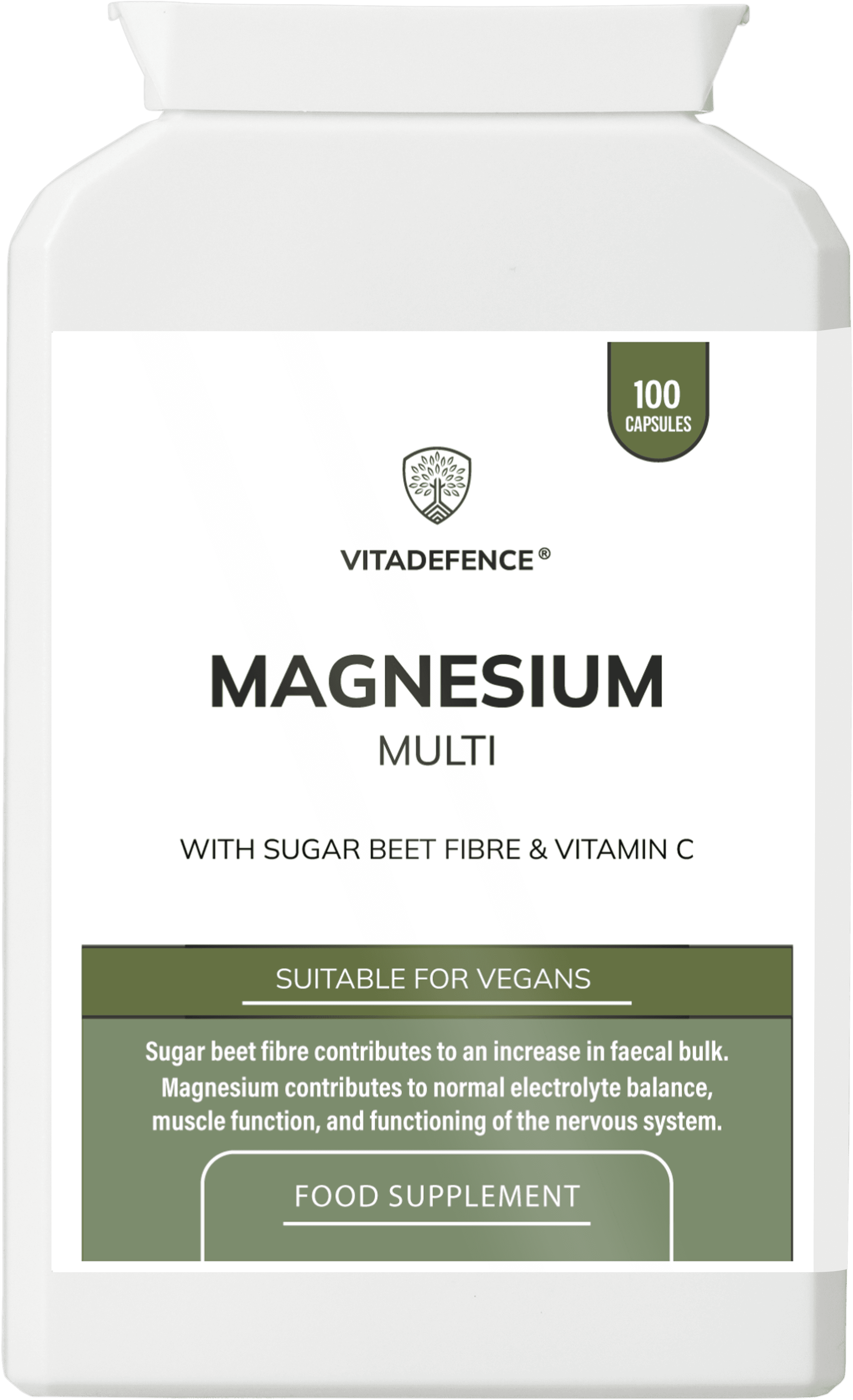
Morning quality depends on the night before. Adequate magnesium intake supports sleep onset and quality (Abbasi et al., 2012). A bedtime capsule of magnesium glycinate or citrate is one of the simplest evening additions to support next-morning function. Our Magnesium Multi is designed for this evening role.
What about coffee?
Have it. After water and after the first 60–90 minutes of being up. The "delayed coffee" trend (waiting 90 minutes after waking) has some plausible logic — early cortisol does much of the alerting work itself, and frontloading caffeine on top can blunt cortisol response over time. Whether this matters in practice is debated, but it's a sensible default.
The 10-minute version
- Wake up.
- Drink 500ml of water. 1 minute.
- Step outside for 5 minutes (light, walk, breeze, dog, kettle in the garden — anything outdoors).
- Move for 5 minutes (whatever shape that takes).
- Eat a protein-led breakfast with your supplements.
- Coffee, if you want it.
That's the whole thing. 10 minutes of attention at the start of the day, then go live your life.
Why this beats elaborate routines
Consistency. The 10-minute version survives bad sleep, busy weeks, sick kids, and travel. The 90-minute version doesn't. Health rituals work over months and years, not over individual mornings — so the ritual that survives all your bad mornings is the one that works for you.
The takeaway
Morning matters because it sets the chemistry of the next eight hours. But "matters" doesn't mean "must take an hour". Light, water, movement, protein, supplements — five small things, ten minutes. Do that consistently for two months and you'll have a baseline you can build on.
Recommended for You
Vitamins Multi — daily morning foundation, single capsule.This article is for informational purposes only and does not constitute medical advice. Vitadefence supplements are food supplements, not medicines. They should not be used as a substitute for a varied diet and a healthy lifestyle. Consult a healthcare professional if you are pregnant, breastfeeding, on medication, or have a medical condition.
Related products
More from the journal

Spirulina: The Original Superfood — Protein, B12, and Phycocyanin Antioxidant Power
9 min · Ingredients
Siberian Ginseng Benefits: Why This Adaptogen Is Different From Panax Ginseng
7 min · Ingredients