
Why Morning Rituals Could Be the Key to Better Health
Morning rituals work because of consistency, not complexity. Four targets — light, hydration, movement, supplements — and the science behind why they matter.
By Vitadefence Team

"Morning rituals" became a wellness industry. People sell 90-minute routines like they're a moral position. The reality is much more boring and much more useful: morning rituals work because of consistency, not because they're elaborate. Here's the evidence-grounded case for keeping yours small.
Why mornings carry disproportionate weight
The first hour of the day sets four key biological signals:
- Circadian anchor (light exposure)
- Hydration restart (after 6–9 hours without water)
- Cortisol awakening response (the natural rise that does much of your morning alerting)
- Glycaemic baseline (set by what you eat, when, and how)
Each of these influences how you feel by 11am, how cleanly you transition into deep sleep that night, and how steadily you handle stress through the day. None of them require a complicated routine.
Target 1 — Light, in your eyes, soon after waking
Morning light exposure is the single most studied circadian intervention. The science (Czeisler et al., extensive sleep research literature; Hattar et al., 2003 on melanopsin photoreceptors) consistently shows that 5–10 minutes of natural daylight within the first hour of waking advances and stabilises sleep timing, improves morning alertness, and supports better night-time melatonin release.
"Natural daylight" includes cloudy UK mornings — outdoor light is dramatically brighter than even bright indoor lighting. The action is simple: step outside or sit by a window with a cup of tea for the first 10 minutes of being up.
Target 2 — Water, before stimulants
You wake up about 1–2% dehydrated. That's enough to dampen cognitive performance and contribute to morning headaches. 500ml of water on waking — before coffee — is the cheapest morning intervention with the highest payoff. If you've been training hard or sweating overnight, a pinch of salt or an electrolyte sachet helps.
Target 3 — Brief movement
5–10 minutes of any movement raises core body temperature and shifts you out of sleep-residual physiology. The form matters less than the consistency. A walk, light mobility work, a few bodyweight squats, taking the stairs, dancing in the kitchen while making breakfast — anything counts.
Research on morning movement (e.g. Henson et al., 2022) shows even short bouts produce measurable improvements in mood, alertness, and afternoon glycaemic control.
Target 4 — Supplements with breakfast
Most morning supplements (multivitamin, omega-3, adaptogens) absorb better with food. Building this into your breakfast routine makes consistency easy. The aim isn't optimisation; it's reliability — a small daily action that compounds over months.
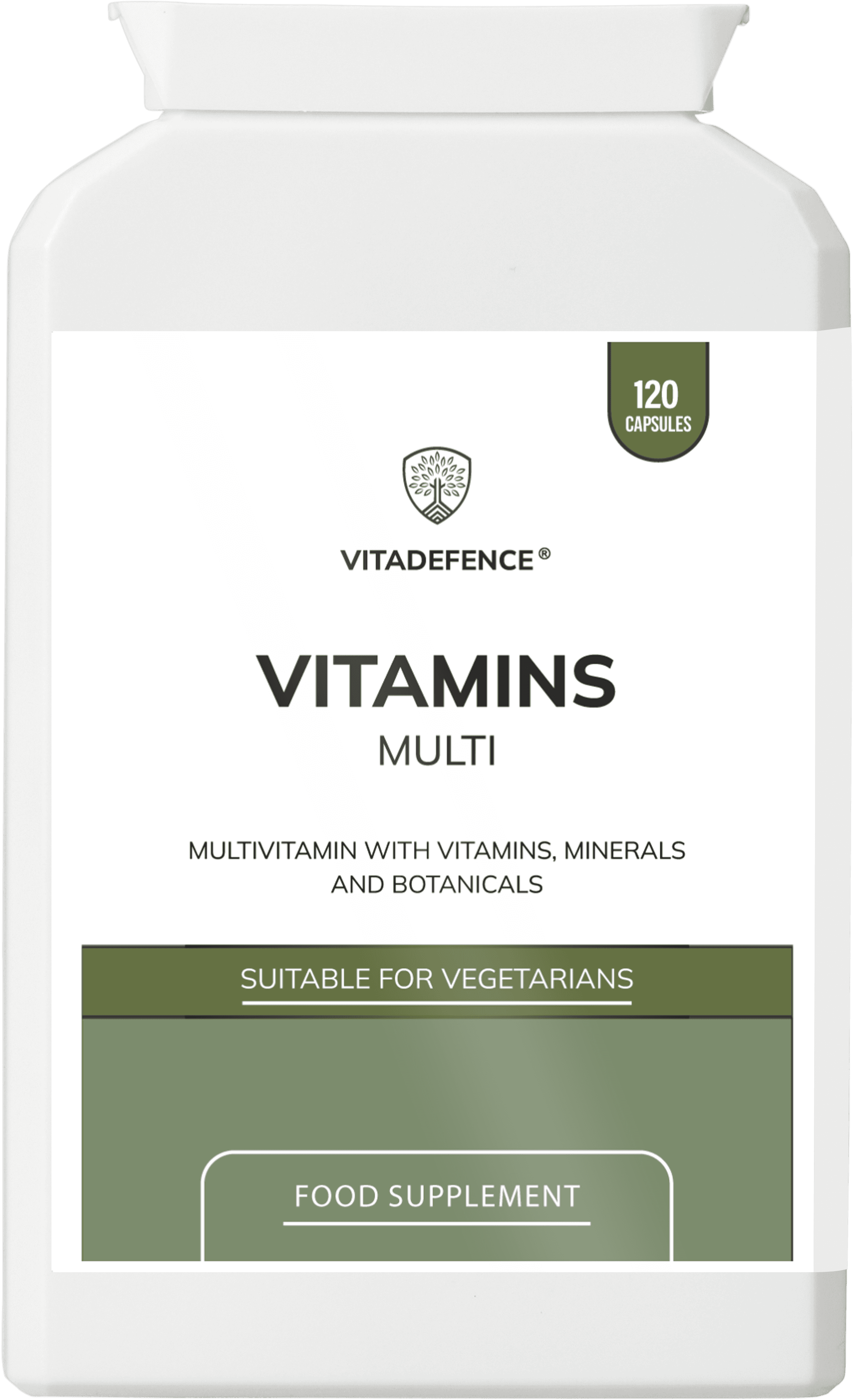
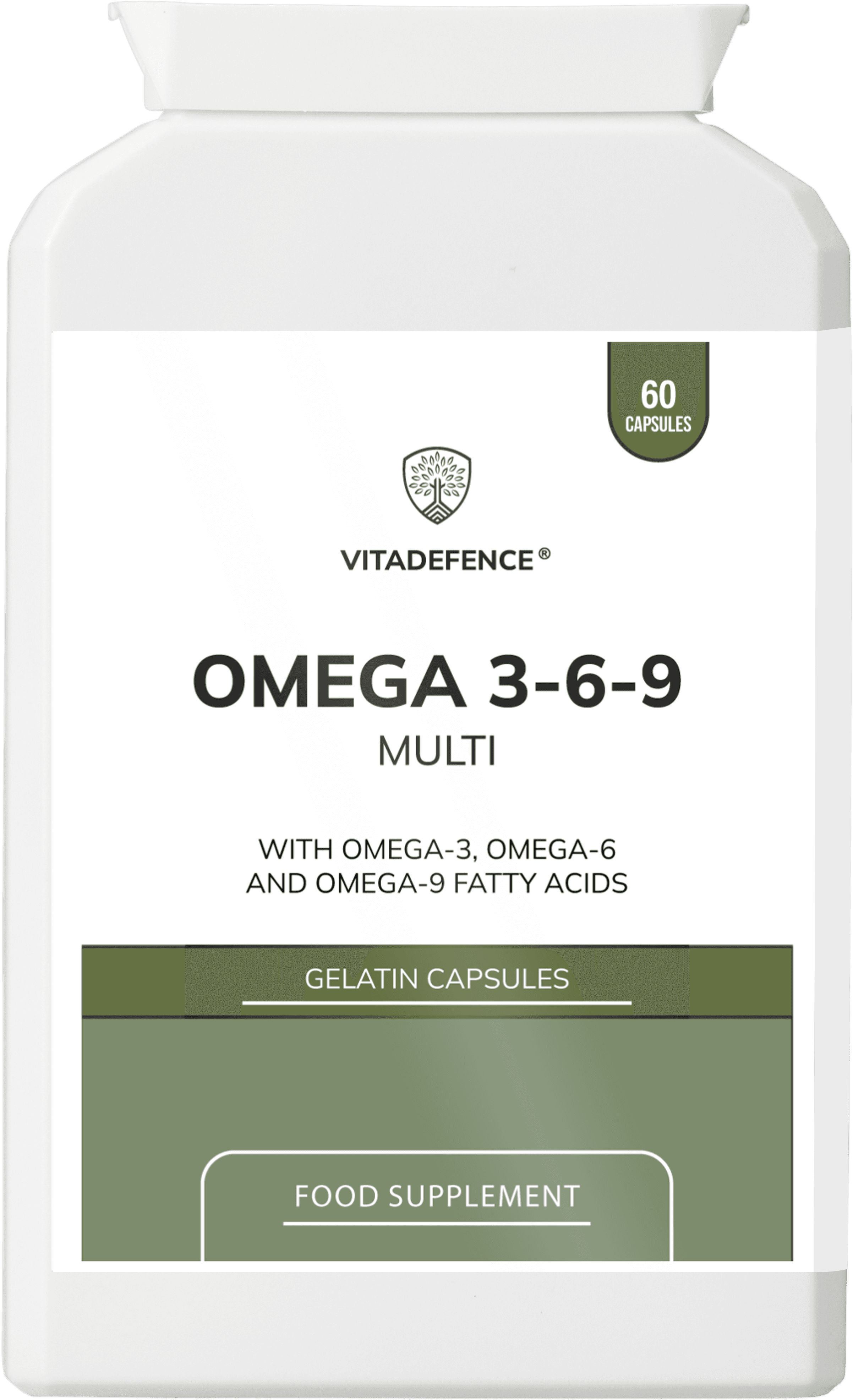
Our Vitamins Multi and Omega 3-6-9 Multi are designed for exactly this morning slot.
The night-before half of the equation
Morning quality is largely set the night before. You can't out-ritual a 1am bedtime. The two highest-leverage evening interventions:
- Consistent bedtime within a 30-minute window, especially on weekdays.
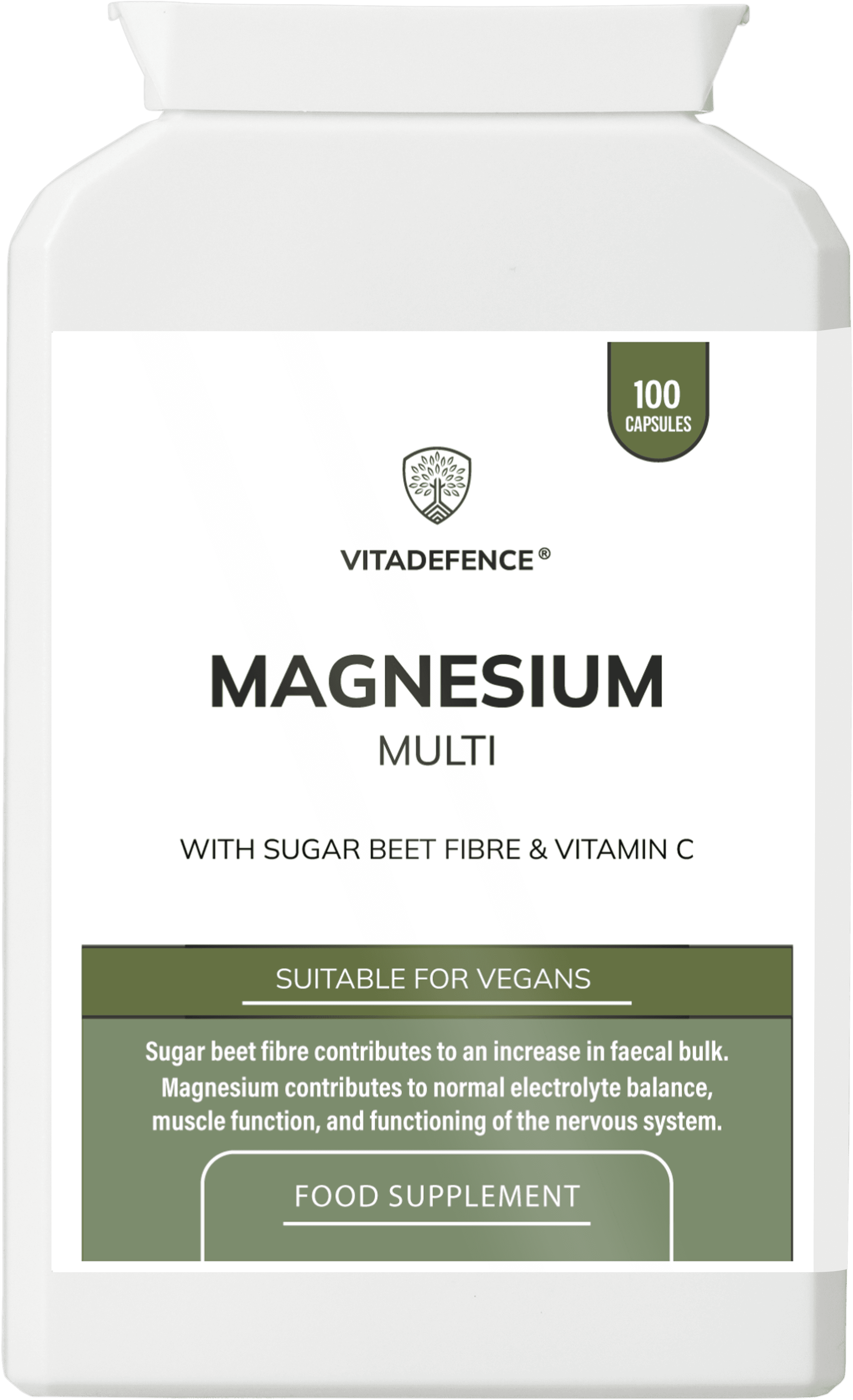
- Magnesium for sleep quality. The Magnesium Multi is paired with vitamin C and beetroot for evening use.
Sleep timing consistency does more for energy than any morning routine.
What "ritual" actually means
A ritual isn't a checklist. It's a small set of repeated actions that signal "this is the rhythm of my day". The signal value is in the consistency. A 10-minute morning routine repeated 365 days a year is enormously more impactful than a 90-minute routine repeated 30 times before life intervenes.
What the elaborate routines get wrong
Three problems with the influencer-grade morning routine:
- Survivorship bias. The people sharing routines are usually those whose lives accommodate them — flexible jobs, no caring responsibilities, often financial freedom. The routine fits their life; pretending it works for everyone is misleading.
- Diminishing returns. The first 10 minutes of any health intervention captures most of the benefit. The next 80 minutes captures progressively less.
- Sustainability collapse. Most elaborate routines fall apart within 4–6 weeks. The simple version persists. Compound returns favour the simple version every time.
The minimum viable morning routine
- Light: 10 minutes outside or by a window.
- Water: 500ml.
- Movement: 5 minutes of anything.
- Breakfast with protein + your supplements.
That's it. Coffee, meditation, journaling, cold exposure — all optional, none required. Add what genuinely helps you. Drop what feels like an obligation.
How to know if it's working
Three honest markers, tracked over 4–8 weeks:
- How rested you feel on waking.
- Your 3pm energy (the typical post-lunch slump).
- How easily you fall asleep at night.
If all three improve, the routine is paying for itself. If they don't, you might need to look earlier — at sleep timing, total sleep duration, or stress load — rather than adding more morning items.
The takeaway
Morning rituals work. Not because they're elaborate, but because they're consistent. Light, water, movement, protein, supplements — four targets, ten minutes. The version that survives your worst week is the version that genuinely changes your health. Skip the marketing, build the boring version, and let it compound.
Recommended for You
Vitamins Multi — your daily morning supplement foundation.This article is for informational purposes only and does not constitute medical advice. Vitadefence supplements are food supplements, not medicines. They should not be used as a substitute for a varied diet and a healthy lifestyle. Consult a healthcare professional if you are pregnant, breastfeeding, on medication, or have a medical condition.
Related products
More from the journal

Spirulina: The Original Superfood — Protein, B12, and Phycocyanin Antioxidant Power
9 min · Ingredients
Siberian Ginseng Benefits: Why This Adaptogen Is Different From Panax Ginseng
7 min · Ingredients